Quranic Answer
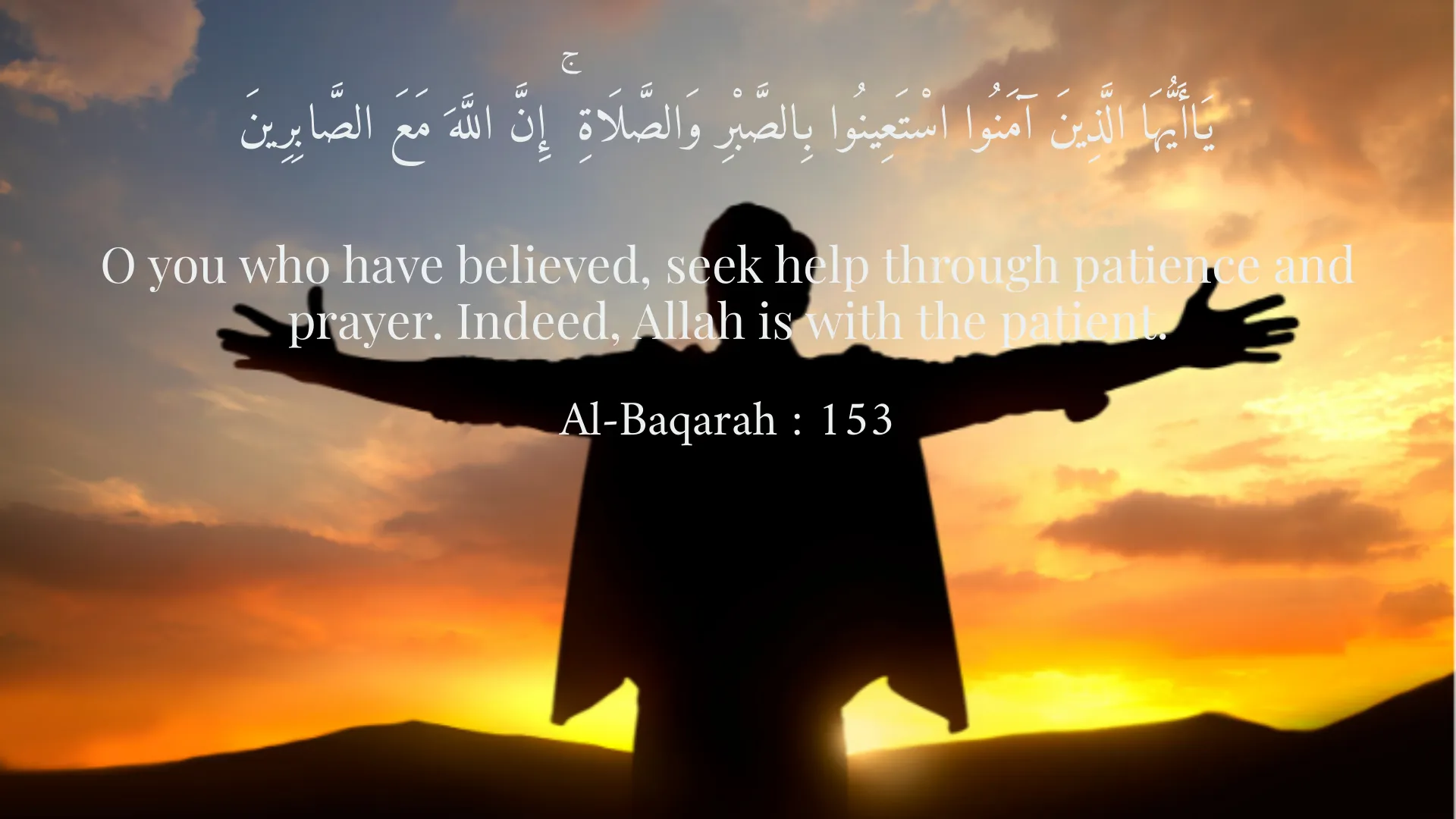
In the Holy Quran, patience (Sabr) is emphasized as a cornerstone of a believer’s character, serving as a guiding light in the journey of life. The concept of patience in the Quran is multifaceted, encompassing resilience, endurance, and unwavering faith in the face of adversity. It is no coincidence that patience is frequently referenced throughout the Quran, as it is an essential quality for every believer seeking to navigate the complexities of existence. This article delves deep into the significance of patience as portrayed in the Quran, exploring its implications for believers and how it helps them endure life’s challenges while maintaining their faith. ### The Call to Patience In Surah Al-Baqarah, verse 153, Allah invites the believers to seek His assistance through patience and prayer. This verse highlights not only the importance of patience but also the interconnectedness of prayer and steadfastness. It reminds believers that in times of hardship, turning to Allah in prayer and demonstrating patience is crucial. The phrase ‘Indeed, Allah is with the patient’ serves as a powerful reminder that divine support and guidance are guaranteed for those who remain steadfast in their trials. This assurance underscores the importance of maintaining a strong bond with Allah, especially when facing difficulties, as it fosters inner strength and resilience. The call to patience becomes even more pronounced in Surah Al-Imran, verse 186, where Allah warns believers that they will undoubtedly confront hardships and trials throughout their lives. These challenges are not merely random occurrences; instead, they serve as a means to assess one’s faith and commitment to Islam. In this context, patience signifies not just endurance but also a proactive approach—an active choice to face uncomfortable situations with a heart filled with faith rather than despair. By recognizing that trials are a part of life, believers can cultivate a mindset that embraces these experiences as opportunities for spiritual growth and self-discovery. ### Patience as an Indicator of Faith The Quran often underscores the significance of patience as an indicator of a believer’s inner strength, faith, and commitment to Allah. In various instances, the stories of the Prophets illustrate the profound test of patience they endured in the face of adversity. For example, Prophet Ayyub (Job) is renowned for his unwavering patience during his trials, ultimately demonstrating that true faith is characterized by steadfastness in adversity. Through such narratives, the Quran teaches that patience in the face of hardship is a testament to one's faith. Moreover, patience is often linked with trust in Allah’s plan and timing. It serves as a reminder that believers may not always understand the wisdom behind their trials, but having faith that Allah knows what is best allows them to endure with hope. Surah Maryam, verse 45, emphasizes that patience from Allah will be rewarded with great compensation. This promise instills a sense of hope in believers, encouraging them to remain steadfast and patient, even when faced with seemingly insurmountable challenges. Therefore, patience becomes not just an exercise of will but a deeply spiritual act of surrender to Allah’s divine wisdom. ### The Psychological Benefits of Patience Patience as encouraged by the Quran has extensive psychological implications. In contemporary society, where instant gratification is the norm, cultivating patience can lead to a deeper sense of fulfillment and peace. Numerous studies suggest that individuals who practice patience tend to report higher levels of happiness and life satisfaction. Moreover, patience cultivates emotional resilience, allowing individuals to cope better with stress and frustration. The teachings of the Quran encourage believers to develop patience as a valuable attribute, ultimately leading to improved mental health and well-being. By drawing on the lessons of the Quran, believing individuals can transform their perspectives regarding challenges. Instead of viewing obstacles as burdens, they can see them as opportunities for growth and learning. This paradigm shift fosters a more positive outlook on life, further solidifying the importance of patience as a central pillar in a believer’s character. ### Practical Application of Patience in Daily Life The teachings of patience are not limited to theoretical aspects; they have practical implications in the daily lives of believers. Practicing patience can manifest in various forms, from dealing with personal issues and conflicts to coping with the broader challenges of modern life. Here are some ways that believers can apply the virtue of patience in their everyday lives: 1. Mindful Awareness: Engaging in practices such as mindfulness and self-reflection can enhance one’s ability to remain patient. By recognizing their thoughts and emotions without immediate reaction, individuals can cultivate a more tranquil mindset. 2. Seeking Support Through Prayer: Regularly turning to Allah in prayer can reinforce one’s commitment to patience and provide solace during turbulent times. The continuous renewal of faith through prayer creates a strong foundation for patience. 3. Building a Support System: Surrounding oneself with like-minded individuals who share similar values can provide the encouragement needed to remain patient. Supportive communities can nurture and reinforce a patient mindset, allowing believers to learn from each other’s experiences. 4. Learning from Trials: Embracing challenges as opportunities for growth can significantly alter one’s perspective. Keeping a journal or reflecting on past experiences can help believers recognize their development through patience and resilience. 5. Developing Empathy: Patience also extends to one’s interactions with others. Practicing empathy and understanding in relationships leads to greater patience with loved ones, ultimately fostering harmony and connection. ### Conclusion In conclusion, the significance of patience in the Holy Quran cannot be overstated. It is an essential attribute for believers seeking to navigate life's trials with strength and grace. Patience is not merely about enduring challenges; it is a profound testament to one’s faith in Allah, acting as a spiritual anchor during turbulent times. With divine support promised to those who embody patience, believers are encouraged to embrace challenges with hope and resilience. As one integrates the teachings of patience into their daily life, they not only align themselves with Quranic principles but also contribute to their overall well-being and personal growth. The Quranic portrayal of patience serves as a timeless reminder that in every trial lies an opportunity for spiritual elevation, and through patience, believers can discover the potential for profound peace and fulfillment.
Related Verses
يَاأَيُّهَا الَّذِينَ آمَنُوا اسْتَعِينُوا بِالصَّبْرِ وَالصَّلَاةِ ۚ إِنَّ اللَّهَ مَعَ الصَّابِرِينَ
O you who have believed, seek help through patience and prayer. Indeed, Allah is with the patient.
Al-Baqarah : 153
لَتُبْلَوُنَّ فِي أَمْوَالِكُمْ وَأَنفُسِكُمْ ۖ وَلاَ تَسْمَعُنَّ مِنَ الَّذِينَ أُوتُوا الْكِتَابَ مِن قَبْلِكُمْ وَمِنَ الَّذِينَ أَشْرَكُوا أَذًى كَثِيرًا ۖ وَإِن تَصْبِرُوا وَتَتَّقُوا فَإِنَّ ذَٰلِكَ مِنْ عَزْمِ الْأُمُورِ
You will surely be tested in your properties and your selves, and you will surely hear from those who were given the Scripture before you and from those who associate others with Allah much abuse. But if you are patient and fear Allah - indeed, it is that, of the matters [requiring] resolve.
Al-Imran : 186
وَاصْبِرْ عَلَى مَا يَقُولُونَ وَاهْجُرْهُمْ هَجْرًا جَمِيلًا
And be patient over what they say and avoid them with gracious avoidance.
Maryam : 45
Short Story
One day, a man named Hassan decided to embrace patience in a world full of challenges. He faced numerous problems, but he always remembered the Quran verses that emphasize patience. Whenever he felt despair, he would turn to a specific verse and find renewed strength. He learned that patience in difficult situations leads to victory and satisfaction, and eventually, he was able to triumph over all tests.