Quranic Answer
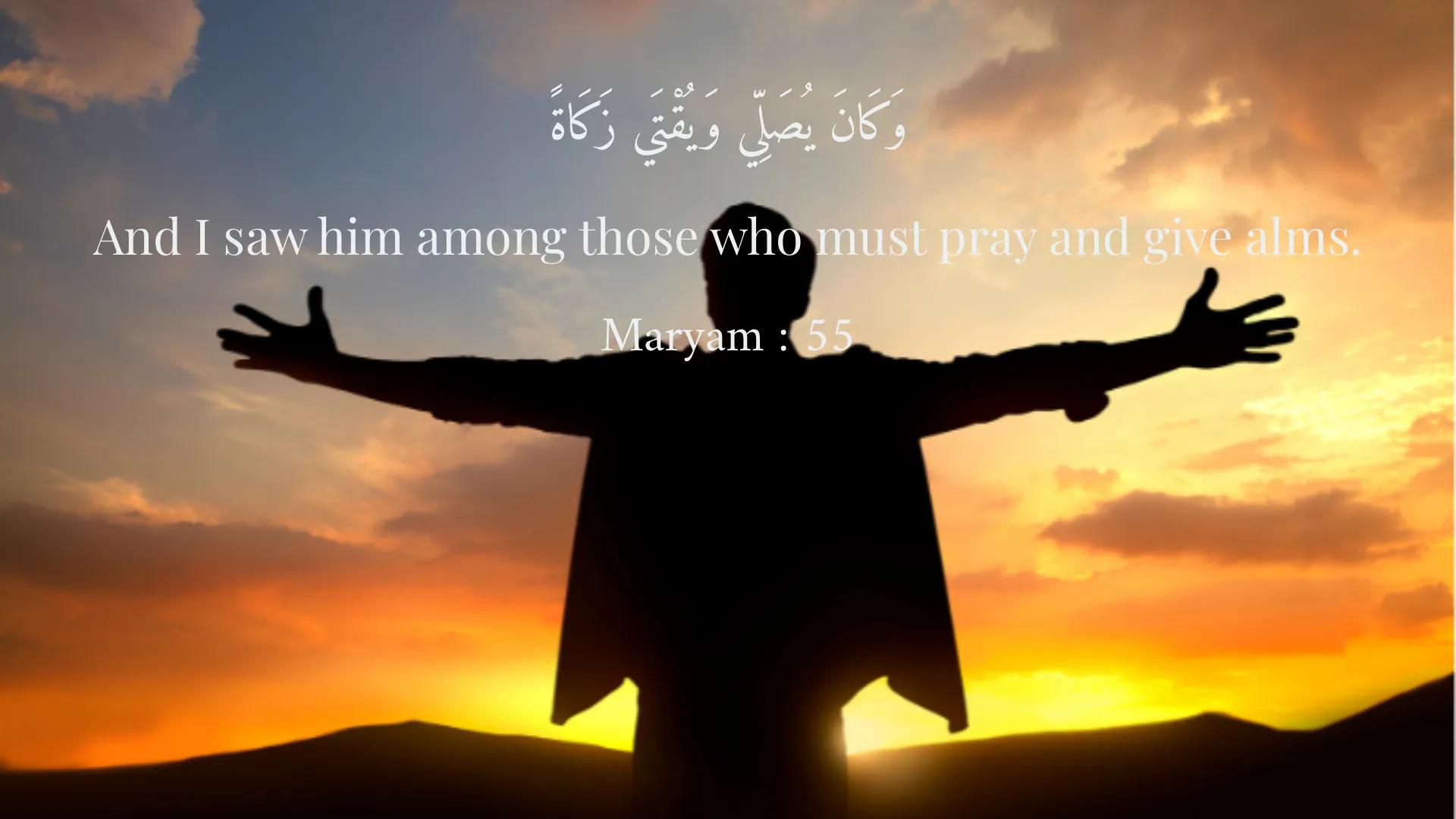
Praying on time is recognized as one of the most important religious obligations in Islam. For Muslims, prayer, known as Salah, is not just a ritual; it is a profound act of worship that forms the bedrock of their spiritual lives. The Holy Quran emphasizes the significance of prayer in several verses, asserting its necessity and importance in the life of every believer. In Surah Maryam, verse 55, it states: "And I saw him among those who must pray and give alms." This line reflects a fundamental principle in Islam: every believer is urged to maintain their prayers and fulfill their obligation towards God. Such emphasis on prayer integrates deeply into the Muslim's daily routine and spiritual framework, making punctuality in prayer a critical obligation. In another crucial verse found in Surah Al-Baqarah, verse 238, it reads, "Maintain with care the prayers and the middle prayer." This verse provides explicit instruction on the mindful observance and safeguarding of prayers, underscoring the significance of performance and timely execution. By establishing prayer as a priority in a believer's life, the Quran not only outlines a framework for spiritual connection but also promotes a lifestyle centered on discipline and responsibility. The regularity of prayer is intended to punctuate the day, creating touch points for mindfulness, reflection, and communion with the divine. The act of performing prayer on time serves as a direct and unmediated connection with God, fostering an intimate spiritual experience. It is during these moments of prayer that individuals step back from their busy lives, facilitating a divine dialogue that renews their faith and redirects their purpose. Each act of Salah serves as an expression of obedience to Allah, a reminder of His omnipresence, and a method for Muslims to distinguish themselves from worldly distractions. In a fast-paced, noise-filled society, the commitment to timely prayer acts like an anchor, stabilizing the spirit and allowing individuals a moment of serenity amid chaos. Additionally, the spiritual benefits of performing prayers on time extend beyond mere obligation. Prayer honors the necessary structure that humans often crave, enabling individuals to experience mental peace. Scientific studies agree that regular meditation and mindfulness, akin to the meditative aspects of prayer, contribute to reduced stress and enhanced mental clarity. Engaging in Salah can create a reservoir of tranquility and emotional resilience, positively impacting one's overall mental health. These benefits are felt not just psychologically but also spiritually. When individuals pray punctually, they create a deliberate space to foster mindfulness and connect with the divine. It is a time for introspection, allowing for reflection on personal struggles, aspirations, and gratitude. This dedicated moment to focus on God’s presence encourages believers to appreciate the blessings surrounding them, illuminating a path forward even during life’s tumultuous seasons. Moreover, praying at designated times reinforces a sense of community and connection among believers. Whether in a personal setting or at the mosque, the collective act of praying together strengthens the bonds between community members. This practice fosters an environment that enhances collective worship and collective consciousness. It serves as a unifying force that helps to nurture a spirit of brotherhood and sisterhood in faith, where individuals share a transformative experience that transcends their differences. In essence, prayer has the potential to transform one's day-to-day experience into a meaningful spiritual journey. If undertaken with sincerity and punctuality, prayer equips individuals with the tools necessary to confront the challenges of modern life. Keeping up with five daily prayers necessitates discipline, organizing one's life around these sacred intervals strengthens time management skills, ultimately leading to a more fulfilling existence. Importantly, for many, praying on time transcends the mere act itself; it is a testament to faith and devotion. Adhering to the prescribed times of prayer could be perceived as a daily commitment to uphold one's covenant with God. When Muslims prioritize their prayers amidst life's myriad responsibilities, they cultivate a mindset that continually seeks divine favor and guidance. Ultimately, it is vital to remember that timely prayer is not merely about the physical act of prostration. Rather, it is about nurturing a deeper relationship with Allah, creating intentionality in our lives, and reminding ourselves of our ultimate purpose. When individuals commit to praying on time, they are engaging in a sacred discipline that nourishes the soul and fosters a deep sense of spiritual fulfillment. As such, practicing timely prayers should be encouraged and cherished within the Muslim community. It goes beyond tradition or cultural practice; it involves recognizing the inherent spiritual upliftment prayer serves as an avenue for personal growth and divine connection. In a world riddled with distractions, maintaining the significance of prayer and performing it punctually is a reminder of the essential spiritual principles that shape a Muslim's faith and existence, enhancing their lives and spirits multiple fold.
Related Verses
وَكَانَ يُصَلِّي وَيُقْتَي زَكَاةً
And I saw him among those who must pray and give alms.
Maryam : 55
حَافِظُوا عَلَى الصَّلَوَاتِ وَاَلصَّلَاةِ الْوَسَطَى
Maintain with care the prayers and the middle prayer.
Al-Baqarah : 238
Short Story
One day, Adel, who knew how important it was to pray on time, decided to always strive to perform his prayers at their earliest times. He would go to his local mosque and felt with each prayer that he was receiving more blessings and comfort in his life. He was happy with these changes and knew that this decision was a right one.