Quranic Answer
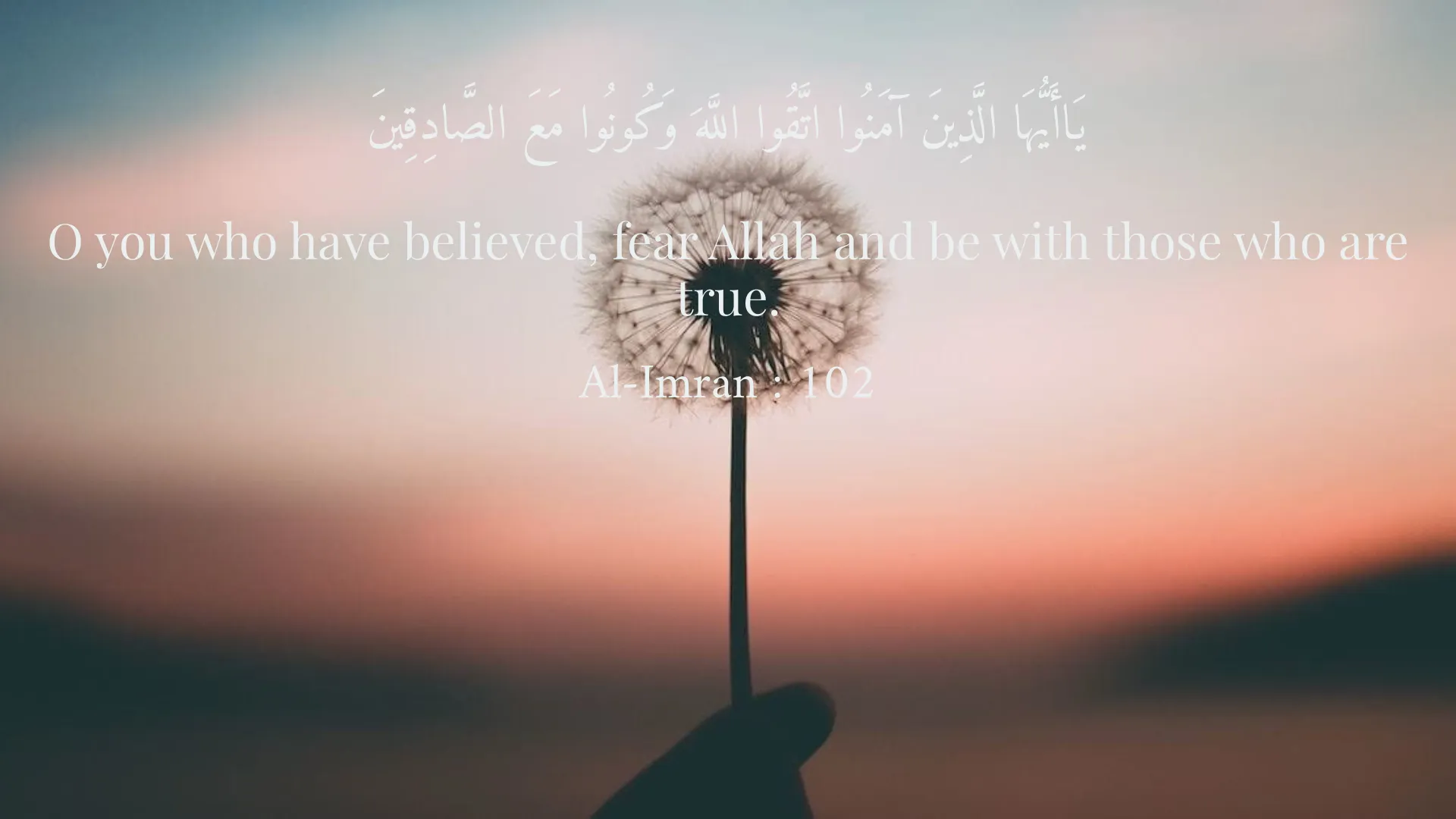
In the Holy Quran, piety is regarded as one of the highest degrees of faith and connection with God. The Quran provides various insights into what constitutes piety and emphasizes its significance in the life of a believer. One of the pivotal references to piety can be found in Surah Al-Imran, verse 102, which states, "O you who have believed, fear Allah and be with those who are true." This single verse encapsulates a profound message about the essence of piety and its role in shaping the moral framework of an individual. Piety in this context refers not merely to an outward expression of religiousity but involves a deep internalization of God’s commands and a genuine commitment to living a life aligned with those principles. The command to 'fear Allah' signifies a consciousness of God that permeates every action, urging believers to consider the divine implications of their choices. This call to be with 'those who are true' further reinforces the communal aspect of piety, suggesting that the company one keeps can strongly influence one's spiritual journey. Piety involves adhering to divine limits and refraining from sins. It is an understanding that ethical and moral conduct is paramount to one's spirituality. Each decision, be it personal or social, should be reflective of an adherence to proscribed behaviors and an embrace of virtues that bring one closer to God. This ongoing struggle for self-improvement and sincerity in action leads not only to an enhancement of faith but also to an intimate closeness to God. Worshipping God, when performed devoid of piety and with insincere intentions, can be viewed as a superficial or rejected act. In contrast, piety infuses worship with depth and meaning. It is the sincerity of one’s heart that determines the authenticity of worship rather than mere ritualistic practices. The Quran stresses that acts of worship should be accompanied by a heartfelt intention, devoid of duplicity and moral inadequacies. In essence, piety acts as a filter that determines the quality and acceptance of one's devotions. In Surah Al-Baqarah, verse 177, Allah provides another profound understanding of piety by stating, "Righteousness is not that you turn your faces toward the east or the west, but [true] righteousness is in one who believes in Allah, the Last Day, the Angels, the Scripture, and the Prophets, and gives his wealth, in spite of love for it, to relatives, orphans, the needy, the traveler, those who ask [for help], and for freeing slaves." This verse articulates that piety goes beyond the mere fulfillment of ritualistic duties; it delves into the realms of goodness and virtuous morality. True righteousness, as defined by this verse, encompasses a comprehensive set of beliefs and actions that stem from a deep-seated faith in God. It reassures believers that their faith should manifest in acts of kindness and charity towards others, underlining the significance of the community and social justice in Islam. The act of giving, especially to those in need and despite one’s own affections for wealth, is a paramount demonstration of piety. It reflects an understanding that material wealth is temporary, while servitude to God and the welfare of humanity is eternal. The implication here is clear: piety is not simply an individualistic pursuit of spiritual elevation but is intrinsically tied to communal responsibility and empathy. Every act of kindness can be seen as a reflection of one’s piety and devotion to God, validating the interconnectedness of faith and virtue. In this light, we can conclude that piety underscores the notion that one’s relationship with God is indeed intertwined with one’s relationship with others. In summary, piety encompasses a holistic understanding of faith that transcends simple acts of worship. It calls for a continual commitment to ethical living, community responsibility, and a deeper pursuit of genuineness in one’s intentions and actions. Piety serves as the cornerstone of Islam and allows believers to forge a stronger, more resilient connection with God. In a world that often prioritizes external appearances and interactions, piety reorients the believer’s attention toward the internal moral compass that guides true faith and action. As reflected in the Quranic verses, the pursuit of piety enhances one’s worship and ultimately qualifies as a transformative journey towards a meaningful and fulfilling life of servitude to God.
Related Verses
يَاأَيُّهَا الَّذِينَ آمَنُوا اتَّقُوا اللَّهَ وَكُونُوا مَعَ الصَّادِقِينَ
O you who have believed, fear Allah and be with those who are true.
Al-Imran : 102
لَيْسَ الْبِرَّ أَنْ تُوَلُّوا وَجُوهَكُمْ قِبَلَ الْمَشْرِقِ وَالْمَغْرِبِ وَلَكِنَّ الْبِرَّ مَنْ آمَنَ بِاللَّهِ وَالْيَوْمِ الْآخِرِ وَالْمَلَائِكَةِ وَالْكِتَابِ وَالْأَنْبِيَاءِ وَأَعْطَى مَالَهُ حُبَّا لِّذَوِي الْقُرْبَى وَالْيَتَامَى وَالْمَسَاكِينِ وَابْنِ السَّبِيلِ وَالسَّائِلِينَ وَفِي الرِّقَابِ
Righteousness is not that you turn your faces toward the east or the west, but [true] righteousness is in one who believes in Allah, the Last Day, the Angels, the Scripture, and the Prophets, and gives his wealth, in spite of love for it, to relatives, orphans, the needy, the traveler, those who ask [for help], and for freeing slaves.
Al-Baqarah : 177
Short Story
Once upon a time, there was a man named Hasan living in a small village. He would worship daily and pray to God. However, one day when he went to the market, he noticed that one of his neighbors was facing financial difficulties. Hasan decided to help him by giving him some of his money. After a while, Hasan realized that helping others and demonstrating piety in his life brought him greater peace and happiness. Since then, he chose to combine worship with serving others and fill his life with piety.