Quranic Answer
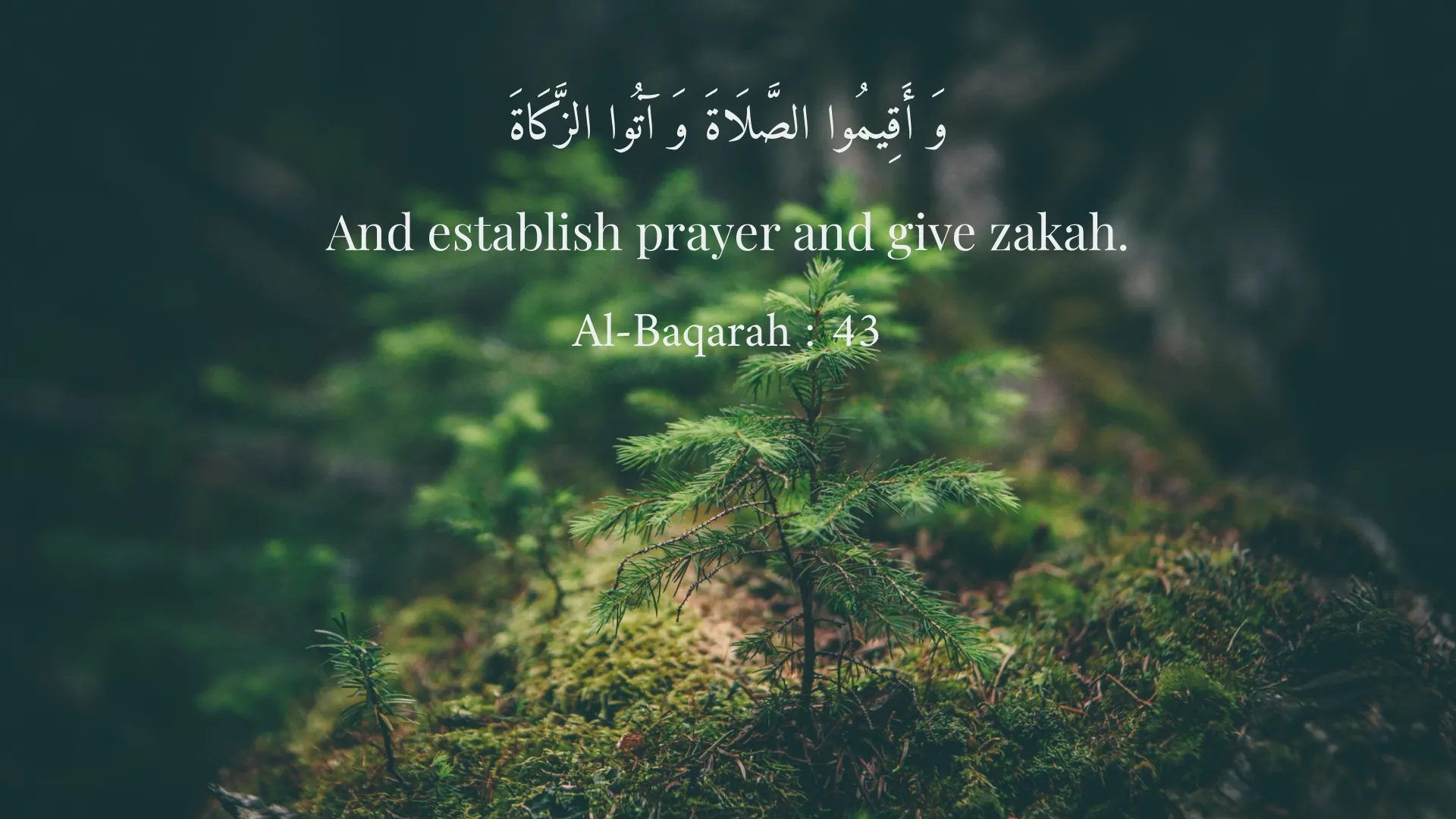
Prayer, known as Salah in Arabic, is not merely a ritualistic act within the framework of Islam; it embodies the essence of one’s faith and serves as a vital link between the believer and God. Revered as one of the fundamental obligations of Islam, prayer is prominently emphasized in both the Quran and the traditions (Hadith) of Prophet Muhammad (PBUH). The teachings and principles surrounding prayer illustrate its significance as the foundation and pillar of the Islamic faith, shaping the believer’s spiritual journey and everyday conduct. The Holy Quran is replete with verses that underscore the importance of prayer, each serving as a reminder of its role in the spiritual lives of Muslims. For instance, in Surah Al-Baqarah, verse 43, the Quran commands, "And establish prayer and give zakah," clearly indicating that prayer is one of the most crucial acts of worship within Islam. This verse places prayer in direct association with zakah (charity), both of which are deemed pillars of faith. The divine injunction to combine these two acts of worship signifies their interrelatedness in nurturing both the individual's relationship with God and their duty towards society. Furthermore, in Surah Al-Maidah, verse 55, we find another reference that stresses the importance of establishing prayer: "Your ally is none but Allah and His Messenger and those who have believed - those who establish prayer and give zakah while they bow." This verse not only emphasizes prayer as a fundamental aspect of faith but also associates it with community and social responsibility, highlighting the interconnectedness of individual and collective duties. In this context, prayer is not an isolated act; it is part of a broader framework of faith that calls believers to engage actively in their communities. The Prophetic traditions enrich our understanding of the significance of prayer by portraying it as a source of light and guidance for the human soul. Prophet Muhammad (PBUH) himself emphasized that prayer purifies the heart and soul, elevating one's spirituality and bringing about a profound sense of inner peace. In various Hadiths, he refers to prayer as a way to attain God's mercy and forgiveness, portraying it as an essential practice for one's spiritual well-being. By engaging in regular prayer, an individual not only cultivates a connection with the Divine but also fosters a sense of resilience and courage to confront life's challenges. The act of prayer serves as a sanctuary for the believer amidst the chaos and distractions of the world. When individuals engage in prayer, they momentarily detach from worldly troubles and redirect their focus towards God. This spiritual connection is transformative; it encourages believers to reflect on their lives, seek guidance, and draw strength from their faith. The rhythm of daily prayers creates a structure for life and provides an opportunity for continuous reflection and mindfulness. Moreover, the community aspect of prayer cannot be overlooked. While Muslims are encouraged to pray individually, congregational prayers, particularly the Friday prayer (Jumu’ah), foster a sense of unity and brotherhood among believers. This communal aspect reinforces social bonds and facilitates mutual support within the community, illustrating how prayer transcends individual spirituality and contributes to collective welfare. The Prophet Muhammad (PBUH) emphasized the importance of praying in congregation, and many Hadiths discuss the virtues and rewards of communal prayer. Establishing prayer also has practical implications for everyday life. It encourages discipline, time management, and commitment. Muslims are required to perform five daily prayers at specific intervals throughout the day, which creates a framework for mindfulness and ethical behavior. This structured approach to prayer helps in cultivating a sense of accountability and responsibility, both towards oneself and the community. Engaging in prayer serves as a reminder of one’s duties and obligations, fostering an ethical lifestyle in accordance with Islamic principles. In a world marked by rapid change and overwhelming distractions, the act of prayer offers solace and direction. It serves as a beacon of hope, guiding believers through life's uncertainties. Prayer instills a profound sense of purpose and belonging — a realization that amidst all challenges, there is the unwavering support of a higher power. This spiritual anchoring enables individuals to navigate the complexities of life with confidence and grace. Critically, the absence of prayer can detract from one’s ability to engage in good deeds and resist temptation. The Quran and Hadith teachings assert that without the foundation of prayer, the moral compass becomes susceptible to confusion, making it increasingly difficult to discern right from wrong. As such, establishing prayer is not just an act of devotion but a necessary practice for living a righteous life. In summary, prayer is a central tenet of Islam that embodies the relationship between the servant and God. Its importance is reinforced through numerous Quranic verses and Prophetic traditions, portraying it as both a personal and communal act of worship. The disciplines learned through regular prayer cultivate resilience, encourage community bonds, and foster ethical behavior, all of which are essential for navigating life’s challenges. Ultimately, recognizing prayer as the pillar of religion compels Muslims to uphold this sacred practice, ensuring that they remain anchored in their faith amidst the trials of the worldly life.
Related Verses
وَ أَقِيمُوا الصَّلَاةَ وَ آتُوا الزَّكَاةَ
And establish prayer and give zakah.
Al-Baqarah : 43
إنما وليكم الله ورسوله والذين آمنوا الذين يقيمون الصلاة ويقوتون الزكاة وهم راكعون
Your ally is none but Allah and His Messenger and those who have believed - those who establish prayer and give zakah while they bow.
Al-Maidah : 55
Short Story
Once upon a time, there was a man named Ali who faced numerous challenges in his life. He decided to dedicate a day to prayer and connect with God. After some time spent in prayer, he felt that his life had transformed. The problems persisted, but his heart found greater peace, enabling him to overcome them with ease. He realized that prayer truly is the pillar of religion and a source of tranquility.