Quranic Answer
Prayer, also known as Salah in Arabic, holds a fundamental and obligatory place within Islam and is viewed with immense importance among Muslims worldwide. This practice is not merely a ritual; it is a profound act of worship that significantly impacts the lives of believers. The Holy Quran emphasizes the necessity of prayer in numerous verses, providing a framework through which followers of Islam can express their faith and devotion to Allah. In this article, we will explore the vital role of Salah in an individual's spiritual journey, the teachings of the Quran regarding prayer, and its far-reaching effects on personal well-being and societal connections. One of the most prominent references to prayer can be found in Surah Al-Baqarah, verse 43, which states, 'Establish prayer and give zakah.' This verse highlights the pivotal obligation of Salah alongside zakah, which is the act of giving to charity. The Quran intertwines these two fundamental pillars of Islam to signify that they complement each other in the practice of faith. Salah serves as a reminder of servitude to Allah and elucidates the proper path in life. By performing prayers, believers reaffirm their submission to the Divine and seek guidance in navigating the complexities of life. Moreover, Salah provides an opportunity for individuals to take a step back from their daily routines, allowing them to engage in direct communication with their Creator. This moment of reflection and connection is paramount in today's fast-paced world, where distractions abound. The act of praying five times a day integrates a structure into a believer's schedule that fosters mindfulness and spiritual awareness. Engaging in prayer also allows individuals to find solace amidst their challenges, thereby promoting mental clarity and emotional stability. Another key verse that reinforces the significance of Salah is found in Surah Al-Mu’minun, verse 9, which states, 'And they who carefully maintain their prayer.' This verse emphasizes the importance of upholding and safeguarding one's prayers. Here, Allah conveys to the believers that they must be diligent in their prayers and not neglect them. This diligence entails not only performing the acts of worship but also doing so with sincerity and devotion. It serves as a reminder that consistent prayer can nurture one's faith and strengthen their bond with God. The act of prayer is transformative in nature. When individuals prioritize their Salah, they often experience a heightened sense of closeness to God. This connection allows for a clearer understanding of life's purpose and one's place in the world. Many believers report feelings of peace and fulfillment during and after prayer, attributing these feelings to their spiritual engagement with Allah. Such moments of tranquility can have a profound effect on, alleviating stress and anxiety that often accompanies modern living. In addition to personal benefits, Salah also has a communal aspect that fosters unity among Muslims. Congregational prayers, particularly the Friday prayer or Jumu'ah, serve as a significant gathering point for followers of Islam. These collective moments reinforce the bonds of brotherhood and sisterhood, reminding individuals of their shared faith and values. These gatherings hold great importance in nurturing a sense of belonging within the community, promoting mutual support, and encouraging collaborative efforts towards social welfare. The societal role of prayer extends beyond the individual and creates a ripple effect within the community. When individuals engage in prayer, they contribute to a collective consciousness that prioritizes spirituality and moral responsibility. Regular attendance at communal prayers can facilitate discussions around community initiatives, leading to charitable acts that benefit various groups, including the marginalized and underprivileged. Furthermore, prayer as a community activity serves as a reminder that Muslims are part of a global network of believers who support each other through shared values and practices. The significance of Salah in Islam cannot be overstated. It stands at the very core of a Muslim's relationship with Allah and serves as an anchor amidst the ebb and flow of daily life. For many, the practice of prayer has been a guiding force that shapes their decisions and influences their behavior, fostering a conscious effort to align themselves with Islamic principles. For those seeking to understand the spiritual depth of prayer, it is essential to realize its multifaceted nature. Salah is not just an obligation but also a privilege; it is an opportunity for believers to engage in a dialogue with the Divine, to seek guidance, forgiveness, and strength. The reiteration of prayer in the Quran calls attention to its necessity not just as a routine practice, but as a lifeline that connects an individual to their faith. In conclusion, the role of Salah within Islam is foundational and transformative. By establishing prayer as a regular practice, believers can deepen their connection to Allah, gain clarity in their lives, and cultivate a sense of peace that transcends life's challenges. Prayer also strengthens community ties by promoting unity and cooperation among individuals. As Muslims strive to uphold their prayers diligently, they are continually reminded of their purpose in life and their relationship with both God and their community. Embracing Salah fully allows one to embark on a path of spirituality, personal growth, and social responsibility, embodying the core tenets of Islam.
Related Verses
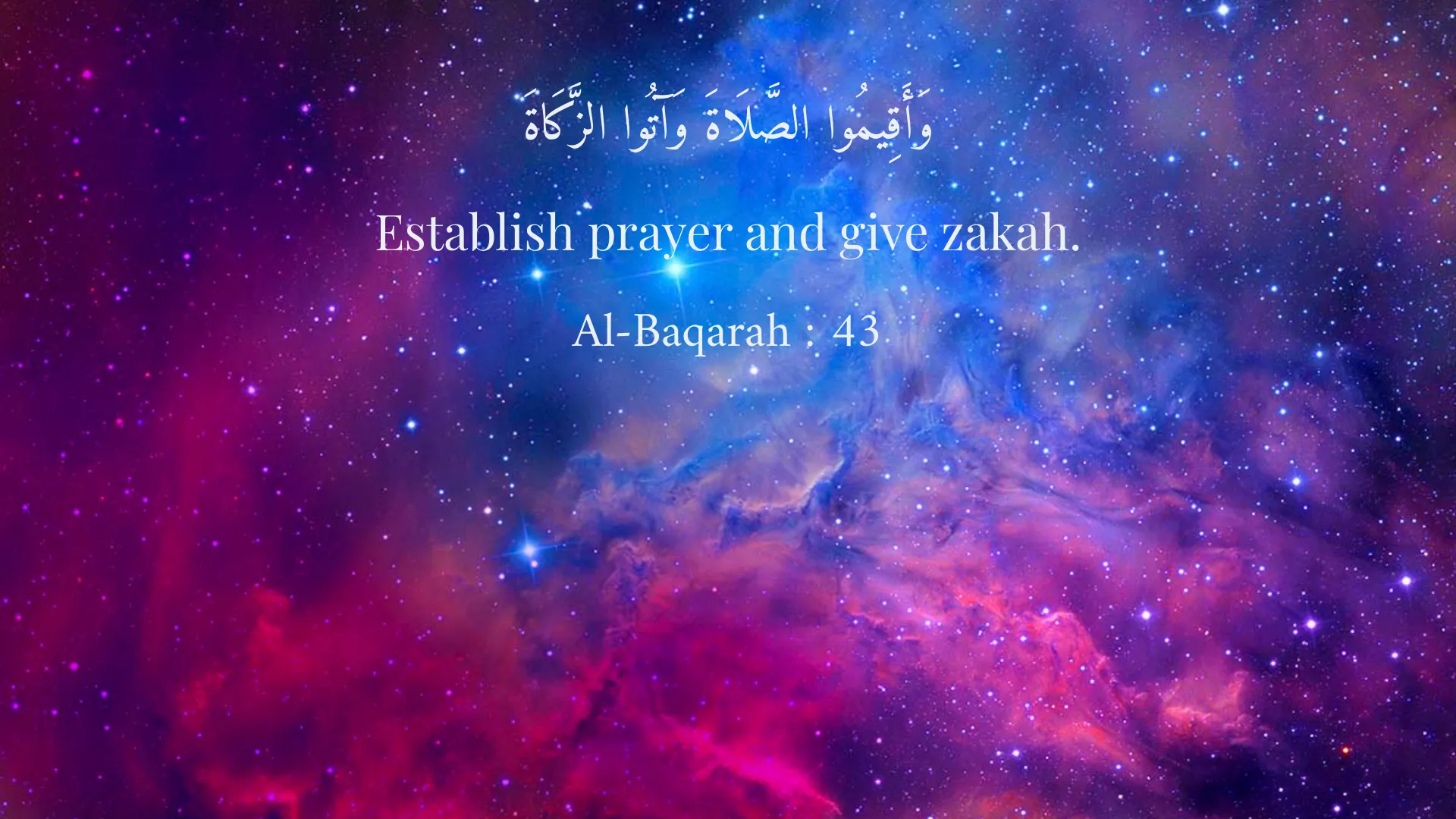
وَأَقِيمُوا الصَّلَاةَ وَآتُوا الزَّكَاةَ
Establish prayer and give zakah.
Al-Baqarah : 43
وَالَّذِينَ هُمْ عَلَى صَلَاتِهِمْ يُحَافِظُونَ
And they who carefully maintain their prayer.
Al-Mu'minun : 9
Short Story
One day, Maryam decided to pay more attention to her spiritual feelings. She dedicated more importance to her prayers and spent moments in solitude with God each day. After a while, she noticed that her life was filled with peace and happiness. Maryam realized that prayer not only brought her closer to God but also guided her towards goodness.