Quranic Answer
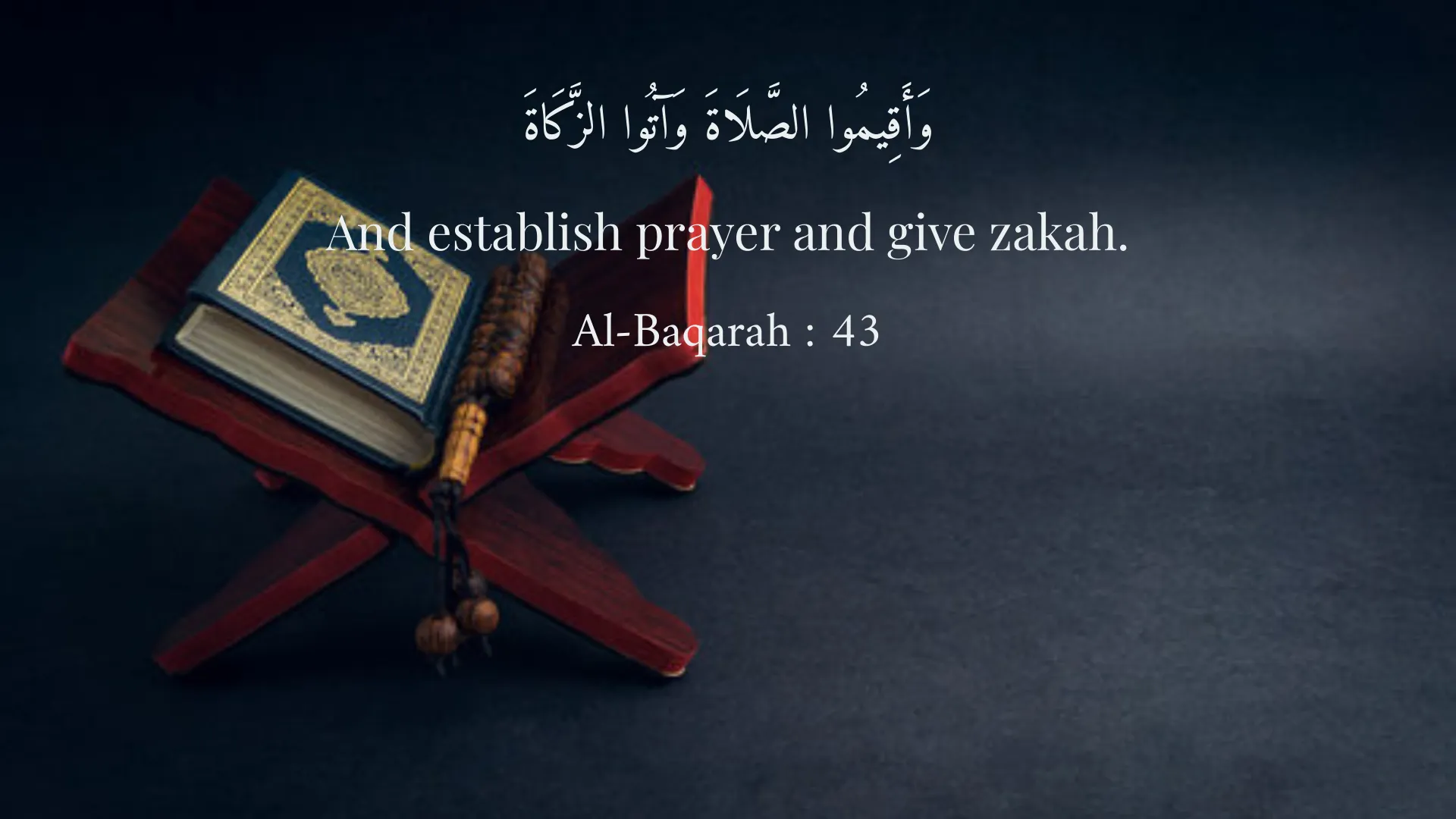
Prayer, or Salah, holds a paramount position in Islam, viewed as one of the most fundamental acts of worship. It forms the bedrock of religious life and is considered the second pillar of Islam after the declaration of faith (Shahada). Numerous references in the Holy Quran underscore the significance of prayer, highlighting its multifaceted role in the life of a Muslim. Allah's commandment in Surah Al-Baqarah, verse 43 states: 'And establish prayer and give zakah,' clearly demonstrates that prayer goes beyond a personal ritual; it is an essential social obligation and a communal act among Muslims. The Quran continuously emphasizes the importance of prayer, which is not only a means of personal supplication but also a communal pillar that binds the Islamic community together. Surah Al-Mu'minun, verse 9, articulates the essence of this act by stating: 'And they who are to their prayer are dutiful.' This verse reflects the disciplined nature that prayer instills in the lives of its practitioners. Prayer serves as a daily link between the believer and their Creator, encouraging Muslims to engage in a routine that reflects their commitment to faith. The significance of prayer in Islam transcends merely following a mandate. It acts as a critical means of nurturing one’s relationship with Allah, reaffirming obedience to Islamic teachings. The act of praying five times a day offers Muslims countless opportunities to reconnect with God amidst the myriad distractions of daily life. Each prayer serves as a moment of introspection and spiritual rejuvenation, allowing believers to seek forgiveness, guidance, and peace. Performing prayers in congregation, particularly the Friday prayer (Jumu'ah), enhances social cohesion and unity within the Islamic community (Ummah). It provides a space where individuals can come together, reinforcing their shared beliefs and values. Congregational prayers serve not only to strengthen individual faith but also to foster a sense of belonging and community. They help alleviate feelings of isolation, promote collective responsibility, and encourage mutual support among members. These gatherings signify more than just a physical coming together; they symbolize the collective dedication of Muslims toward their faith and to one another. Additionally, the act of prayer fosters not just spiritual growth but also moral and social behaviors that benefit society at large. The regular engagement in prayer teaches discipline, punctuality, and dedication; virtues that can translate into other aspects of life, including family dynamics and professional conduct. This disciplined practice is crucial in developing responsible citizens who contribute positively to society. Moreover, the spiritual aspect of prayer enriches the inner life of a believer. The moments of prayer provide individuals with an opportunity to disengage from the hustle and bustle of everyday activities and instead focus on their spiritual needs. In a world that is frequently characterized by material pursuits and distractions, prayer serves as an anchor, reminding Muslims of their purpose and goals beyond the superficial concerns of daily life. The act of praying also carries with it a therapeutic dimension. Meditative in nature, prayer serves as a means of reducing anxiety and enhancing emotional well-being. The rhythmic movements and recitations facilitate mindfulness, allowing practitioners to engage fully in the moment and establish a profound sense of tranquility. This calming exercise counteracts feelings of stress and helps satisfy the emotional, psychological, and spiritual needs of individuals, thereby fostering a well-rounded approach to health and wellness. Furthermore, the Quran encourages prayer during significant life events, emphasizing its role in various aspects of existence, from times of joy to times of sorrow. Prayer serves as an avenue for seeking help during trials or expressing gratitude during moments of success. This connection allows Muslims to turn to God regardless of their circumstances, reinforcing their faith and reliance on divine wisdom and support. The community aspect of prayer is vital in terms of forging relationships and networks among Muslims. When individuals come together for prayer, they also engage in discussions and support one another with life's challenges, be they personal, professional, or spiritual. Such conversations strengthen community ties, promote understanding, foster belonging, and create a support system among believers. In the contemporary world, where technology and rapid lifestyles can lead to a sense of isolation, the call to prayer becomes even more significant. It serves as a reminder to halt the chase for material success and reconnect with spiritual roots. The Islamic tradition insists that these five daily prayers are not merely rituals but are vital to spiritual and communal life, interweaving individuals' lives with the fabric of community. It is through the commitment to regular prayer that Muslims can navigate modern life while keeping their spiritual compass intact. In conclusion, prayer in Islam is rich in meaning and purpose. It stands as the pillar of Islamic practice, guiding believers toward piety, obedience, and a strong spirituality. Establishing prayer strengthens an individual's bond with Allah while simultaneously reinforcing communal ties within the Muslim community. In promoting both individual spiritual health and collective social moralities, prayer undeniably occupies a central place in the life of every devout Muslim. Ultimately, it serves as a continuous reminder of one’s faith journey, highlighting the importance of maintaining a conscious relationship with the Divine and with one another.
Related Verses
وَأَقِيمُوا الصَّلَاةَ وَآتُوا الزَّكَاةَ
And establish prayer and give zakah.
Al-Baqarah : 43
وَالَّذِينَ هُمْ عَلَى صَلَاتِهِمْ يُحَافِظُونَ
And they who are to their prayer are dutiful.
Al-Mu'minun : 9
Short Story
In ancient days, there was a man named Ahmad who was overwhelmed by the daily hustle of life. One day, he decided to go to the neighborhood park and take a deep breath. There, he heard the azan echoing and it prompted him to ponder what he had been missing in life. Ahmad decided to make prayer a daily habit in his life. Over time, he realized that his existence significantly changed with his connection to God, and he felt a deeper sense of peace within.