Quranic Answer
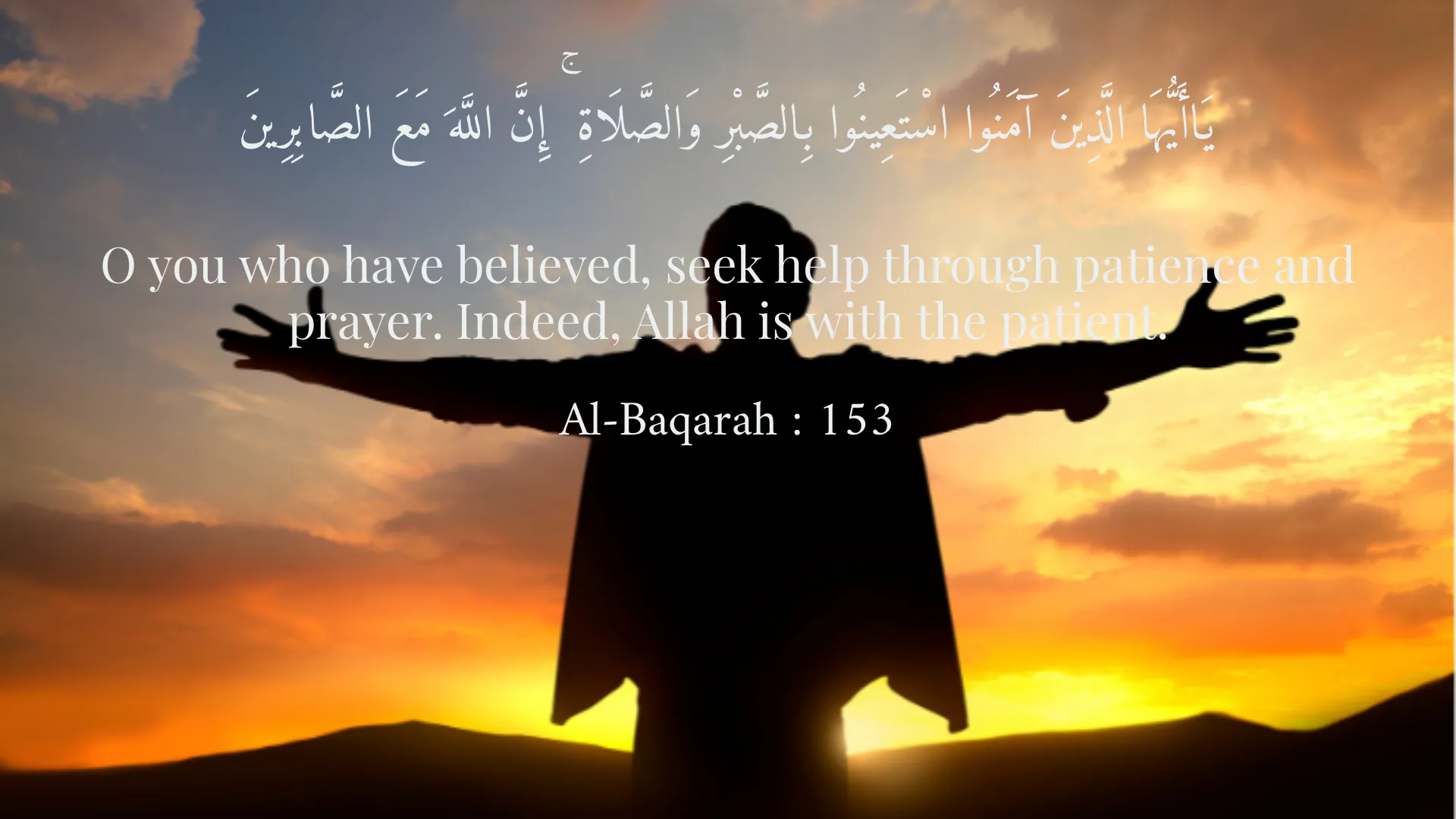
In the Holy Quran, the concept of patience occupies a central place as one of the most significant traits of the believers. It is a theme that resonates throughout various verses, underscoring its importance not only in the spiritual journey of an individual but also in everyday life. Patience, or 'sabr' in Arabic, is frequently mentioned in the Quran as a virtue that is essential for anyone who seeks to grow in faith and navigate the complexities of life. The verses highlighted in Surah Al-Baqarah and Surah Al-Imran serve as foundational texts that teach believers about the necessity of patience in their lives. In Surah Al-Baqarah, verse 153, Allah commands the believers to seek help through patience and prayer, stating, 'Indeed, Allah is with the patient.' This profound statement establishes a divine promise of companionship and support for those who embody patience. The phrase 'Allah is with the patient' reassures believers that they are not alone in their struggles, and that their endurance in the face of trials earns them an esteemed place in His sight. The emphasis on prayer alongside patience highlights the interconnectedness of these two practices; prayer is not merely a means of communication with Allah, but a vital component in cultivating patience. Through supplication and remembrance, individuals can find solace and strength to persevere in their challenges. Furthermore, in Surah Al-Imran, verse 200, believers are encouraged to 'persevere and endure, and remain stationed, and fear Allah that you may be successful.' This multitude of imperatives is indicative of the multifaceted nature of patience. It implies that mere waiting is not enough; rather, believers are called to actively engage in perseverance while maintaining their consciousness of Allah. The exhortation to 'fear Allah' serves as a reminder that patience should be practiced with reverence for God’s commandments, ensuring that the individual remains steadfast in their faith, regardless of the circumstances they face. The linkage of patience with success suggests that true achievement in life is intrinsically tied to one’s ability to endure hardships with grace and resilience. Patience manifests in various forms, ranging from the patience required in the face of personal struggles to the endurance needed in societal challenges. Each form of patience builds character and fortitude, aiding individuals in their personal development. When one approaches tasks with patience, they cultivate a sense of calm and thoughtful consideration that fosters better decision-making. Instead of reacting impulsively to setbacks, patient individuals are more inclined to reflect on their experiences, learning from mistakes and leveraging failures as stepping stones towards greater accomplishments. In this way, patience does not merely serve as a passive state of waiting; it is an active power that strengthens one’s resolve and willpower when confronted with adversity. In the modern context, the need for patience is more pronounced than ever. With the fast-paced nature of contemporary life, individuals often encounter pressures and problems that can lead to despair and frustration. The incessant demand for immediate results and gratification creates a fertile ground for impatience to flourish. However, it is precisely during such trying times that the teachings of the Quran ring truer than ever. Patience acts as a guiding light, helping individuals navigate the tumultuous waters of their emotions and circumstances. Rather than succumbing to despair, the cultivation of patience becomes essential for enduring difficulties. Moreover, patience is deeply intertwined with faith. The Quran teaches that it is not only a moral choice but also a spiritual necessity. It serves as the essence of the believer's character, shaping their identity and influencing their interactions with others. The more one embodies patience, the closer they draw to their ultimate goal of achieving a deeper connection with Allah. It reinforces the notion that spiritual growth is often accompanied by trials that test one’s perseverance. The spiritual significance of patience extends beyond the individual's personal challenges; it also includes a collective aspect that elucidates its role in community. By practicing patience, individuals contribute to a more harmonious society as they model for others how to respond to challenges constructively. Communities that foster patience among their members often reflect resilience and stability, demonstrating the profound impact of this virtue on a larger scale. The Quranic perspective on patience is not merely about enduring hardships; it also encompasses the joy and tranquility that come with practicing patience. Believers are reassured of the rewards that await them in this life and the Hereafter for their steadfastness. In Surah Al-Baqarah, verse 177, Allah mentions that true righteousness is not just in turning one’s face toward the East or West but includes faith, prayer, and giving to others, particularly in times of ascription and patience during hardship. This holistic view of patience extends beyond mere endurance into a realm of active righteousness and engagement with the world. In conclusion, the teachings of the Quran position patience as an indispensable part of a believer’s life. The verses from Surah Al-Baqarah and Surah Al-Imran underscore that patience is not merely a passive waiting period, but rather an active force that supports spiritual growth and personal resilience. In an era characterized by rapid change and mounting pressures, the importance of patience cannot be overstated. As individuals endeavor to live in accordance with their faith, cultivating patience will undoubtedly serve as a beacon of light, helping them traverse the complexities of life with grace and purpose. Thus, it is incumbent upon believers to internalize these teachings and strive to embody patience as a fundamental aspect of their character, ensuring that it remains a guiding principle in their pursuit of success, whether in this life or the Hereafter.
Related Verses
يَاأَيُّهَا الَّذِينَ آمَنُوا اسْتَعِينُوا بِالصَّبْرِ وَالصَّلَاةِ ۚ إِنَّ اللَّهَ مَعَ الصَّابِرِينَ
O you who have believed, seek help through patience and prayer. Indeed, Allah is with the patient.
Al-Baqarah : 153
يَا أَيُّهَا الَّذِينَ آمَنُوا اصْبِرُوا وَاصْبِرُوا وَارْبُطُوا وَاتَّقُوا اللَّهَ لَعَلَّكُمْ تُفْلِحُونَ
O you who have believed, persevere and endure and remain stationed and fear Allah that you may be successful.
Al-Imran : 200
Short Story
Once upon a time, there was a man named Hassan who faced many challenges in his life. He was always worried about whether he could achieve his dreams or not. One day, he came across a verse from the Quran that highlighted the importance of patience. Hassan decided to move forward with patience and perseverance, aiming to achieve his goals. Over time, with the patience he showed, he achieved great success and rebuilt his life.