Quranic Answer
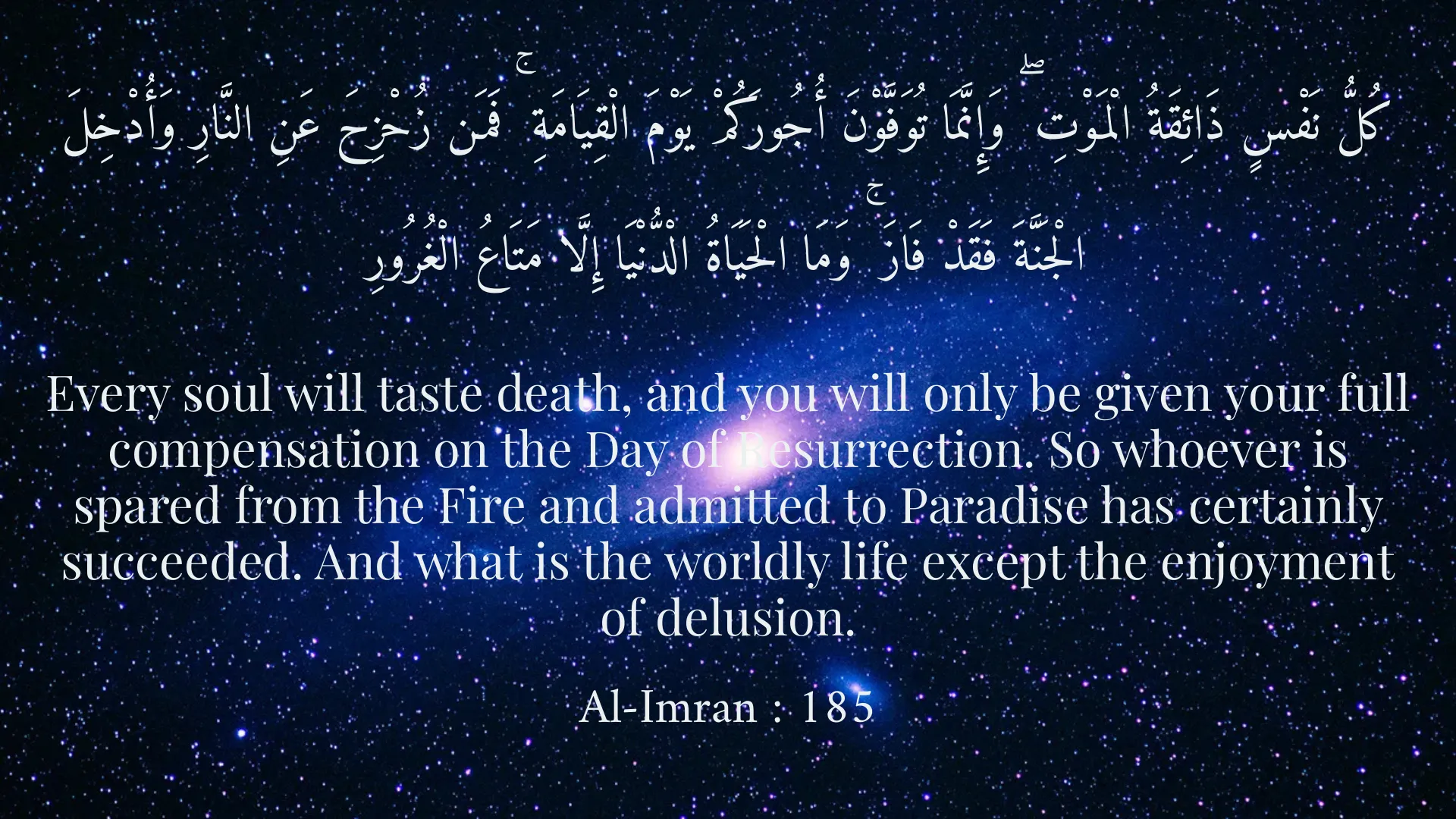
In the Holy Quran, attachment to worldly life is depicted as a disreputable behavior that deprives individuals of divine blessings. The Quran explicitly warns against the ephemeral nature of this earthly existence and emphasizes the importance of focusing on the eternal life to come. In Surah Al-Imran, verse 185, Allah states, "Every soul shall taste death, and only on the Day of Judgment will you be paid your full recompense. So he who is drawn away from the Fire and admitted to Paradise has attained a great triumph. And what is the worldly life except the enjoyment of delusion." This verse serves as a poignant reminder that those who chase after the transient pleasures of this world are, in essence, neglecting the realities of their spiritual journey and leading themselves into darkness. In Surah Al-Hadid, verse 20, it is further clarified that "Know that the life of this world is but amusement and diversion and adornment and boasting among yourselves and competition in increase of wealth and children. Like the example of a rain whose plant growth pleases the tiller; then it dries and you see it turned yellow; then it becomes scattered debris. And in the Hereafter is severe punishment and forgiveness from Allah and approval. And what is the worldly life except the enjoyment of delusion." Here, the Quran stresses that life is merely a game of vanity and temptation, and it warns believers not to let themselves be deceived by the superficial glamour that this world has to offer. These verses collectively underscore the notion that the material world is a mirage, leading individuals into trials and tribulations that can distract them from remembering Allah and the afterlife. Instead of focusing solely on worldly possessions and gains, believers are encouraged to direct their love and aspirations toward the hereafter, where true reward and fulfillment lie. This divine guidance resonates deeply when we reflect on the transient nature of wealth and belongings, as articulated in Surah Al-Kahf, verse 46: "Wealth and children are [but] adornment of worldly life. But the enduring good deeds are better to your Lord for reward and better for [one's] hope." Consequently, from these verses, we can derive that engrossing ourselves in the allure of worldly vanity can lead to profound neglect of our obligations toward God and the afterlife. It serves as an awakening call to prioritize our spiritual pursuits, as we are reminded that the ultimate rewards lie in the good deeds we perform and the integrity with which we live our lives. In our daily lives, actions such as the relentless accumulation of wealth and material possessions may divert our attention from items of greater significance—such as helping others, engaging in charitable deeds, and committing ourselves wholeheartedly to acts of kindness. In a world that often promotes materialism and self-indulgence, Islamic teachings emphasize the importance of generosity, social responsibility, and compassion toward fellow human beings. The Quran encourages believers to focus on righteous actions, giving to charity, and assisting those in need. This notion is beautifully encapsulated in Surah Al-Baqarah, verse 267, where Allah commands: "O you who have believed, spend from the good things which you have earned and from that which We have produced for you from the earth. And do not aim toward the defective thereof, spending from that while you would not take it yourself except in disdain. And know that Allah is Free of need and Praiseworthy." This principle of altruism and helping others reflects a core value within the Islamic faith, wherein believers are frequently reminded to act justly and selflessly. The act of giving is not merely a means of aiding those less fortunate; it also enriches the giver’s own spirit and strengthens their ties to the community. In this act of generosity, one finds a pathway to spiritual growth and fulfillment. Moreover, the Quran often stresses the significance of intentionality in one's actions. Muslims are instructed to be mindful and sincere in their intentions when performing any act, whether it is charitable giving, acts of kindness, or fulfilling duties to others. This sincerity is paramount, as seen in the hadith: "Actions are judged by their intentions. Thus, whoever emigrated for the sake of Allah and His Messenger, his emigration is for Allah and His Messenger. And whoever emigrated for worldly gain or to take a woman in marriage, his emigration is for that for which he emigrated." In addition, the lasting impact of good deeds extends far beyond the individual, reinforcing the interconnectedness of society. As people engage in acts of charity and support one another, social bonds strengthen, and an atmosphere of hope and encouragement is cultivated. This is why actions like giving charity, supporting local initiatives, and working towards the betterment of society are emphasized within Islamic teachings. Their exceptional significance lies in their capacity to transform collective attitudes and elevate the spirit of the community. In conclusion, the Quran presents a comprehensive understanding of life, urging individuals to be wary of the fleeting pleasures of this world while maintaining a steadfast focus on the hereafter. It emphasizes that material wealth and possessions should not distract believers from their spiritual pursuits and obligations. Instead, they are called to invest in good deeds, compassion, and community welfare—the true measures of one's success and fulfillment. Ultimately, the Quran encourages a deeper reflection on the purpose of our existence, guiding us to seek lasting rewards in the afterlife rather than being absorbed in the transient allure of the material world.
Related Verses
كُلُّ نَفْسٍ ذَائِقَةُ الْمَوْتِ ۖ وَإِنَّمَا تُوَفَّوْنَ أُجُورَكُمْ يَوْمَ الْقِيَامَةِ ۚ فَمَن زُحْزِحَ عَنِ النَّارِ وَأُدْخِلَ الْجَنَّةَ فَقَدْ فَازَ ۚ وَمَا الْحَيَاةُ الْدُّنْيَا إِلَّا مَتَاعُ الْغُرُورِ
Every soul will taste death, and you will only be given your full compensation on the Day of Resurrection. So whoever is spared from the Fire and admitted to Paradise has certainly succeeded. And what is the worldly life except the enjoyment of delusion.
Al-Imran : 185
اعْلَمُوا أَنَّمَا الْحَيَاةُ الدُّنْيَا لَعِبٌ وَلهْوٌ وَزِينَةٌ وَتَفَاخُرٌ بَيْنَكُمْ وَتَكَاثُرٌ فِي الْأَمْوَالِ وَالأَوْلَادِ ۚ كَمَثَلِ غَيْثٍ أَعْجَبَ الْكُفَّارَ نَبَاتُهُ ثُمَّ يَهِيجُ فَتَرَاهُ مُصْفَرًّا ثُمَّ يَكُونُ حُطَامًا ۚ وَفِي الْآخِرَةِ عَذَابٌ شَدِيدٌ ۖ وَمَغْفِرَةٌ مِّنَ اللَّهِ وَرِضْوَانٌ ۗ وَمَا الْحَيَاةُ الدُّنْيَا إِلَّا مَتَاعُ الْغُرُورِ
Know that the worldly life is but amusement and diversion and adornment and boasting among yourselves and rivalry in increase of wealth and children. Like the example of a rain whose plant growth pleases the tillers; then it dries and you see it turned yellow; then it becomes scattered debris. And in the Hereafter is severe punishment and forgiveness from Allah and approval. And what is the worldly life except the enjoyment of delusion.
Al-Hadid : 20
Short Story
One day, a wise man went to the market and noticed people busy with buying and selling, each chasing wealth and riches. He stood for a while, observing them, and then said, 'Oh people! The wealth and worldly comforts you seek are transient; how can you let the allure of the world deceive you?' After this, he turned his attention to a young man and reminded him to devote his heart to God rather than worldly adornments. The young man listened eagerly and decided to change his life and get closer to God.