Quranic Answer
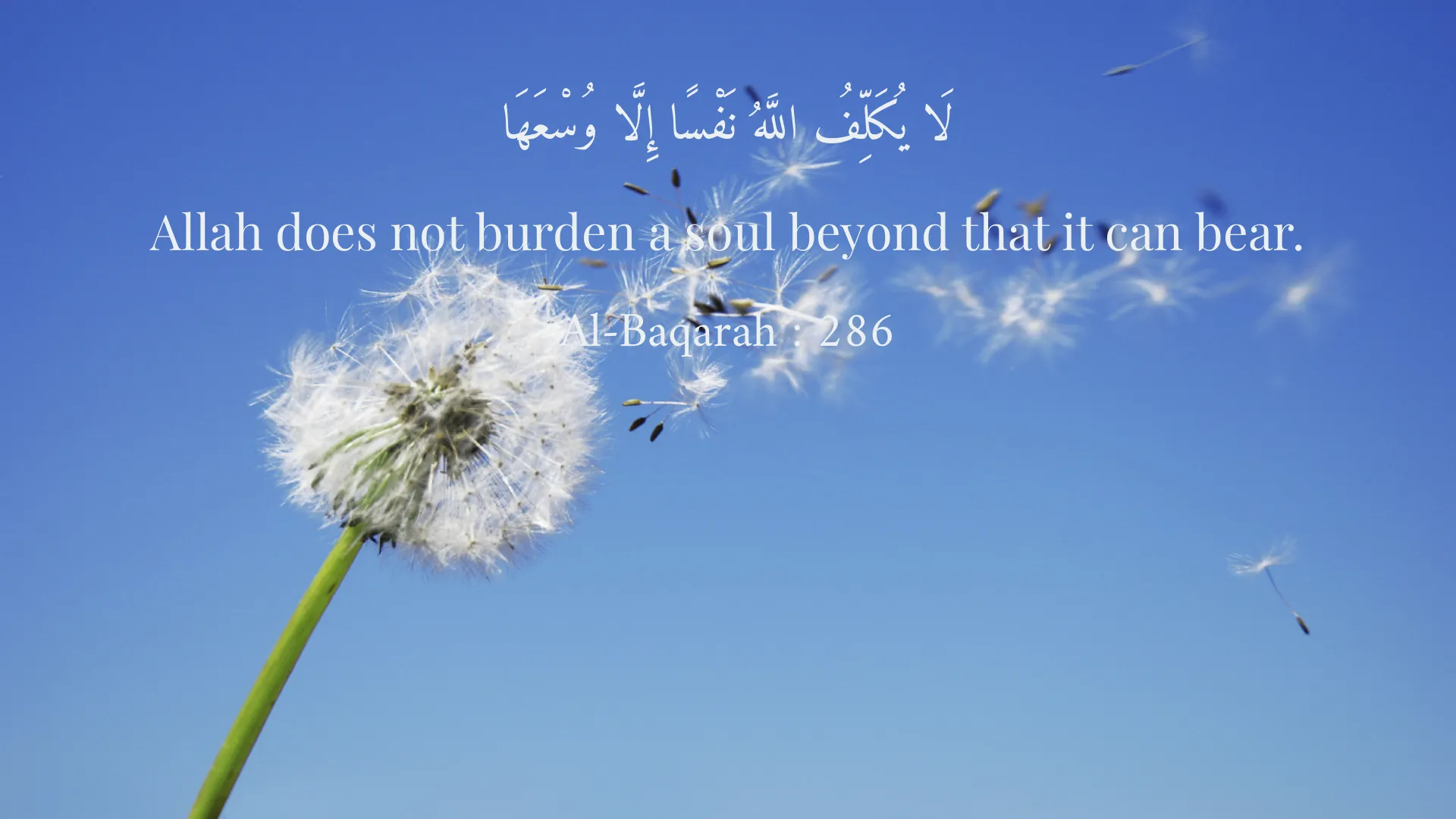
Relying on God and placing trust in Him are fundamental principles in Islam that serve as the foundation of a believer's relationship with their Creator. These principles are clearly articulated in the verses of the Quran, which provides guidance, reassurance, and wisdom for Muslims as they navigate through the complexities of life. The concept of Tawakkul, or trust in God, is paramount in Islamic teachings as it signifies acknowledging God's omnipotence and understanding that He is fully aware of our affairs. This reliance brings inner peace, especially during difficult and hopeless situations. In moments of despair, it is essential to remember that God is aware of our circumstances and that nothing escapes His knowledge. This awareness can provide us with immense strength and comfort. The Quran reflects this truth through various verses, one of the most powerful being in Surah Al-Baqarah, verse 286: "Allah does not burden a soul beyond that it can bear." This verse serves as a reminder that God understands our limits and that the challenges and tests we face are tailored to our capacities. It inspires a sense of resilience in believers, knowing that they possess the strength to endure their trials. The acknowledgement of this divine justice affirms that our struggles are not in vain but are purposeful and aligned with our growth as individuals. Moreover, facing challenges can indeed foster a stronger faith in God. The more we seek Him during our trials, the more our trust in His plans develop. In Surah Al-Imran, verse 139, the Quran states: "So do not become weak, nor be sad, and you will be superior if you are true believers." This verse exhorts us to remain steadfast in our faith, no matter how hard our circumstances may seem. It teaches us that even at the lowest points in our lives, the true believers maintain their faith in God's promises and capabilities. The emphasis here is on the importance of not allowing despair to cripple us; instead, we are encouraged to seek God’s assistance and keep a hopeful heart. When we ask for help from God during tough times, we not only achieve a sense of calmness but also reinforce the notion that we are never alone. He is always by our side, ready to assist us in navigating the tumultuous waters of life. This reliance fosters a feeling of security and hope, as we recognize that whatever challenges we face, they are part of a greater plan that ultimately serves our best interests. Such understanding prompts us to surrender our fears and anxieties, replacing them with a profound trust that God will guide us through our difficulties. However, it is crucial to clarify that relying on God does not equate to laziness or acceptance of problems without action. In Islam, while tawakkul plays a vital role, it is equally important to strive and put in the effort required to solve our issues. This belief reflects a balance between spiritual reliance and practical action. Seeking help from God means actively looking for the paths He has made available to us. The importance of hard work and exertion is stressed in several places within Islamic teachings. Duas (supplications) are meant to be accompanied by efforts and actions; for example, if one is seeking a job, they must apply for positions while praying for God's guidance and support. In addition to personal struggles, this principle of trusting in God extends toward various facets of life, including social, financial, and familial challenges. Muslims are encouraged to maintain a sense of equitable focus, ensuring that trust in God does not deter them from fulfilling their responsibilities or undertaking necessary actions. Trusting in God encourages us to act morally and ethically, recognizing that the outcome is in His hands, but the effort must be our own. This understanding cultivates a sense of responsibility and empowers believers to work towards justice, compassion, and integrity in their daily lives. Additionally, stories of the prophets from the Quran provide examples of tawakkul and reliance on God in challenging situations. For instance, the story of Prophet Yunus (Jonah) highlights what it means to rely on God even in the depths of despair, as he called upon God in the belly of the whale, and through his sincere trust, he was saved. Each prophet faced monumental obstacles but remained steadfast in their reliance on God, demonstrating to us the importance of maintaining faith regardless of our circumstances. These historical lessons are not mere tales but are intended to serve as guiding principles for personal development and spiritual growth. Overall, the act of relying on God is deeply integrated into the fabric of a Muslim’s life. While the teachings of Islam affirm that trust in God is essential, they also emphasize the necessity of effort, responsibility, and moral integrity in conjunction with that trust. Embracing this holistic approach brings tranquility to the believer's heart, fosters resilience in the face of adversity, and builds a pathway towards personal growth and community development. Through understanding and embodying these principles, Muslims can cultivate a rich spiritual life while navigating the trials of the world with unwavering faith and a determined spirit. In conclusion, relying on God is not just about surrendering to fate; it is about aligning oneself with His will, striving towards excellence, and finding peace amid life’s chaos. This principle serves as a guiding light for millions of believers, leading them towards a deeper understanding of faith, resilience, and the beautiful journey of life.
Related Verses
لَا يُكَلِّفُ اللَّهُ نَفْسًا إِلَّا وُسْعَهَا
Allah does not burden a soul beyond that it can bear.
Al-Baqarah : 286
فَلَا تَهِنُوا وَ لَا تَحۡزَنُوا وَ أَنتُمُ الْأَعْلَوْنَ إِن كُنتُم مُّؤْمِنِينَ
So do not become weak, nor be sad, and you will be superior if you are true believers.
Al-Imran : 139
Short Story
One day, Hosam a young man faced a big problem and felt that there was no way out. He remembered God and prayed. Gradually, he felt peace settling in his heart. He realized that relying on God not only gave him strength but also created a path to light in the midst of darkness. With faith in God, Hosam pursued solutions and managed to overcome his problem.