Quranic Answer
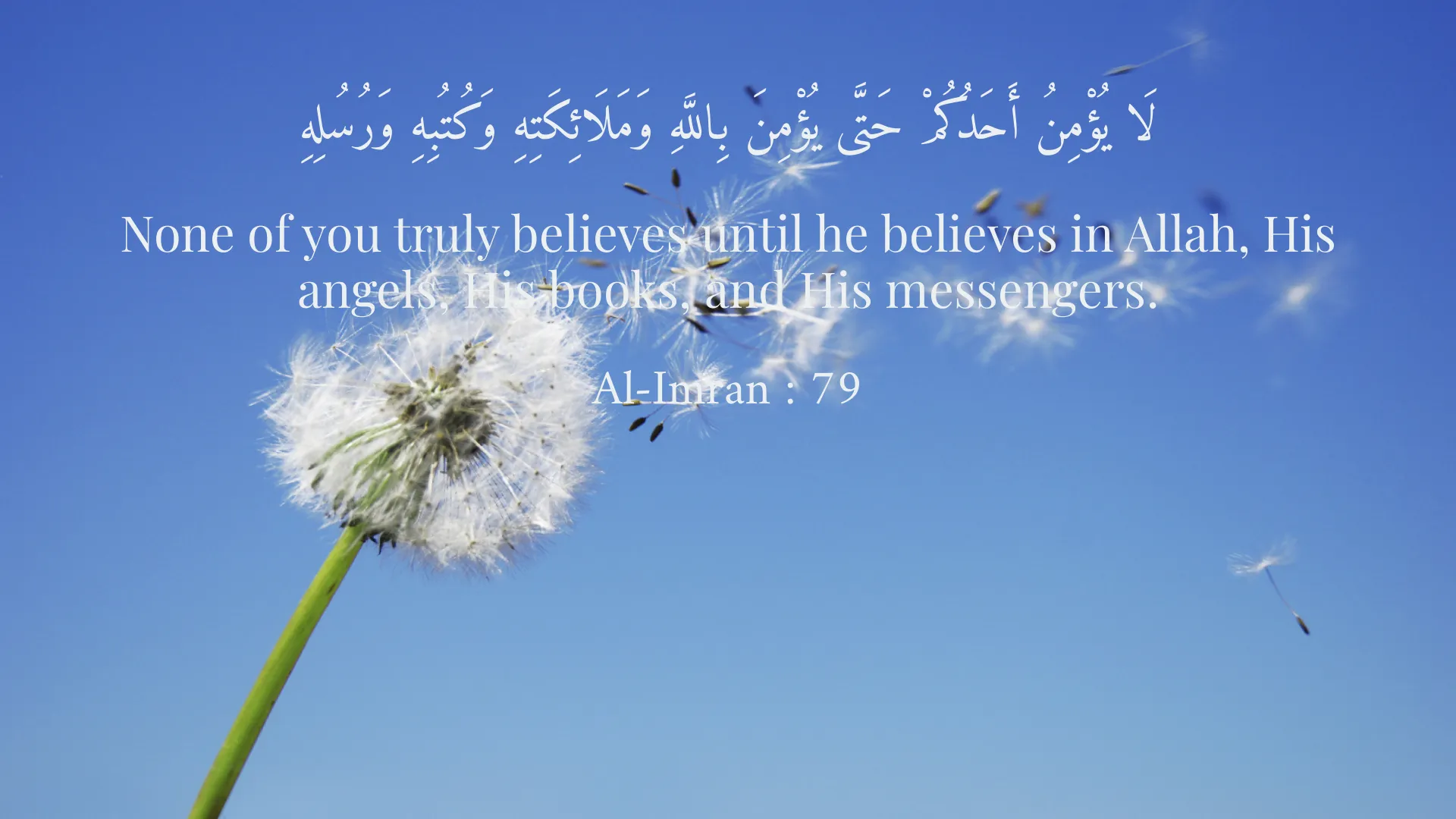
Belief in the prophets occupies a foundational role in the Islamic faith and serves as an essential pillar for one's belief in God. This conviction is not merely a theological assertion but represents an integral component of a Muslim's spiritual journey. Throughout the Holy Quran, Allah emphasizes, with unwavering clarity, the importance of prophets and their divine missions, illustrating the significance of these exemplary figures in guiding humanity. In this exploration, we will delve into the role of prophets, the importance of their messages, how they serve as role models, and the broader implications of belief in them for individuals and society. To begin with, the Quran articulates that belief in the prophets is not an optional tenet but a fundamental requirement for anyone who wishes to consider themselves a true believer. A powerful illustration of this is found in Surah Al-Imran, verse 79, which states: 'None of you truly believes until he believes in Allah, His angels, His books, and His messengers.' This verse makes it abundantly clear that faith in messengers is not merely a matter of religious doctrine; it is vital to one’s complete faith in God. It establishes a framework whereby belief in the prophets is intertwined with belief in the core aspects of Islam, creating a cohesive understanding of spirituality. Throughout history, prophets have been sent by Allah to convey His messages and exemplify how to live a righteous life. These individuals are often chosen because of their unique qualities – integrity, moral courage, and an unwavering commitment to carrying out God's will. By examining the lives of these prophetic figures, we are not just learning about historical personalities but rather absorbing timeless lessons that apply to our daily lives. They guide us away from errors and deviations, advocating principles of compassion, justice, and responsibility. In Surah An-Nisa, verse 69, it is mentioned: 'whoever obeys Allah and the Messenger, they are with those whom Allah has blessed.' This verse explicitly highlights the importance of obedience to the prophets, framing it as a pathway to earn God's pleasure and blessings. Consequently, obedience extends beyond mere following – it is an act of love, devotion, and commitment to divine guidance. Trusting in the messages of the prophets allows individuals to align their lives with higher moral standards and contribute positively to society. The prophets serve as role models for humanity. They represent ideals of integrity, courage, and sacrifice that many aspire to achieve. Their teachings encourage individuals to strive for a higher purpose, instilling the importance of ethical decision-making and reflective thinking. Every prophet, from Adam to Muhammad (peace be upon them), embodied qualities that resonate with the human experience and challenge us to emulate their virtues. By doing so, we not only enhance our personal spiritual journeys but also inspire those around us to pursue paths of righteousness. In an age where challenges abound and societal values seem to be in flux, the teachings of the prophets provide a beacon of hope and clarity. They remind us that our actions, no matter how small, hold the potential for significant impact. Each prophetic message can be a directive to better ourselves and serve humanity, encouraging charity, community service, and advocacy for justice. In doing so, we foster environments where compassion and empathy can flourish, countering the divisiveness present in contemporary discourse. Moreover, belief in the prophets allows us to cultivate communal bonds and a sense of shared purpose. The revelations brought forth by these messengers are common threads that unite Muslims across different cultures and geographies. By embracing the teachings of our prophets, we participate in a collective narrative that promotes acceptance and understanding, transcending the barriers of language, customs, and traditions. In this sense, the prophets are not just historical figures; they are living symbols of unity that inspire a sense of belonging among believers. In addition to their role as spiritual leaders, prophets serve as historical markers of ethical evolution. They challenge societal norms that conflict with divine truth, urging humanity to reevaluate its understanding of justice, duty, and morality. Through their lives, we witness how integrity triumphs over adversity and how unwavering faith can lead to profound transformation. Each prophet's story illustrates resilience in the face of hardship, teaching us to remain steadfast in our principles and values. However, the significance of belief in the prophets extends beyond personal spirituality and community building; it also poses a challenge to intellectual inquiry. The messages of the prophets invite us to engage critically with our beliefs and to seek knowledge continuously. They encourage questioning and reflection, which are essential for spiritual growth. As believers, we are urged to delve deeper into the messages conveyed through the Quran and Hadith, leading to a richer understanding of our faith and its application in contemporary contexts. In conclusion, belief in the prophets is a cornerstone of the Islamic faith and serves a multitude of purposes that enhance individual spirituality, community cohesion, and moral clarity. Their teachings guide us through the complexities of daily life, allowing us to aspire to higher ethical standards while nurturing the seeds of compassion and justice in society. As we honor the prophets and strive to emulate their exemplary traits, we align ourselves with a legacy of integrity, sacrifice, and divine guidance. Ultimately, faith in the prophets is not only a religious obligation but also a fulfilling journey that enriches our existence and shapes a better, more virtuous world for future generations.
Related Verses
لَا يُؤْمِنُ أَحَدُكُمْ حَتَّى يُؤْمِنَ بِاللَّهِ وَمَلَائِكَتِهِ وَكُتُبِهِ وَرُسُلِهِ
None of you truly believes until he believes in Allah, His angels, His books, and His messengers.
Al-Imran : 79
وَمَن يُطِعِ اللَّهَ وَالرَّسُولَ فَأُولَـئِكَ مَعَ الَّذِينَ أَنْعَمَ اللَّهُ عَلَيْهِمْ
And whoever obeys Allah and the Messenger, they are with those whom Allah has blessed.
An-Nisa : 69
Short Story
One day, a prophet came to his land and proclaimed loudly, 'O people! Believe in me and you shall be saved.' Some looked at him questioningly, asking, 'Why should we believe in you?' The prophet turned to them and shared the divine verses. After some time, the people realized that believing in the prophet was not only a path to salvation but illuminated their lives with divine guidance.