Quranic Answer
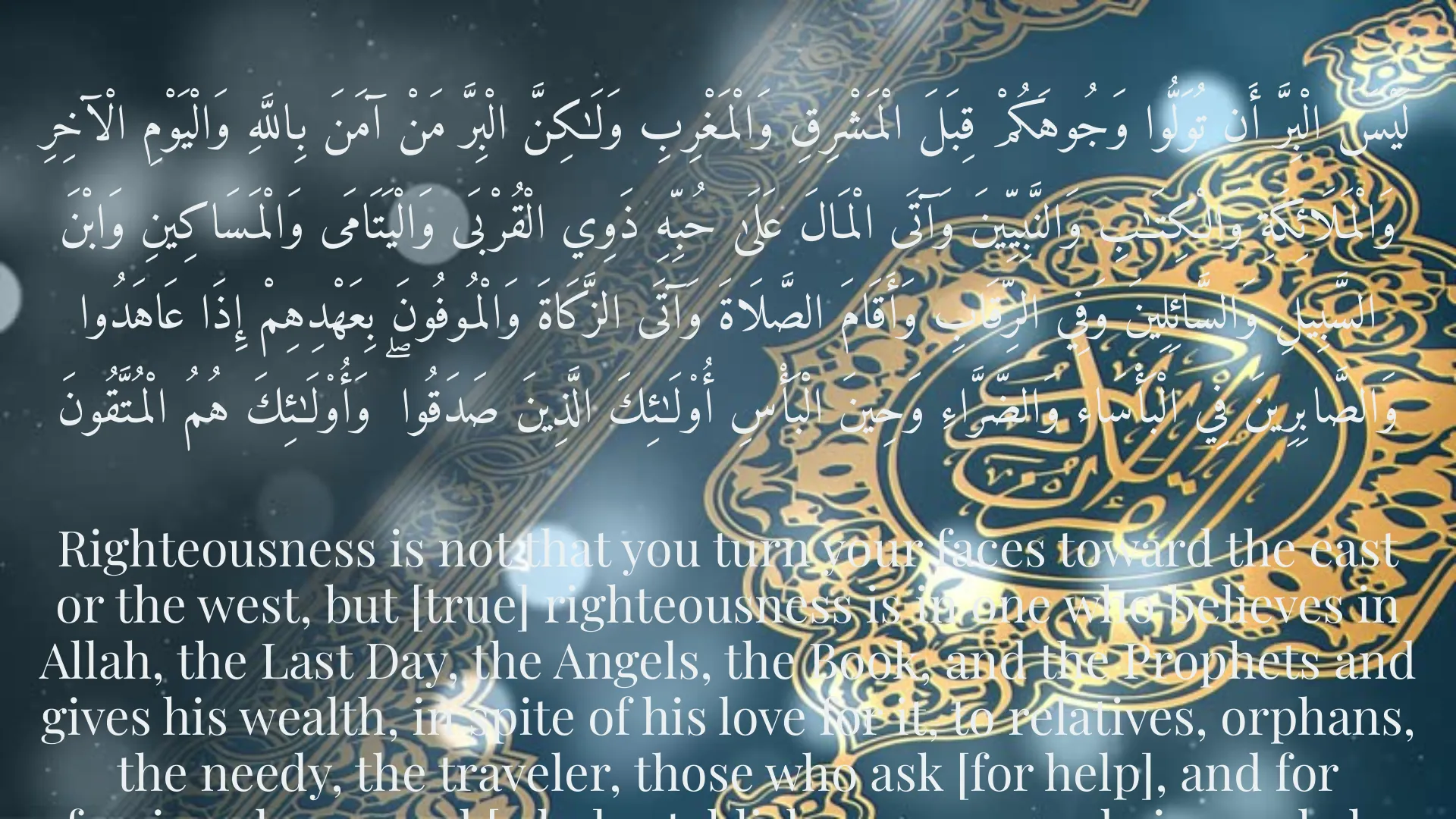
Consistency in worship is a fundamental pillar that reinforces individual faith and adherence to the divine commands prescribed in religious texts. The importance of regular engagement in acts of worship transcends mere ritualism; it is an avenue through which believers cultivate a deeper connection with the Divine and foster resilience against life's adversities. As highlighted in Surah Al-Baqarah, verse 177 of the Holy Quran, true faith is not merely expressed through verbal declarations, but rather it requires tangible actions and persistent dedication. This notion implies that faith must manifest through consistent acts of devotion, which in turn solidify one's understanding and commitment to the principles of the religion. ## The Role of Consistency in Worship In a world filled with challenges and setbacks, the practice of worship acts as a sanctuary for the believer. The regularity of prayer, fasting, and other prescribed acts of worship creates a sense of purpose and stability in the life of an individual. Worship becomes a refuge, a moment where one can reflect and recharge spiritually. The repetitive nature of worship rituals serves as a reminder of the omnipresence of God, reinforcing the belief that one is never alone even in the face of hardships. It is in these moments of sustained worship that individuals often find the strength to persevere and endure life's trials. Furthermore, engaging in worship consistently helps individuals to develop resilience. Surah Al-Mu'minun, verse 9, states that "believers are those who maintain their duties and obligations continuously." This scripture highlights the significance of perseverance in one's religious duties as a hallmark of true belief. Maintaining such a discipline helps to cultivate inner strength, enabling individuals to navigate through difficulties with a steadfast heart. The believer learns to trust in the plan of God and often finds solace during tumultuous times through the very act of consistent prayer and worship. ## The Impact of Worship on Daily Life The ramifications of consistent worship extend beyond the confines of religious observance and permeate daily life. Individuals who adhere to regular worship often exhibit a greater sense of calm, improved emotional stability, and an enhanced capacity to handle stress. Such emotional fortitude allows believers to approach challenges with a positive mindset, enabling them to make decisions that align with their spiritual values. Moreover, the spiritual growth stimulated by continuous acts of worship affects personal development. Consistent worship encourages ethical living, as it fosters a heightened awareness of one's actions and their consequences. Believers are more inclined to engage in righteous conduct, being constantly reminded of their moral obligations towards themselves and others. This ethical framework not only nurtures their spiritual lives but also enriches their interactions with the community, creating an environment conducive to mutual respect and understanding. The teachings of the Quran serve as guidance in every aspect of life. By engaging in regular acts of worship, one naturally adheres to the values instilled in them through their faith, promoting a lifestyle characterized by integrity and compassion. Over time, this consistency in worship cultivates a sense of accountability in the believer, leading them to reflect on their thoughts and actions with a critical lens. As such, their decisions tend to reflect wisdom and conscience, often aiming to uplift and support those around them. ## Discipline and Commitment through Worship The discipline required to maintain consistency in worship is also a testament to one’s commitment. It reflects positively across various dimensions of life, as individuals who practice steadfastness in their spiritual commitment often carry this discipline into other undertakings. Whether in professional obligations, family responsibilities, or social engagements, the principles of accountability and diligence gained from worship translate into a well-rounded character that is reliable and trustworthy. Faith provides a framework for behavior; therefore, individuals who prioritize their spiritual obligations often become leaders in their community, advocating for principles of justice and goodness. They become role models, demonstrating how consistent worship and faith can lead to meaningful contributions both personally and socially. ## Conclusion In conclusion, the importance of consistency in worship is profound and multifaceted. It goes beyond routine and enters the realm of spiritual vitality, directly influencing personal resilience, ethical decision-making, and overall quality of life. The ongoing commitment to worship cultivates not only a deepened connection with God but also lays the foundation for a disciplined, ethically-driven lifestyle. Each act of worship serves as a building block in the believer's spiritual journey, fostering a sense of peace and reassurance that is vital in navigating the complexities of life. Therefore, embracing the principles of consistency in worship is not merely an act of faith; it is an affirmation of one's existence and purpose in the grand tapestry of life.
Related Verses
لَيْسَ الْبِرَّ أَن تُوَلُّوا وَجُوهَكُمْ قِبَلَ الْمَشْرِقِ وَالْمَغْرِبِ وَلَـٰكِنَّ الْبِرَّ مَنْ آمَنَ بِاللَّهِ وَالْيَوْمِ الْآخِرِ وَالْمَلَائِكَةِ وَالْكِتَـٰبِ وَالنَّبِيِّينَ وَآتَى الْمَالَ عَلَىٰ حُبِّهِ ذَوِي الْقُرْبَى وَالْيَتَامَى وَالْمَسَاكِينِ وَابْنَ السَّبِيلِ وَالسَّائِلِينَ وَفِي الرِّقَابِ وَأَقَامَ الصَّلَاةَ وَآتَى الزَّكَاةَ وَالْمُوفُونَ بِعَهْدِهِمْ إِذَا عَاهَدُوا وَالصَّابِرِينَ فِي الْبَأْسَاء وَالضَّرَّاءِ وَحِينَ الْبَأْسِ أُو۟لَـٰئِكَ الَّذِينَ صَدَقُوا ۖ وَأُو۟لَـٰئِكَ هُمُ الْمُتَّقُونَ
Righteousness is not that you turn your faces toward the east or the west, but [true] righteousness is in one who believes in Allah, the Last Day, the Angels, the Book, and the Prophets and gives his wealth, in spite of his love for it, to relatives, orphans, the needy, the traveler, those who ask [for help], and for freeing slaves; and [who] establishes prayer and gives zakah; [those who] fulfill their promise when they promise; and [those who] are patient in poverty and hardship and during battle. Those are the ones who have been true, and it is those who are the righteous.
Al-Baqarah : 177
وَالَّذِينَهُمْ لِأَمَانَاتِهِمْ وَعَهْدِهِمْ رَاعُونَ
And they who are to their trusts and their covenant due.
Al-Mu'minun : 9
Short Story
One day, a young man named Amir was sitting by the river, lost in thought. He was truly searching for the meaning of his life. Suddenly, an old man walked by and asked, 'O young man! Why do you feel darkness in your heart?' Amir replied softly, 'I want to please God and remain steadfast in my faith.' The old man smiled warmly and said, 'Consistency in worship is the key to God's pleasure. Worship acts as ropes that pull you closer to Him and give you strength during hardships.' Amir reflected on the old man's words and, recalling the verses of the Quran, made a decision to remain steadfast in his worship.