Quranic Answer
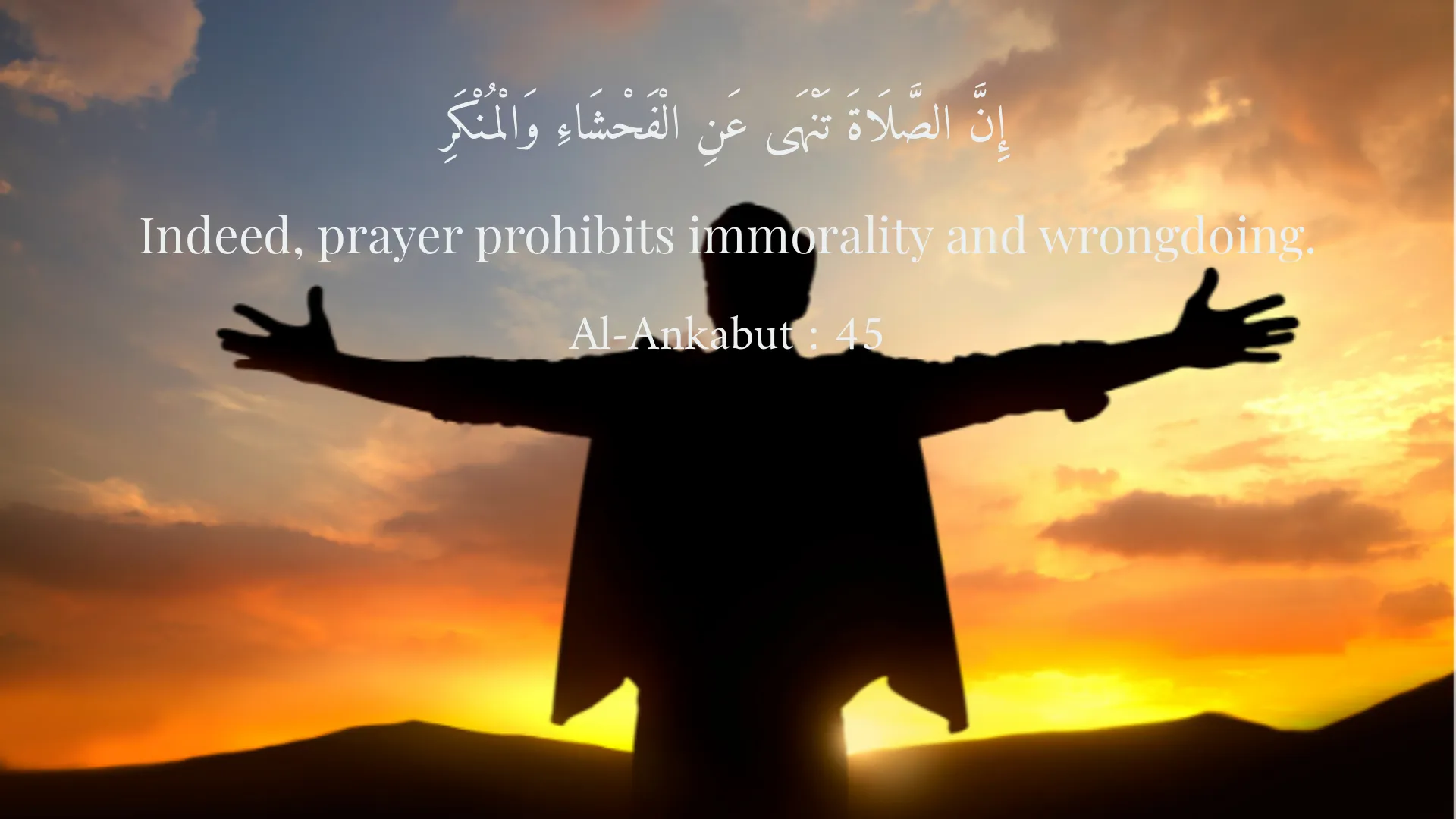
Prayer, as one of the main obligations of Islam, plays a very significant role in the lives of Muslims. The practice of prayer, known as Salah or Salat, is not simply considered an act of worship; it represents a profound and essential commandment from Allah (God) that serves as a cornerstone of Islamic faith. This article delves into the importance of prayer, its benefits, and its divine significance, enriching our understanding of its role in the lives of Muslims. One of the most compelling aspects that underscore the significance of prayer is the way it is portrayed in the Holy Quran. The Quran is filled with verses that encourage believers to maintain their prayers diligently, emphasizing their spiritual and worldly importance. For instance, in Surah Al-Ankabut, verse 45, Allah says: "Indeed, prayer prohibits immorality and wrongdoing." This powerful statement highlights how prayer acts as a deterrent to negative behavior and immoral acts, guiding the faithful towards actions aligned with righteousness and integrity. The Quran emphasizes that prayers not only connect us to God but also fortify our character, encouraging us to act ethically and justly. Furthermore, the Quran further stresses the importance of performing prayer at its designated times. In Surah Al-Baqarah, verse 238, it states: "Guard the prayers and the middle prayer and stand before Allah, devoutly." Here, the mention of the middle prayer (Asr) is particularly noteworthy. Maintaining awareness and adhering to the specific times of prayer is portrayed not just as a fulfillment of religious duty but as a pathway to strengthen one’s relationship with Allah. The practice of punctuality in prayer reflects discipline and devotion, reinforcing the idea that prayer is both a personal commitment and a communal obligation. Prayer, consequently, becomes a complex spiritual exercise that serves multiple purposes. On one hand, it is an act of worship that acknowledges Allah's greatness. On the other hand, it serves as a regular reminder of the divine presence in daily life, reinforcing the connection between the believer and their Creator. This bond is particularly significant in today’s fast-paced, often overwhelming world where distractions abound. Through the ritual of prayer, Muslims find an opportunity to disconnect from daily tribulations and reconnect with their spirituality. The benefits of prayer extend well beyond the spiritual realm. It is recognized to offer emotional and psychological advantages as well. Engaging in prayer provides individuals with a sense of peace and tranquility, which is crucial during stressful times. The act of bowing and prostrating (Sujud) during prayer serves as a physical manifestation of humility and surrender to Allah, which can lead to a deep sense of relief and catharsis. In times of anxiety or challenge, prayer becomes a refuge—a moment to pause, reflect, and seek divine guidance. Consequently, through the practice of prayer, believers can cultivate inner peace and resilience in the face of life's hardships. Moreover, the communal aspects of prayer enhance its significance. Muslims congregate for the Friday prayer (Jumu'ah) and other prayer services at mosques, promoting a sense of unity and solidarity among the community. Such gatherings foster a spirit of brotherhood and mutual support, reminding individuals that they are part of a larger faith community. This sense of belonging can be especially comforting in times of personal struggle. The shared energy, devotion, and purpose of collective prayer become a powerful reminder of the collective mission of Muslims to strive for righteousness and spiritual growth. It is essential also to discuss the mental discipline that prayer instills in adherents. Each prayer is both an obligation and a source of empowerment, encouraging Muslims to cultivate habits of mindfulness and focus. The daily practice of prayer encourages believers to spend time in reflection and contemplation, which has been shown in studies to improve mental health and overall wellbeing. Engaging in the rhythm of five daily prayers creates a structured routine that can lead to better time management and a balanced lifestyle. In addition to the benefits already explored, prayer also serves as an ethical compass that guides Muslims in making moral decisions. Regular engagement with the divine through prayer reminds believers of their responsibilities toward themselves, their families, and their communities. Through prayer, Muslims are inspired to lead lives characterized by compassion, generosity, and justice. The teachings encapsulated in prayer guide believers towards ethical behavior, urging them to contribute positively to society and avoid actions that harm others. In conclusion, prayer holds an irreplaceable position in the lives of Muslims. The significance of prayer extends far beyond the physical act itself; it embodies a vital connection with Allah, nurtures one's spiritual and emotional health, reinforces community bonds, and imparts ethical guidance. The Quran’s emphasis on the regularity and sincerity of prayer serves as a reminder of its transformative power. Every Muslim is encouraged to approach prayer not just as a ritual obligation, but as an opportunity for profound connection, self-reflection, and spiritual development. To this end, prioritizing prayer and giving it special consideration, particularly concerning its timing, becomes essential in leading a balanced, purposeful, and spiritually enriched life.
Related Verses
إِنَّ الصَّلَاةَ تَنْهَى عَنِ الْفَحْشَاءِ وَالْمُنْكَرِ
Indeed, prayer prohibits immorality and wrongdoing.
Al-Ankabut : 45
حَفِظُوا عَلَى الصَّلَوَاتِ وَالصَّلَاةِ الْوُسْطَى وَقُومُوا لِلَّهِ قَانِتِينَ
Guard the prayers and the middle prayer, and stand before Allah, devoutly.
Al-Baqarah : 238
Short Story
One day, a man named Sajjad was passing through the main square of the city. He always paid attention to the time of prayer and had vowed never to miss his prayers. He also decided to get closer to God with every prayer. One day, heavy rain fell, and he had to seek shelter in a place. While sitting there, he remembered his prayers and realized that prayer and connection with God brought him peace. Sajjad felt how beautiful this rain was and expressed his gratitude to God.