Quranic Answer
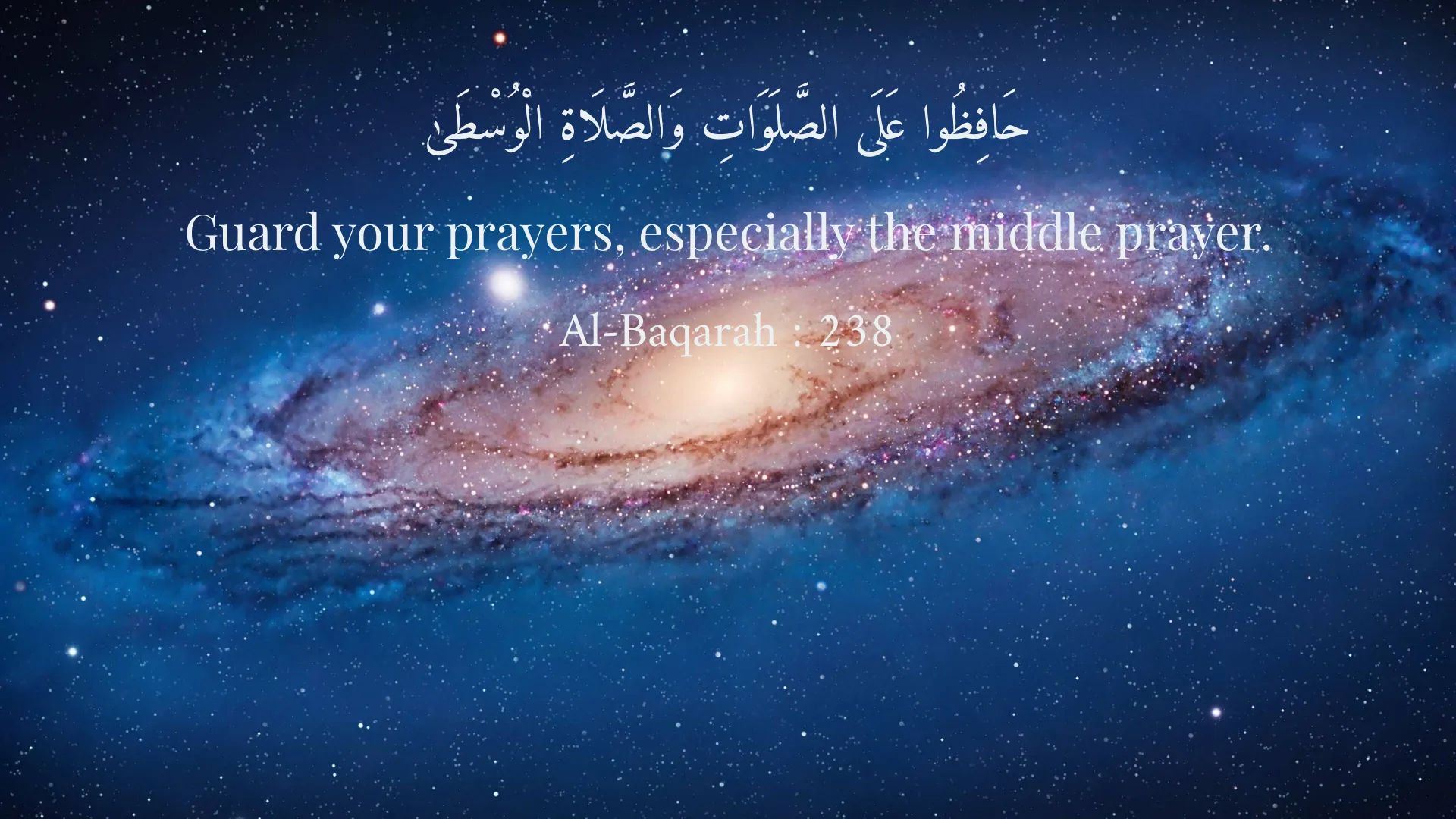
Prayer is one of the fundamental pillars of Islam, playing an essential role in the spiritual life of a Muslim. It serves as a direct line of communication between a believer and Allah, offering countless benefits ranging from spiritual growth to moral development. Among the most significant characteristics of this vital act of worship is the emphasis on performing it punctually. This notion is not merely a matter of keeping to a schedule; it is deeply rooted in the teachings of the Holy Quran, which commands believers to establish prayer at specific times. The divine instruction underlines the critical importance of dedication in religious observance and sets the framework for understanding the value of timely prayer. In the Holy Quran, Allah emphasizes the importance of prayer and its timing in various verses. One such verse can be found in Surah Al-Baqarah, verse 238, which states: “Guard your prayers, especially the middle prayer.” This verse explicitly highlights that the performance of prayers should not be taken lightly; it is an obligation that requires diligence and sincerity. The term 'guard' indicates that prayers are precious and should be treated with utmost seriousness. It suggests that prayer is not merely an act performed at convenience but rather a fundamental responsibility that demands a proactive approach. This indicates that Muslims should prioritize their prayers and integrate these spiritual moments into their everyday lives. The concept of time in prayer is further explored in Surah Al-Isra, verse 78, where Allah instructs: “And establish prayer at the decline of the night.” This command reflects the structured nature of worship within Islam. Every prayer is assigned a specific time, which underscores the importance of discipline and punctuality. By responding to these calls at designated times, believers enrich their spiritual journey and develop a deeper connection with Allah. The prompts to pray create a rhythm in the life of a Muslim, which helps maintain focus on spiritual matters amidst worldly distractions. One of the most profound aspects of performing prayer on time is the ability it affords believers to draw closer to Allah. Timeliness in worship represents not just an adherence to divine commands but also signifies one's desire to foster a robust rapport with the Creator. This intimacy cultivates a state of peace within oneself, transforming a seemingly mundane task into a deeply meaningful experience. Worship becomes more than a ritual; it morphs into a profound dialogue with Allah, allowing the believer to articulate their hopes, fears, and gratitude in a sacred space. Furthermore, timely prayer serves as an opportunity for gratitude and reflects upon one's blessings. Each obligatory prayer is not only a chance to seek forgiveness for past transgressions but also a moment to appreciate the myriad of gifts bestowed by Allah. It is suggested that reflecting on one’s life during these moments can enhance personal perspectives on gratitude and mindfulness. Believers can derive beneficial lessons from these recognized blessings, incorporating them into their daily lives and becoming more conscientious about their interactions with others. Moreover, performing prayers on time reinforces a sense of community among Muslims. When congregational prayers are held at specified moments, such as Jummah (Friday prayer), it serves as a collective reminder of faith and submission to Allah. Gathering with fellow believers to perform prayers creates an atmosphere of unity and shared devotion while fostering relationships built on mutual respect and understanding. This communal aspect encourages Muslims to support one another in their faith journeys, promoting a nurturing environment where individuals can grow spiritually together. The discipline acquired through regular and timely prayer can also have positive ramifications on a believer's personal life. The habit of setting aside specific times for prayer naturally encourages better time management skills and prioritization of tasks. When individuals experience the need to balance prayers with their daily obligations, they learn to allocate their hours effectively. This skill extends beyond the spiritual realm into their professional and social lives, leading to increased productivity and a clearer sense of purpose. Moreover, the practice of performing prayer on time can have lasting implications for mental health and emotional well-being. Engaging in worship provides significant benefits associated with tranquility and peace of mind. It has been established in various studies that religious practices, including prayer, can reduce stress, anxiety, and depressive symptoms. By creating a routine that incorporates moments of reflection and gratitude, believers help cultivate a mindset that accepts challenges with composure and resilience. In conclusion, performing prayer on time is more than just fulfilling a religious obligation; it serves as a testament to obedience, a springboard for spiritual growth, and a mechanism for developing personal discipline. The significance given to prayer timing in the Holy Quran underscores its crucial role in maintaining a strong relationship with Allah, promoting gratitude, mental well-being, and community cohesion. By guarding their prayers and observing them punctually, Muslims not only show their dedication to their faith but also enhance their overall quality of life, finding peace and fulfillment within their souls. Thus, timely prayer is essential not only for worship but as an avenue toward achieving spiritual tranquility and holistic development.
Related Verses
حَافِظُوا عَلَى الصَّلَوَاتِ وَالصَّلَاةِ الْوُسْطَىٰ
Guard your prayers, especially the middle prayer.
Al-Baqarah : 238
وَأَقِمِ الصَّلَاةَ إِذَا غَسَقَ اللَّيْلُ
And establish prayer at the decline of the night.
Al-Isra : 78
Short Story
One day, Ali was contemplating his prayers and concluded that if he prayed on time, he would feel a closer connection to God. The next day, he devoted himself wholeheartedly to praying on time and felt that his heart was calmer and his spirit shone brighter. From that day on, he decided not to miss any of his prayers and make the most of his moments of worship.