Quranic Answer
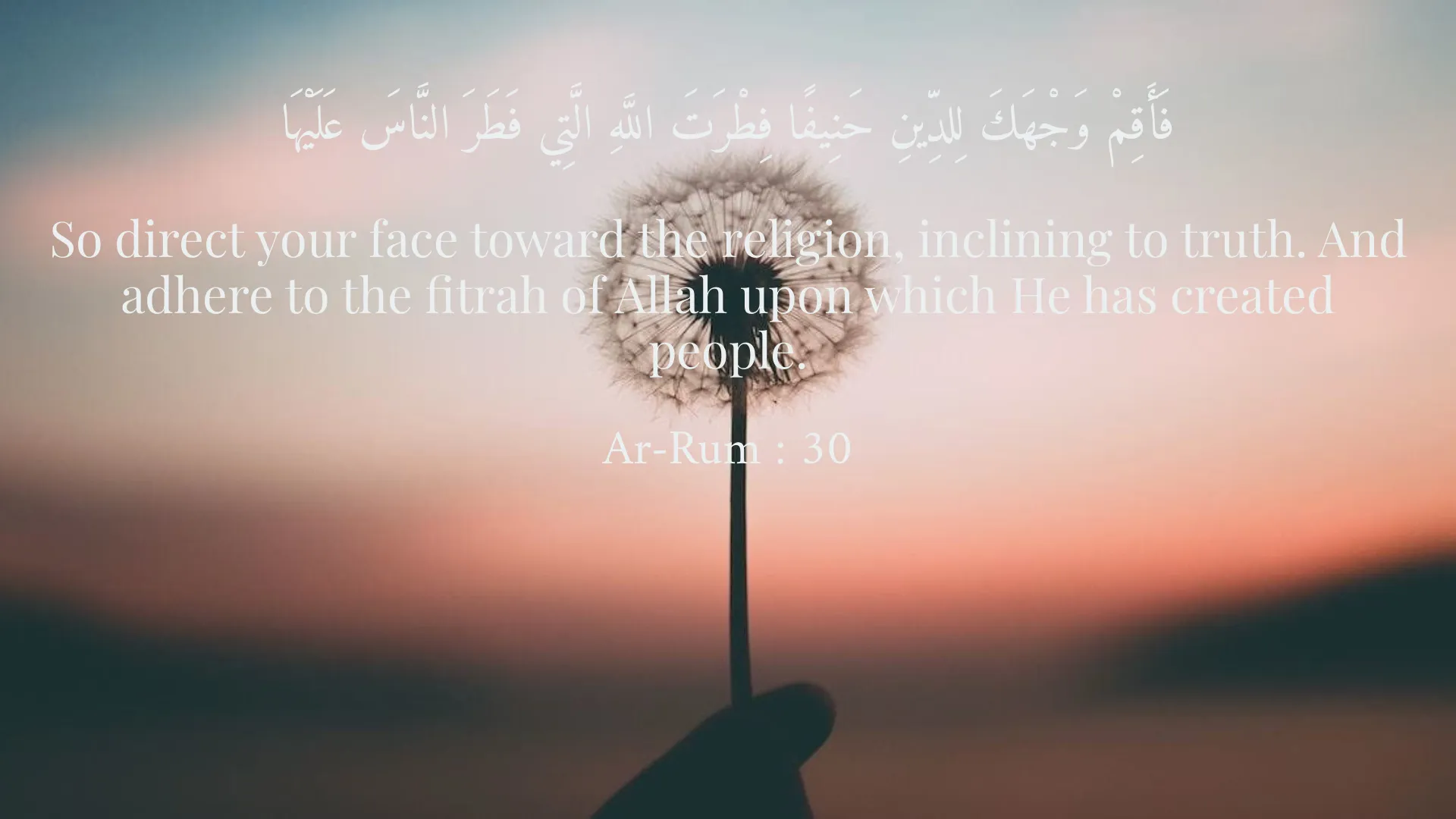
The Holy Quran is not merely a religious text; it is a profound guide for humanity that offers insight into the intrinsic nature of humans and their relationship with faith. It emphasizes that humans possess a belief-oriented nature and are inherently capable of comprehending aspects of faith. This fundamental understanding is articulated in various verses of the Quran, showcasing the importance of faith in human life. One of the prominent verses that encapsulate this idea is found in Surah Ar-Rum, verse 30, where it states: "So direct your face toward the religion, inclining to truth. And adhere to the fitrah of Allah upon which He has created people." The term 'fitrah' in this context refers to the natural disposition or innate understanding that Allah has bestowed upon each individual. This verse suggests that every human being is born with an inherent understanding of the divine and a tendency to seek truth. The Quran invites us to align ourselves with this intrinsic nature, implying that when individuals pursue their innate inclination towards truth, they are more likely to comprehend and accept faith. The relevance of this innate belief-oriented nature is further reinforced in Surah Al-Imran, verse 85, where Allah explains the essential role faith plays in human existence. The verse indicates, "And whoever desires other than Islam as religion—it will never be accepted from him, and he, in the Hereafter, will be among the losers." This assertion highlights that faith is a crucial component of our lives and that it goes beyond mere acknowledgment; it requires an active engagement with and commitment to one's belief system. The choice of faith is not arbitrary; it is deeply rooted in the disposition that Allah has instilled within us, guiding us towards the recognition of His existence and the acceptance of His commands. Moreover, in Surah Al-Baqarah, verse 282, we find an emphasis on the concept of free will and individual choice regarding faith. The verse advises believers to "Conduct their affairs by mutual consent." This limitation underscores the principle that individuals must come to their understanding of faith through their free will and personal experiences. The Quran does not impose faith; instead, it encourages individuals to make informed choices guided by their fitrah. By acknowledging that faith is a product of both internal understanding and external experience, the Quran emphasizes the dynamic interplay of choice and belief. The interplay between faith, choice, and human nature has significant implications for how we approach spirituality and personal growth. Understanding that people possess an innate orientation towards belief can foster a more compassionate and empathetic engagement with others. It allows individuals to realize that everyone is on their journey to understanding faith, shaped by their unique experiences, culture, and context. When we recognize and respect the distinct paths individuals take toward faith, we create an environment where people feel empowered to explore their beliefs without fear of judgment. The Quran encourages believers to guide others towards the truth while being mindful of their individual struggles and journeys. It is a call to be patient and supportive in our interactions, focusing on nurturing the inherent beliefs within others rather than pushing them toward doctrine. Furthermore, recognizing this belief-oriented nature can enhance community cohesion. When individuals come together to share and strengthen their faith, they contribute to a collective understanding of truth that uplifts the community as a whole. Faith, when pursued collaboratively, creates bonds and fosters understanding among different individuals, reinforcing the concept that while the journey towards faith is personal, it is enriched by communal interactions. In a broader context, this belief-oriented nature and the freedom of choice associated with faith can also shed light on the principles of religious tolerance. The Quran underscores the importance of understanding that faith is a deeply personal matter, and an individual's relationship with God cannot be dictated by external pressures or societal expectations. Emphasizing commonality in our fitrah allows us to bridge gaps between diverse belief systems, fostering dialogue and cooperation rather than division. Moreover, the Quran's advocacy for freedom of belief resonates with contemporary discussions about human rights and personal autonomy. In today’s globalized world, where individuals often grapple with conflicting beliefs and ideologies, the Quran’s teachings serve as a reminder that genuine faith cannot be forced, and attempts to do so only diminish its significance. By allowing individuals to derive their understanding of faith through free will, we promote a society where diversity in belief is celebrated rather than suppressed, fostering a culture of mutual respect and understanding. In conclusion, the Quran presents a profound perspective on the human condition, illuminating the innate belief-oriented nature that each individual possesses. This essential truth, reinforced through various verses, indicates that understanding faith is both an individual's journey and a collective pursuit. By recognizing the deliberate nature of faith and the importance of free will, we can guide others towards embracing their beliefs while supporting them in their unique processes. Ultimately, fostering an environment that honors personal growth in faith not only enriches individual lives but also promotes a more tolerant and understanding society. It is our responsibility to lead individuals back to their fitrah, helping them uncover the profound truths that lie within their hearts and minds, ultimately fostering a deeper, more authentic relationship with faith.
Related Verses
فَأَقِمْ وَجْهَكَ لِلدِّينِ حَنِيفًا فِطْرَتَ اللَّهِ الَّتِي فَطَرَ النَّاسَ عَلَيْهَا
So direct your face toward the religion, inclining to truth. And adhere to the fitrah of Allah upon which He has created people.
Ar-Rum : 30
وَمَن يَبْتَغِ غَيْرَ الْإِسْلَامِ دِينًا فَلَن يُقْبَلَ مِنْهُ وَهُوَ فِي الْآخِرَةِ مِنَ الْخَاسِرِينَ
And whoever desires a religion other than Islam - it will not be accepted from him, and he, in the Hereafter, will be among the losers.
Al-Imran : 85
يَاأَيُّهَا الَّذِينَ آمَنُوا إِذَا تَدَايَنتُم بِدَيْنٍ إِلَى أَجَلٍ مُّسَمًّى فَاكْتُبُوهُ
O you who have believed, when you contract a debt for a specified term, write it down.
Al-Baqarah : 282
Short Story
Once upon a time, there was a man named Rahman living in a remote village. He was always seeking answers to his questions. One day, he met an old man on his path, and they spoke about the complexities of faith. The old man said, 'My son, faith is within you; you only need to return to your true nature.' With deep contemplation on this statement, Rahman grew closer to God and the secrets of life, feeling a sense of peace within himself.