Quranic Answer
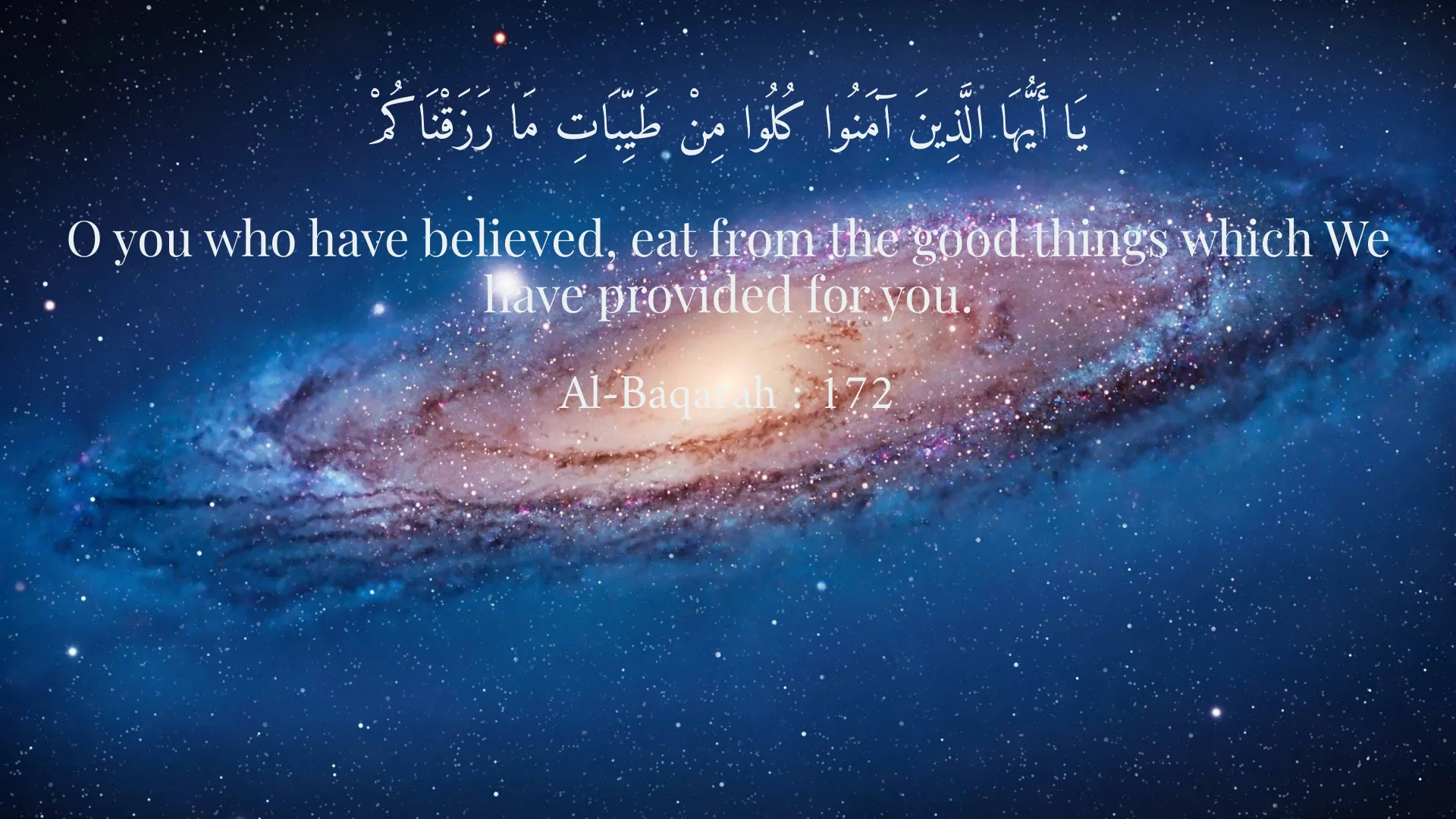
The Quran, the holy book of Islam, offers divine guidance in various aspects of life, including the significance of nutrition in maintaining both physical and spiritual well-being. Among the numerous topics discussed throughout its verses, nutrition stands out due to its crucial role in supporting human life and health. One of the central teachings within the Quran is the importance of starting the day with a nutritious breakfast, which serves as the foundation for the daily activities and responsibilities that lie ahead. By delving into the teachings of the Quran regarding nutrition, we uncover insights that encourage the consumption of wholesome food, the practice of gratitude for our blessings, and the fulfillment of both our physical and spiritual needs. The significance of breakfast as the first meal of the day cannot be overstated. It is the fuel that energizes us, setting the tone for the hours that follow. In Surah Al-Baqarah, verse 172, the Quran explicitly states: "O you who have believed, eat from the good things which We have provided for you." This verse serves not only as a reminder of the importance of healthy eating but also emphasizes the responsibility we hold as individuals to make conscious choices about our diet. Consuming nutritious and wholesome foods is not merely a recommendation; it is an obligation that we owe to our bodies and souls. As the Quran urges believers to eat from good provisions, it becomes essential for us to reflect on what constitutes "good things." In the context of breakfast, this translates into a meal rich in nutrients, vitamins, and minerals. A balanced breakfast should ideally include a variety of food groups such as fruits, vegetables, whole grains, and lean proteins. For instance, starting the day with a bowl of oatmeal topped with fresh fruits can provide the necessary carbohydrates, fiber, and essential vitamins to energize us. Similarly, incorporating vegetables into our breakfast can ensure an increase in the intake of micronutrients that support overall health. In addition to physical nourishment, it is vital to acknowledge the spiritual aspect of nutrition as described in the Quran. Nourishing our bodies with healthy foods is not just a matter of physical sustenance; it also has implications for our spiritual vitality. By prioritizing healthy eating, we fulfill our obligation to care not only for our physical form but also for our spiritual essence. This duality is an essential teaching of the Quran, which encourages us to approach all aspects of life in a balanced manner, including our diet. Moreover, the Quran frequently highlights the importance of gratitude for the abundant blessings that Allah has bestowed upon us. In Surah Ibrahim, verse 7, it states: "And when you give thanks, I will surely increase your favor upon you." This profound statement signifies that expressing gratitude is not only a moral responsibility but also has direct consequences on our lives. When we acknowledge the bounties of healthy food that enrich our lives, we open ourselves up to receiving more blessings in return. Therefore, making a conscious effort to nourish our bodies with wholesome foods becomes a form of gratitude—a way to honor the provisions given to us. When breakfast is approached with mindfulness and a sense of gratitude, it has the potential to become a sacred ritual that harmonizes the physical and spiritual realms of our existence. By dedicating a few moments each morning to reflect on the food before us, we cultivate a deeper appreciation for the sustenance provided by our Creator. This simple yet powerful act not only enhances our culinary experience but also reinforces our commitment to maintaining good health and well-being. While discussing the ideal breakfast choices, fruits emerge as a prominent component. The Quran speaks of various types of fruits as signs of divine generosity and nourishment. Consuming fruits such as bananas, berries, and apples contributes to a balanced diet that fuels the body with essential vitamins, antioxidants, and fiber. Furthermore, fruits can promote mental clarity and focus, essential qualities needed to tackle the challenges of the day. Similarly, vegetables play a critical role in promoting our health and are considered a vital aspect of a balanced breakfast. Incorporating vegetables into morning meals can significantly increase the intake of nutrients, improve digestion, and support overall physical well-being. On top of that, many vegetables have anti-inflammatory properties, which can boost the body's defenses against various ailments. Whole grains, such as brown rice, whole grain bread, and quinoa, are also essential ingredients to consider when crafting a nutritious breakfast. These foods provide sustained energy and aid in regulating blood sugar levels, which can contribute to better focus and productivity throughout the day. Additionally, they are rich in dietary fiber, which promotes healthy digestion. Furthermore, proteins are a valuable component of a balanced breakfast. Including sources of lean protein, such as eggs, Greek yogurt, or nuts, can enhance feelings of fullness and satiety, reducing the likelihood of unhealthy snacking later in the day. Consuming proteins alongside carbohydrates also aids in stabilizing energy levels and maintaining concentration. In conclusion, the teachings of the Quran regarding nutrition and the significance of breakfast profoundly impact our lives. It is a reminder that our physical health and spiritual well-being are interconnected, and making informed dietary choices can lead to a fulfilling and balanced life. By consuming nutritious foods such as fruits, vegetables, and whole grains, we honor our bodies and express gratitude for the blessings given to us. Embracing this holistic approach to nutrition ensures that we remain mindful of our health, which plays a crucial role in our overall happiness and success in this world and the hereafter. The Quran's teachings remind us that taking care of our bodies is not merely a personal endeavor; it is a spiritual duty we owe to ourselves, our families, and our communities. Therefore, let us approach each day with an intention to nourish our bodies and souls, starting with a wholesome breakfast that sets us on the right path.
Related Verses
يَا أَيُّهَا الَّذِينَ آمَنُوا كُلُوا مِنْ طَيِّبَاتِ مَا رَزَقْنَاكُمْ
O you who have believed, eat from the good things which We have provided for you.
Al-Baqarah : 172
وَإِذْ أَذْنَ فَكَشَكَرْتُمْ لَأَزِيدَنَّكُمْ
And when you give thanks, I will surely increase your favor upon you.
Ibrahim : 7
Short Story
One beautiful morning, Ali decided to prepare his breakfast better than ever. He thought about what materials would be beneficial for his health. He prepared fresh fruits, whole-grain bread, and a glass of milk. After having breakfast, Ali felt more energetic and uplifted. He realized that Allah mentioned food blessings in the Quran and he should be grateful.