Quranic Answer
In contemporary society, the relationship between the individual and the divine remains a topic of extensive exploration and contemplation. Within the framework of Islamic theology, the Holy Quran emerges as the paramount source of guidance, spirituality, and understanding of human interaction with God. A crucial aspect emphasized within its verses is the concept of direct communication with the Almighty, which serves as a testament to the intimate relationship between the Creator and the created. This article aims to explore the various verses within the Quran that shed light on the nature of this direct communication, especially focusing on Surah Al-Baqarah, verse 186, and Surah Al-Mu’minun, verse 60, emphasizing the significance of sincere supplications, the spiritual connection that transcends intermediaries, and the inherent accessibility of God. The Holy Quran is replete with assertions that affirm the possibility of direct dialogue between humans and God, enabling individuals to reach out for guidance, solace, and support without the barrier of intermediaries. One striking verse that encapsulates this idea is found in Surah Al-Baqarah, verse 186, where Allah states, "And when My servants ask you concerning Me, indeed I am near. I respond to the invoker when he calls upon Me." This profound pronouncement illustrates the immediacy of God's presence in the lives of His servants. It articulates that God is not a distant entity; instead, He is continuously accessible to His believers, eager to respond to their supplications and yearnings. This foundational aspect of divine interaction indicates that each person possesses the inherent ability to express their prayers and petitions at any moment, fostering a sense of empowerment in their spiritual journey. It eliminates the notion that intermediaries such as priests or prophets are necessary for effective communication with God, a belief that is especially liberating in a modern context filled with distractions and alienations. Consequently, individuals are encouraged to establish their own connection with their Creator and seek comfort through direct supplication, which is considered one of the purest forms of worship. However, the capacity for direct communication with God is not only a matter of accessibility but is also deeply rooted in the importance of intention and sincerity in prayer. The spiritual relationship between the believer and the Divine is enriched through genuine humility and authenticity. In this regard, Surah Al-Mu’minun, verse 60 adds another layer to this discourse by stating, "And those who are to their Lord do not associate [anything with Him]." This verse underscores the concept of monotheism (Tawhid) and highlights the significance of approaching God with unwavering sincerity and faith. By acknowledging the oneness of God and rejecting any form of polytheism or distraction in worship, believers pave the way for a profound and heartfelt connection with their Creator. The act of supplication, known as Du’a in Arabic, serves as a powerful manifestation of this relationship. When an individual calls upon God with a sincere heart and an earnest desire, the act transcends mere words; it becomes a dynamic interaction filled with emotion and spirituality. The Quran emphasizes that prayers are not confined to specific phrases or rituals, but are a heartfelt dialogue between the individual and the Divine, giving room for personal expression and honest communication. The essence of Du’a is its fluidity, allowing for spontaneous reflections of one’s desires, hopes, fears, and gratitude. As a result, the Quranic perspective reaffirms that this divine communication is not limited to a singular form or setting. A believer can engage in prayer in solitude, amidst nature, in a crowded room, or at any time of day or night. This versatility encourages individuals to cultivate a consistent and meaningful connection with God throughout their lives, transcending the confines of time and space. The emphasis on sincerity as highlighted in Surah Al-Mu’minun also implies that the recognition of God’s presence and the acknowledgment of one’s shortcomings and needs play a vital role in the efficacy of supplications. From a theological standpoint, the concept of God’s nearness and His responsiveness to the calls of His servants reinforces the belief in the personal relationship that each believer can establish with their Creator. Islamic tradition teaches that God is All-Hearing (As-Sami’) and All-Knowing (Al-Aleem), qualities that validate the importance of genuine prayer. This invites believers to enter into dialogues filled with vulnerability, courage, and trust. The interchange encourages a deeper understanding of one's intentions and facilitates spiritual growth and transformation. Engaging directly with God through prayer serves as both a spiritual balm and a source of empowerment. It invites individuals to share their burdens, joys, anxieties, and hopes candidly, thus promoting emotional well-being and inner peace. Moreover, such interactions can cultivate resilience and strength, especially when faced with life’s challenges. The knowledge that God is near and listening provides a comfort that is often sought in times of distress. Additionally, this direct communication fosters a sense of community among believers, as the shared experience of supplication connects individuals with a broader spiritual family. When gathering for communal prayers, such as during Ramadan or weekly congregational prayers, the collective supplication amplifies the personal connection each individual has with God, while reinforcing the bonds among the community members. The recognition that everyone's voice is heard by God creates an atmosphere of unity and shared faith, which is essential for personal and collective spiritual development. In conclusion, the Holy Quran presents a transformative understanding of how human beings can engage directly with God. Verses like Surah Al-Baqarah, verse 186, and Surah Al-Mu’minun, verse 60, affirm the Prophet’s teachings that establish an unmediated pathway to the Divine. The capacity for sincere, heartfelt prayer uplifts the believer’s spirits and supports their journeys toward fulfillment and enlightenment. This direct communication signifies not just a religious ritual but a profound relationship built on trust, sincerity, and love. As individuals embrace this relationship, they will find that their conversations with God foster meaning and purpose in their lives, shaping their spiritual and emotional well-being in the process.
Related Verses
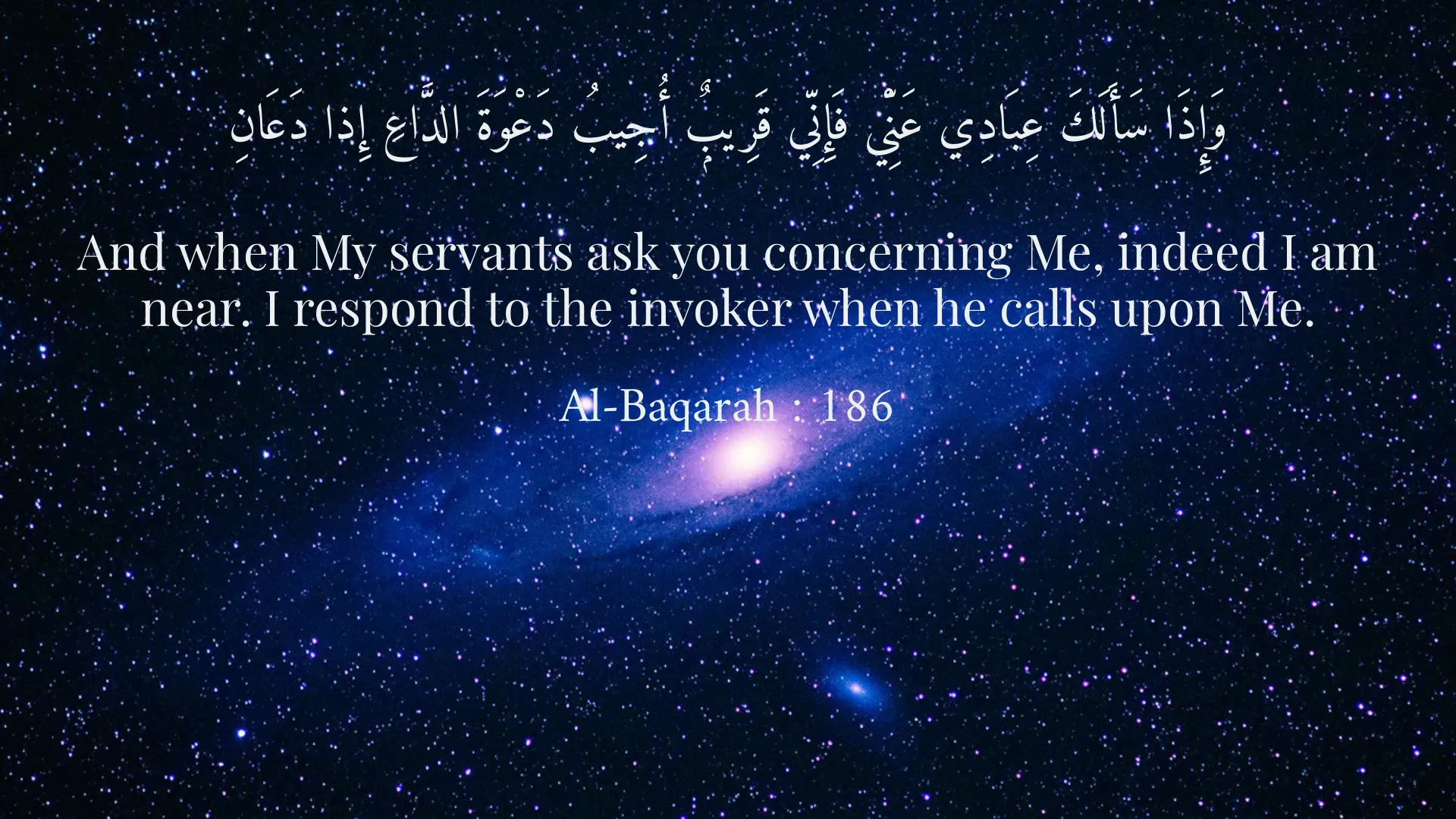
وَإِذَا سَأَلَكَ عِبَادِي عَنِّْي فَإِنِّي قَرِيبٌۭ أُجِيبُ دَعْوَةَ الدَّاعِ إِذا دَعَانِ
And when My servants ask you concerning Me, indeed I am near. I respond to the invoker when he calls upon Me.
Al-Baqarah : 186
وَالَّذِينَ هُمْ لِرَبِّهِمْ يُشْرِكُونَ
And those who are to their Lord do not associate [anything with Him].
Al-Mu'minun : 60
Short Story
Once there was a man named Hasan who greatly valued his connection with God. He prayed daily and recalled the Quranic verses that stated, 'I am near and hear the supplications of my servants.' Hasan decided to spend more time in prayer and worship. He told his friends, 'We don’t need an intermediary; we can talk to God every day and at any moment!' This simple yet profound connection filled his life with peace and hope.