Quranic Answer
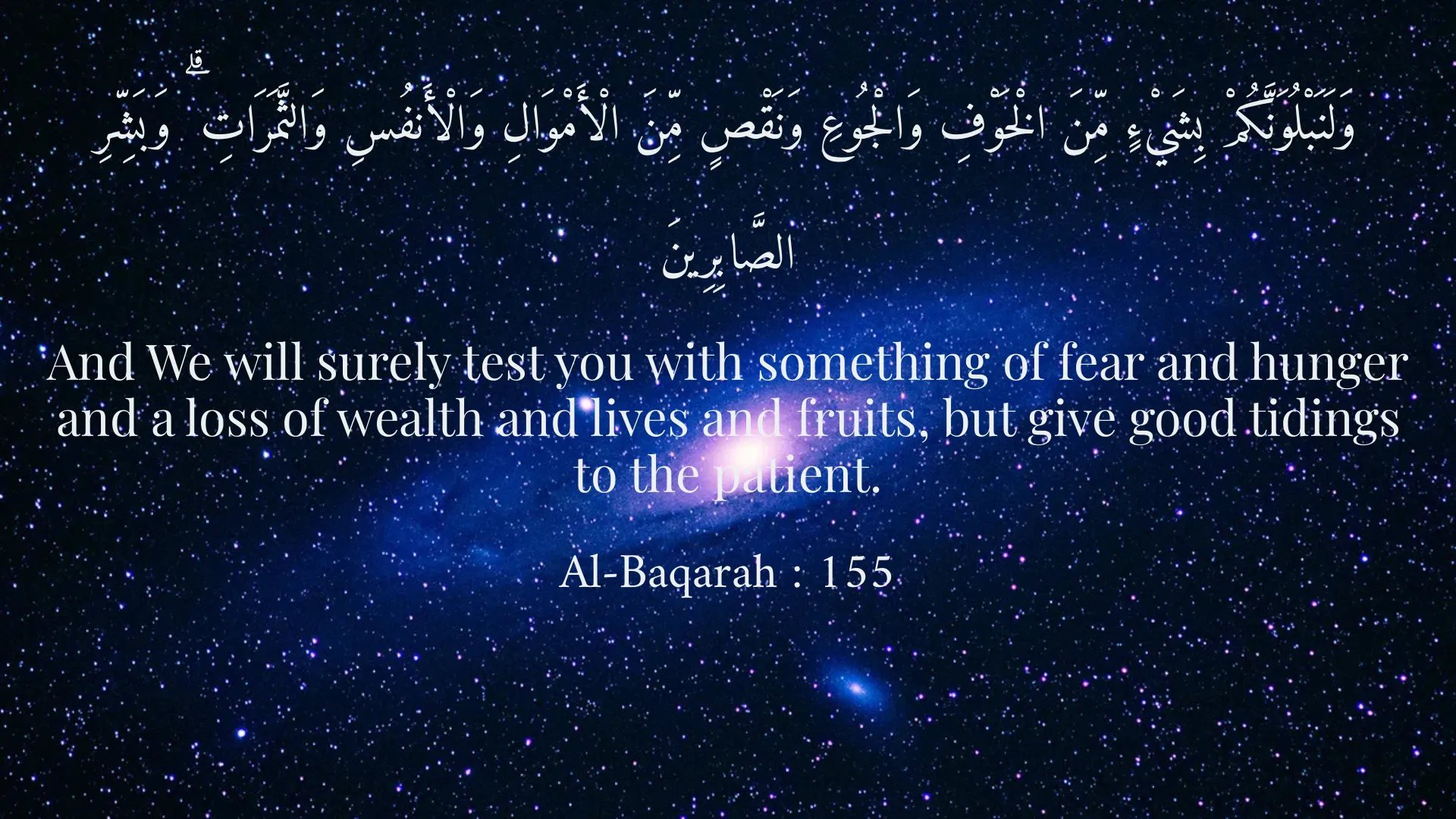
The Holy Quran, regarded by Muslims as the literal word of God, conveys profound insights into the nature of trials and tribulations. One of the essential themes echoed throughout its verses is the idea that Allah draws closest to His servants during times of hardship and difficulties. This central concept serves to illustrate the relationship between human experiences of suffering and the spiritual connection one can cultivate with the Divine. In the Quran, particularly in Surah Al-Baqarah, verse 155, Allah states: 'And We will surely test you with something of fear and hunger and a loss of wealth and lives and fruits, but give good tidings to the patient.' This poignant verse highlights Allah's intention behind the trials faced by individuals – to gauge their patience and unwavering faith. The essence of this verse suggests that life's challenges are not random occurrences but rather a part of a divine plan to evaluate the strength of our faith. Trials serve as a catalyst that drives us to search for God, fostering trust in His wisdom and power. The term 'good tidings to the patient' is particularly significant; it implicitly assures believers that perseverance in the face of adversity will lead to divine rewards. This assurance encourages followers of Islam to hold steadfast during tough times and to interpret their suffering as an opportunity to grow spiritually. Moreover, the Quran vividly illustrates that the journey of life is replete with trials that extend beyond mere physical struggles. In Surah Al-Anfal, verse 28, Allah reminds believers: 'And know that your properties and your children are but a trial and that Allah has with Him a great reward.' This verse serves to reassess our perceptions of wealth and familial bonds, demonstrating that both can be tests of loyalty to God. Instead of succumbing to despair due to loss or other hardships, believers are encouraged to recognize these experiences as methods of refining their relationship with Allah. It is interesting to ponder why Allah has designed the human experience to include suffering and trials. Theories abound, yet a central theme remains: hardship fosters human growth. Just as a seed must break open to grow into a tree, so too must human hearts often break in order to expand in compassion, understanding, and connection to the Divine. Pain often brings clarity, forcing believers to confront their vulnerabilities and to reach out to Allah for support, thereby deepening their faith. Furthermore, during times of distress, many individuals report feeling an increased sense of spirituality and connection to Allah. In moments of despair, the Divine becomes a source of comfort and peace. Believers find that through patience and faith, they can achieve a more profound understanding of God and seek His divine assistance more fervently. The journey through pain often amplifies the appreciation of the blessings one has, leading to greater gratitude and mindfulness. The narratives within the Quran serve as a reminder of the inevitability of hardship in life. Life, as articulated through the Quranic lens, is depicted as a series of tests designed to encourage personal and spiritual growth. Each trial presents an opportunity to reflect on one's own humanity, morals, and the essence of one's faith. Additionally, stories within Islamic tradition—such as those of the Prophets—serve as valuable sources of inspiration for enduring the trials in life. These narratives detail how figures like Prophet Job (Ayyub), faced devastating loss and suffering and remained steadfast in his trust in Allah. His story ultimately showcases the importance of maintaining faith despite the darkness of one’s circumstances. It is stories like these that underline the fact that difficulties can serve as profound teachers, leading individuals to not only enhance their character but to solidify their bond with the Creator. Patience, often referred to as 'sabr' in Arabic, becomes crucial during these trials. In the Quran, patience is not merely passive endurance; it is an active engagement that nurtures strength. Believers are invited to perceive their afflictions through a perspective of faith, understanding that suffering can lead to deeper insights and greater appreciation for life’s moments of peace and joy. Moreover, faith holds the power to transform individuals' perceptions towards trials, converting suffering into a profound form of worship. Physical and emotional burdens can become opportunities for prayer, reflection, and ultimately a closer relationship with Allah. The act of seeking solace in prayer or reading the Quran during tough times is seen as finding strength and comfort in the Divine. The consistent theme is that through sincerity in worship—especially during adversities—believers often find peace despite chaos. As the Quran teaches, understanding the nature of hardships is crucial to navigating life effectively. Allah’s presence is consistently made known, highlighting the vital relationship between divine love and the human experience. Believers are called upon not only to endure but also to recognize their trials as platforms for enhanced spiritual awareness and personal development. In conclusion, the Quran's teachings around hardship illuminate a path toward patience, faith, and resilience through trials. The tests of life serve a dual purpose: they measure the strength of one’s faith while simultaneously drawing us nearer to Allah. By embracing struggles with patience and a spirit of inquiry, individuals can cultivate a deeper understanding of themselves, their purpose, and their relationship with God. Hardships are effectively framed as essential growth experiences, molding us into resilient beings who recognize that every test carries within it an opportunity for spiritual elevation. In navigating their trials with faith, individuals can find solace and a profound reward, both in this life and the Hereafter.
Related Verses
وَلَنَبْلُوَنَّكُمْ بِشَيْءٍ مِّنَ الْخَوْفِ وَالْجُوعِ وَنَقْصٍ مِّنَ الْأَمْوَالِ وَالْأَنفُسِ وَالثَّمَرَاتِ ۗ وَبَشِّرِ الصَّابِرِينَ
And We will surely test you with something of fear and hunger and a loss of wealth and lives and fruits, but give good tidings to the patient.
Al-Baqarah : 155
وَأَنَّمَا أَمْوَالُكُمْ وَأَوْلَادُكُمْ فِتْنَةٌ ۖ وَأَنَّ اللَّهَ عِندَهُ أَجْرٌ عَظِيمٌ
And know that your properties and your children are but a trial, and that Allah has with Him a great reward.
Al-Anfal : 28
Short Story
One day, Adel was feeling anxious due to the troubles he faced in life. He decided to confront these challenges properly and thought about the verses of the Quran. By reciting the Quran, he was reminded that he could draw closer to God in difficulties and pray for help. From that day onwards, Adel faced his problems with a more open heart, feeling God's presence by his side.