Quranic Answer
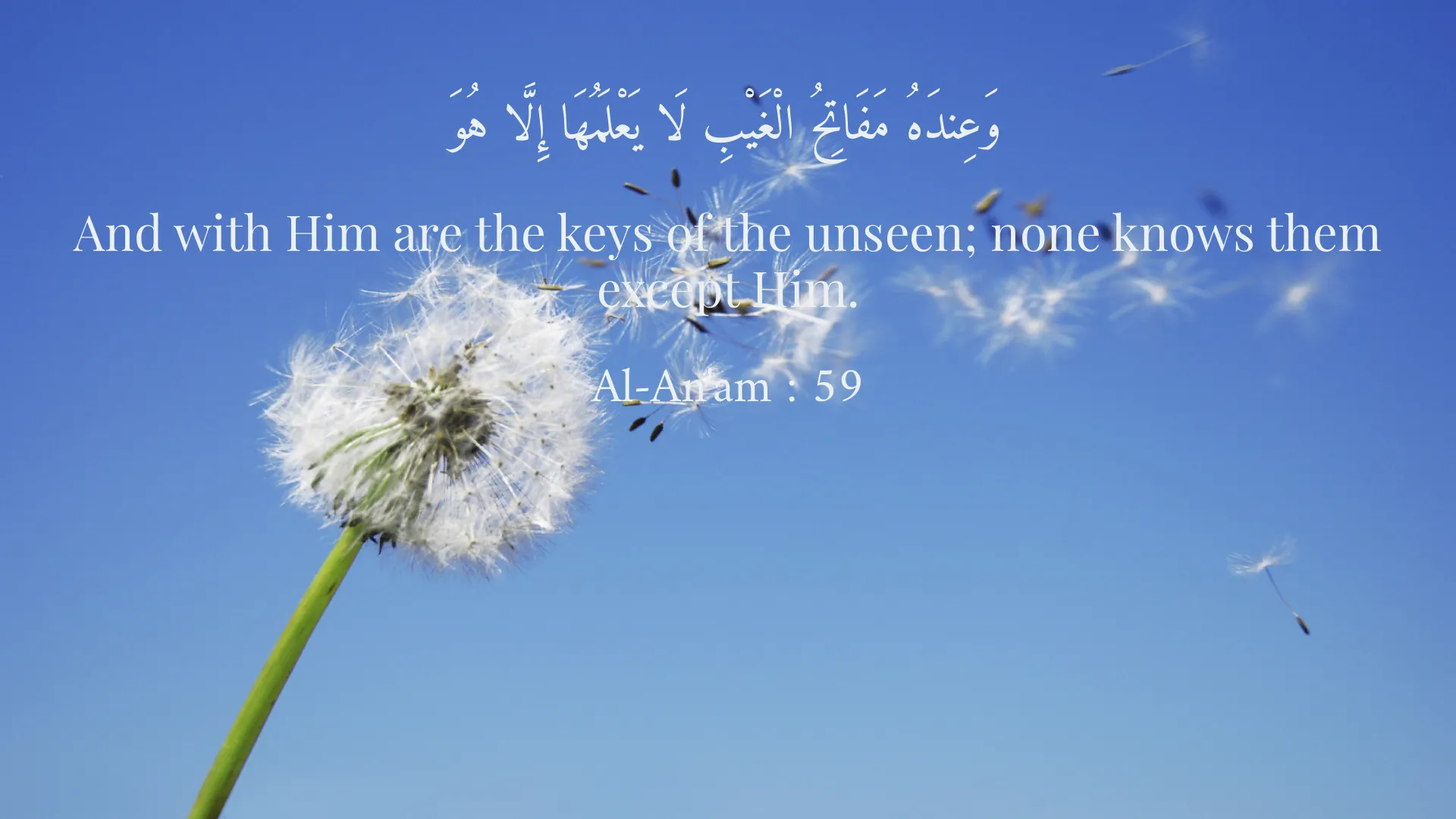
The Holy Quran, the fundamental religious text of Islam, emphasizes the profound concepts of fate and divine decree in several verses. These concepts embody a critical aspect of the Muslim faith, intertwining the ideas of predestination with the necessity of human effort. Understanding this delicate balance of divine will and human agency is vital for Muslims as it sculpts their worldview, ethical framework, and approach to life's challenges. To begin with, the Quran exalts the supremacy of Allah, the Creator, who possesses absolute knowledge. One of the most striking depictions of this is found in Surah Al-An'am, verse 59, which states: "And with Him are the keys of the unseen; none knows them except Him." This verse profoundly affirms Allah's omniscience and omnipotence, implying that all affairs of the universe, including the destinies of individuals, lie under His authority. This verse serves as a powerful reminder for believers, illustrating that while human beings endeavor for success, the ultimate outcomes remain with Allah's divine will. However, the Quran does not portray a deterministic worldview where human effort is rendered obsolete. In Surah Al-Najm, verse 39, Allah states: "And that there is not for man except that [good] for which he strives." This verse signifies a pivotal concept in Islamic thought: that one is rewarded and measured by their efforts. The necessity of striving instills a profound sense of responsibility upon individuals, emphasizing that while Allah has knowledge of all outcomes, human efforts play a crucial role in achieving them. This duality is essential for Muslims, as it fosters an understanding of human experience grounded in both faith and action. Believers are taught that they must actively pursue righteousness and excellence in their lives, embodying the principle of continuous effort. This is further supported by numerous accounts and teachings from the Prophet Muhammad (peace be upon him), who emphasized hard work, dedication, and striving for goodness in every aspect of life. The Quran presents humanity with a dignified status, commanding that they serve as vicegerents or stewards of the Earth. This responsibility underlines the importance of seeking perfection not only in worship but also in fulfilling worldly duties. As highlighted in Surah Al-Baqarah, Allah says: "He it is who has made you successors upon the earth..." (Quran 35:39). This verse encapsulates the idea that human beings have a divine mandate to work diligently and make meaningful contributions to the world around them. Thus, it is logical that an acceptance of divine decree complements an unwavering commitment to progress and effort in life. Consider the narrative of the prophets within the Quran as examples in this regard. Each prophet faced significant challenges and opposition in their missions yet exhibited relentless perseverance and effort in fulfilling Allah's commands. Prophet Musa (Moses) confronted Pharaoh's tyranny not simply with faith, but through strategic action and resilience. His narrative showcases that, although Allah had divined the ultimate outcomes, the endeavor and courage displayed in seeking liberation were critical. In this way, the Quran inspires believers to recognize that striving, despite seemingly insurmountable difficulties, is part of the human condition and responsibility. Furthermore, integrating these concepts into daily life enhances the understanding of destiny and responsibility. For Muslims, accepting that outcomes are governed by divine decree instills a sense of trust and patience in Allah's wisdom. When faced with tribulations or delays in achieving desired results, this belief fosters resilience and hope. However, this does not negate the necessity for individuals to take action — rather, it emphasizes the synergy between faith and effort. The story of the companion of the Prophet Muhammad who trusted in Allah's plan while still taking the means to achieve business success is a testament to this principle. So, how can Muslims harmonize belief in fate with the necessity of endeavor? One way is through setting goals that align with Islamic teachings, continuously seeking growth and improvement in various facets of life. Education, ethical conduct in professional settings, charitable deeds, and community involvement are all arenas where individuals can manifest their efforts while maintaining faith in Allah's overarching plans. Additionally, developing a mindset of gratitude and acceptance toward outcomes, whether favorable or not, allows Muslims to remain optimistic and engaged in the journey of life. In essence, a lifecycle of striving aligned with faith forms a compelling narrative in Islam. The belief in Allah’s divine decree provides solace and perspective, while the urgency to exert effort in daily undertakings cultivates a proactive and dynamic faith experience. This balance encourages Muslims not only to accept fate but also to recognize their capability and responsibility to shape their circumstances through effort. In conclusion, the teachings of the Holy Quran invite believers to have unwavering faith in Allah and His divine decree while concurrently placing a significant emphasis on human responsibility and endeavor. While the belief in fate is intrinsic to Islamic theology, it should never be misinterpreted as an endorsement of passivity or complacency. Instead, it is an invitation to actively engage with the world, to strive for personal excellence, and to act righteously, believing that through such efforts, individuals fulfill their divine purpose and contribute to the broader good of society. Thus, a balanced understanding of these concepts fosters a fruitful approach to life that combines faith with action, responsibility with surrender, and trust with effort.
Related Verses
وَعِندَهُ مَفَاتِحُ الْغَيْبِ لَا يَعْلَمُهَا إِلَّا هُوَ
And with Him are the keys of the unseen; none knows them except Him.
Al-An'am : 59
وَأَن لَيْسَ لِلْإِنْسَانِ إِلَّا مَا سَعَى
And that there is not for man except that [good] for which he strives.
An-Najm : 39
Short Story
One day, Ali was contemplating his life. He wondered how he could achieve his goals while also having faith in divine decree. He decided to make tireless efforts while remembering that the outcomes ultimately lie in the hands of Allah. After some time, Ali managed to achieve many of his aspirations. Looking back, he realized how important this combination of faith and effort truly was.