Quranic Answer
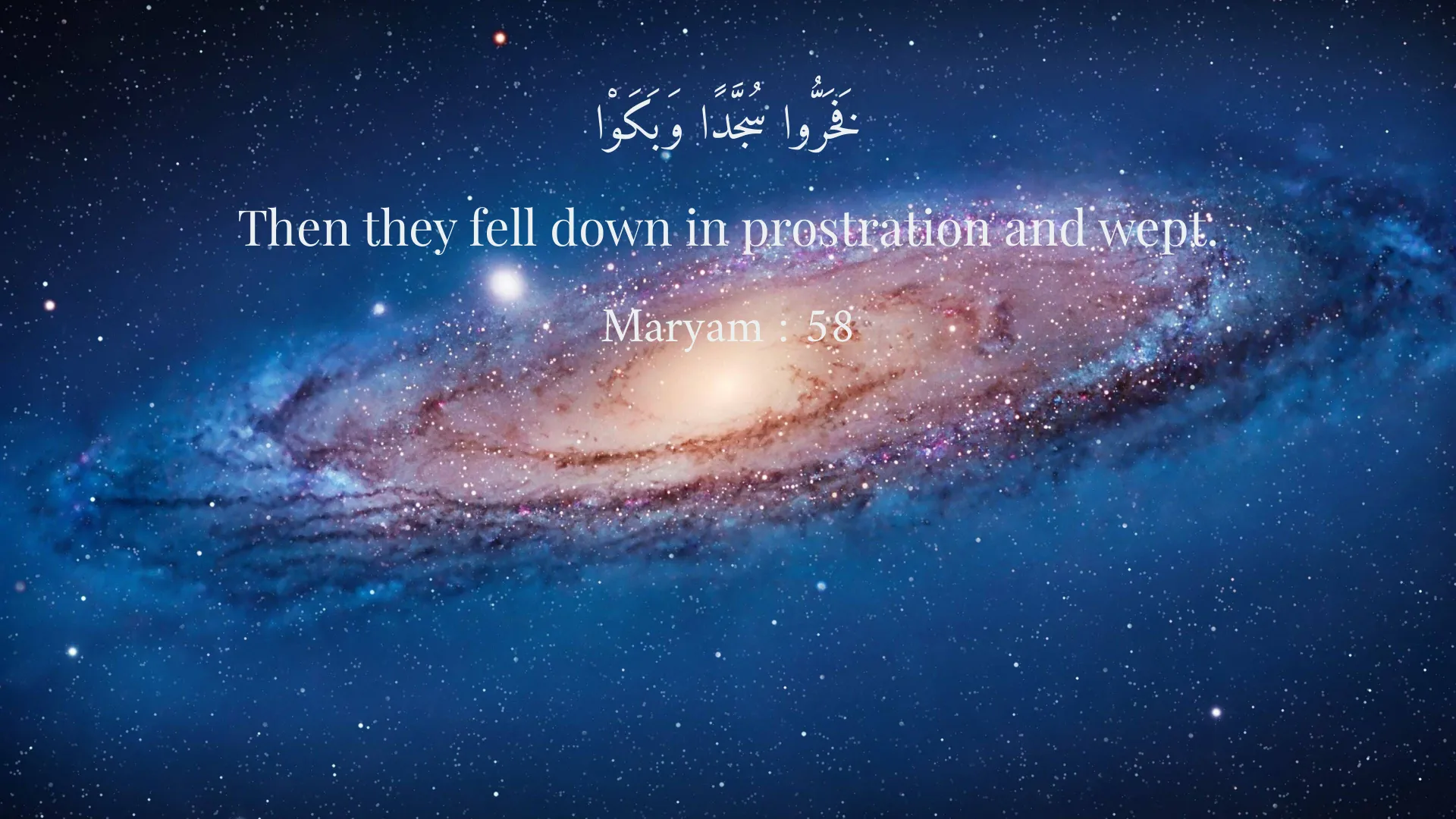
Crying out of fear of God is regarded as a positive emotional state and a virtue in Islamic literature and is acknowledged in the verses of the Quran. In the Quran, Allah advises humans to fear the consequences and wrath that He has set forth, and to remember Him in tears. This crying is not just an expression of fear, but also a manifestation of love for and attachment to God. In Islamic teachings, emotional responses are profoundly connected to one’s faith, and crying or weeping in the remembrance of Allah holds a significant position in the spiritual journey of a believer. The Quran serves as a guidance for humanity, emphasizing the importance of living a life that is conscious of the divine presence. Fear of God, or "taqwa," is considered a core tenet of Islamic faith. It encourages individuals to remain mindful of their actions and the consequences they may face in the hereafter. This fear is not meant to be paralyzing but rather life-affirming and motivating. It acts as a catalyst for positive change and self-improvement. One salient instance reflecting this is found in Surah Maryam, verse 58, which states: "And when they remember the torment of their Lord in fear, they fall into prostration and weep." This verse illustrates that weeping in front of Allah because of fear of His punishment is a sign of deep faith and piety. The act of prostration is one of utmost humility, reminding believers of their status as servants of Allah who are ultimately accountable for their deeds. Thus, falling into prostration while weeping represents a profound acknowledgment of one’s limitations and the vastness of divine mercy. It illustrates a dynamic interplay between fear of punishment and the pursuit of divine mercy, inducing a state of humility and subservience. Moreover, in Surah Al-Baqarah, verse 59, it is stated: "The believers are those who when the name of Allah is mentioned, their hearts tremble, and when His verses are recited to them, it increases them in faith and they fall prostrate weeping." The trembling of hearts signifies the deep emotional connection that true believers have with their Creator. This emotional response is not a sign of weakness but of powerful faith—indicative of a heart that is in constant remembrance of God. These verses highlight the value and significance of crying out of fear of God as a means to draw nearer to Him and express love and worship. In this context, crying is not merely a physical act; it is an actual manifestation of the inner state of faith and devotion. It is through this sincere emotional expression that believers seek forgiveness and strive for a closer relationship with Allah. In Islam, the concept of love and fear of God is intricately woven together. While the fear of God can act as a deterrent from sinful actions, the love of God encourages believers to engage actively in righteous deeds. This duality is essential for nurturing one's spirituality. Crying serves as an expression of both elements—acknowledging one’s shortcomings and seeking the loving forgiveness of God. Allah’s mercy is vast and exceeds His wrath, and thus, fear should ideally lead to a loving relationship where one recognizes their need for divine compassion. The act of crying in fear of God can be traced back to various anecdotes from the life of Prophet Muhammad (peace be upon him) and his companions. The companions were known for their immense fear of God, which coexisted harmoniously with their love and devotion. They often engaged in prayers and supplications that were filled with tears, showcasing their emotional engagement with their faith. In times of distress, these companions would often reference their fear of the repercussions of their actions, praying for mercy while being acutely aware of their mortality. It is said that the best of believers are those who fear Allah the most and during prayers are moved to tears. From these examples and teachings, it becomes clear that crying from fear of God is a pathway to spiritual elevation. Believers understand that acknowledging their fear and vulnerability can lead to personal growth and greater closeness to Allah. The journey of faith is not always smooth and may entail struggles, doubts, and fears; however, it is in these moments of vulnerability that believers can seek refuge in Allah’s boundless mercy. In contemporary society, where emotional expressions are often suppressed or seen as a sign of weakness, the Islamic perspective encourages a balanced approach where fear, love, and repentance are viewed as virtues. Crying from fear of God can serve as a reminder for individuals to maintain their humility, recognizing that they are part of something far greater than themselves—the divine will of Allah. It is an invitation to constantly seek forgiveness and strive for righteousness. The spiritual practice of crying not only alleviates emotional burdens but also serves to fortify one’s faith. It connects believers with generations of Muslims who came before them, all experiencing similar feelings of awe and reverence before the divine. This transhistorical link reminds believers that they are part of a larger community guided by the same principles laid out in the sacred texts. In conclusion, crying out of fear of God embodies a profound emotional state intertwining love and reverence for the divine. It enhances one’s spirituality and solidifies one’s connection with Allah. In essence, this act is a manifestation of deep faith that reflects humility, devotion, and the desire for closeness to the Creator. By understanding and valuing this emotional response, believers can affirm their commitment to faith while drawing upon the benevolent mercy that Allah extends towards those who sincerely turn to Him in humility and tears. Therefore, it can be concluded that crying out of fear of God not only carries a reward but is also one of the signs of true faith and affection towards Him.
Related Verses
فَخَرُّوا سُجَّدًا وَبَكَوْا
Then they fell down in prostration and wept.
Maryam : 58
إِنَّمَا الْمُؤْمِنُونَ الَّذِينَ إِذَا ذُكِرَ اللَّهُ وَجِلَتْ قُلُوبُهُمْ وَإِذَا تُلِيَتْ عَلَيْهِمْ آيَاتُهُ زَادَتْهُمْ إِيمَانًا
Indeed, the believers are those who, when Allah is mentioned, their hearts tremble; and when His verses are recited to them, it increases them in faith.
Al-Baqarah : 59
Short Story
One day, a young man named Hasan was struggling with the worries of life in his middle age. One day, he sat by the sea and spoke to God in his heart. Out of fear of God's punishment and affection for Him, tears welled in his eyes as he recalled the verses of the Quran. He felt that every time he cried for God, he not only found peace but also attracted love and mercy from Him. This experience significantly impacted Hasan’s life, allowing him to find tranquility and hope.