Quranic Answer
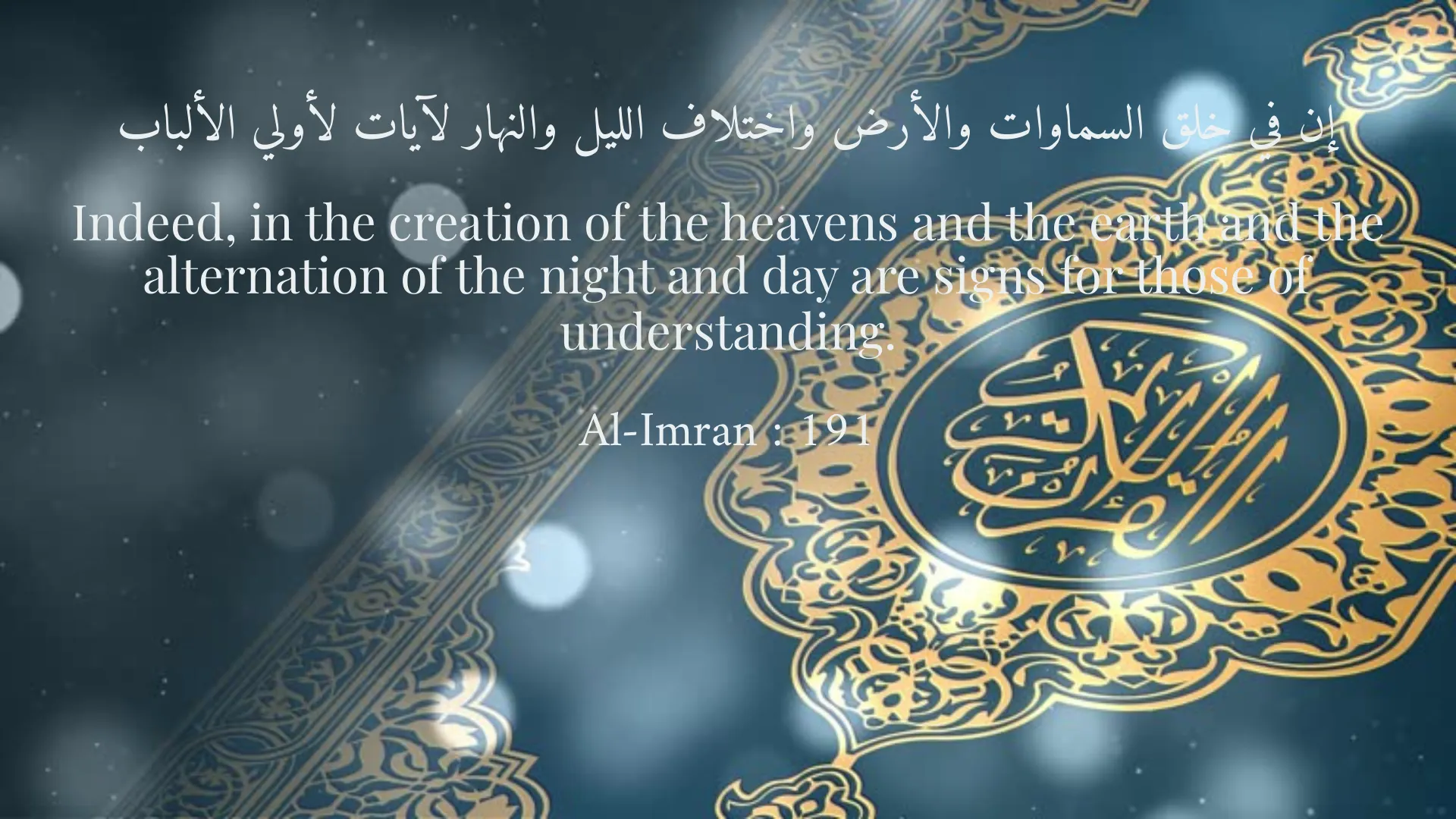
Faith, often discussed in various cultural, philosophical, and religious contexts, is a complex concept that has been explored deeply in the Islamic tradition, particularly within the Quran. In Islam, faith is described as not merely an abstract belief but as a heartfelt acceptance of and belief in the existence of God (Allah), His messengers, and the reality of the afterlife. However, this understanding of faith is not intended to suggest blind acceptance or a lack of questioning. Instead, the Quran encourages believers to engage thoughtfully and critically with their faith, to reflect, and to seek knowledge. Throughout history, divine prophets, including the final messenger of Islam, Prophet Muhammad, have consistently encouraged individuals to exercise their intellect and reasoning as part of their spiritual journey. The Quran explicitly calls on believers to think and reflect upon the creation of the universe and the signs of God's existence manifest within it. In Surah Al-Imran, verse 191, Allah states: "Indeed, in the creation of the heavens and the earth, and the alternation of the night and the day... there are signs for those who reflect." This verse serves as a profound reminder that contemplation and introspection are essential components of a strong and resilient faith. Instead of advocating for unquestioning belief, the Quran presents faith as a dynamic process that is rooted in inquiry and understanding. Believers are urged to examine the signs around them as a way to reinforce their belief in God and the principles of their faith. True faith, as articulated in the Islamic tradition, is founded on knowledge and inquiry. It is this questioning and exploration that can lead individuals to a deeper understanding of significant theological concepts and their implications in life. The questioning of beliefs and doubts is often viewed as a critical aspect of personal and spiritual growth. Struggles with belief are not mere obstacles but rather opportunities for individuals to seek a more profound understanding of God's attributes, the purpose of life, and ethical living. The importance of this reflective approach can also be seen in the works of theologians and scholars within the Islamic tradition who have emphasized intellectual discourse and debate as crucial to understanding faith. Moreover, Prophet Muhammad's teachings reinforced the significance of using one’s intellect and reasoning to comprehend God. The Prophet emphasized that faith should not be a passive endeavor but a thoughtful engagement with religious teachings. In his many sayings, he encouraged followers to seek knowledge and understanding as essential aspects of faith. This encouragement aligns with the Quranic perspective that faith and knowledge are interconnected. For instance, in Surah An-Nahl, verse 125, it states: "Invite to the way of your Lord with wisdom and good instruction, and argue with them in a way that is best..." This verse highlights not only the importance of persuasive and wise communication regarding faith but also the need for a rational and understanding approach to religious matters. This brings us to the conclusion that faith, in the Islamic context, must be substantiated by strong evidence and understanding. It should not exist in a vacuum, detached from inquiry and personal exploration. In light of this understanding, believers are encouraged to embrace their doubts and questions, seeking answers that resonate with them on both an intellectual and emotional level. This engagement can enrich one’s faith and lead to a more profound understanding of God, the universe, and one’s own place within it. As individuals navigate their spiritual journeys, they are reminded that the quest for knowledge and the pursuit of truth forms the backbone of genuine faith. In doing so, they cultivate a relationship with their belief system that is vibrant, authentic, and deeply rooted in reflection and inquiry. Thus, faith, rather than being a static acceptance, transforms into a dynamic journey of understanding, exploration, and ultimately, connection with God.
Related Verses
إن في خلق السماوات والأرض واختلاف الليل والنهار لآيات لأولي الألباب
Indeed, in the creation of the heavens and the earth and the alternation of the night and day are signs for those of understanding.
Al-Imran : 191
أدع إلى سبيل ربك بالحكمة والموعظة الحسنة وجادلهم بالتي هي أحسن
Invite to the way of your Lord with wisdom and good instruction and argue with them in a way that is best.
An-Nahl : 125
Short Story
One day, a student named Ali was at university, reading the Quran and pondering over its verses. He realized that the Quran invites him to contemplate and think about his faith. He thought to himself, "Why should I accept this blindly? I must know what I believe in and why!" From that day on, Ali decided to explore further and learn more about his faith and beliefs. He approached his professors with his questions and eventually strengthened and deepened his faith.