Quranic Answer
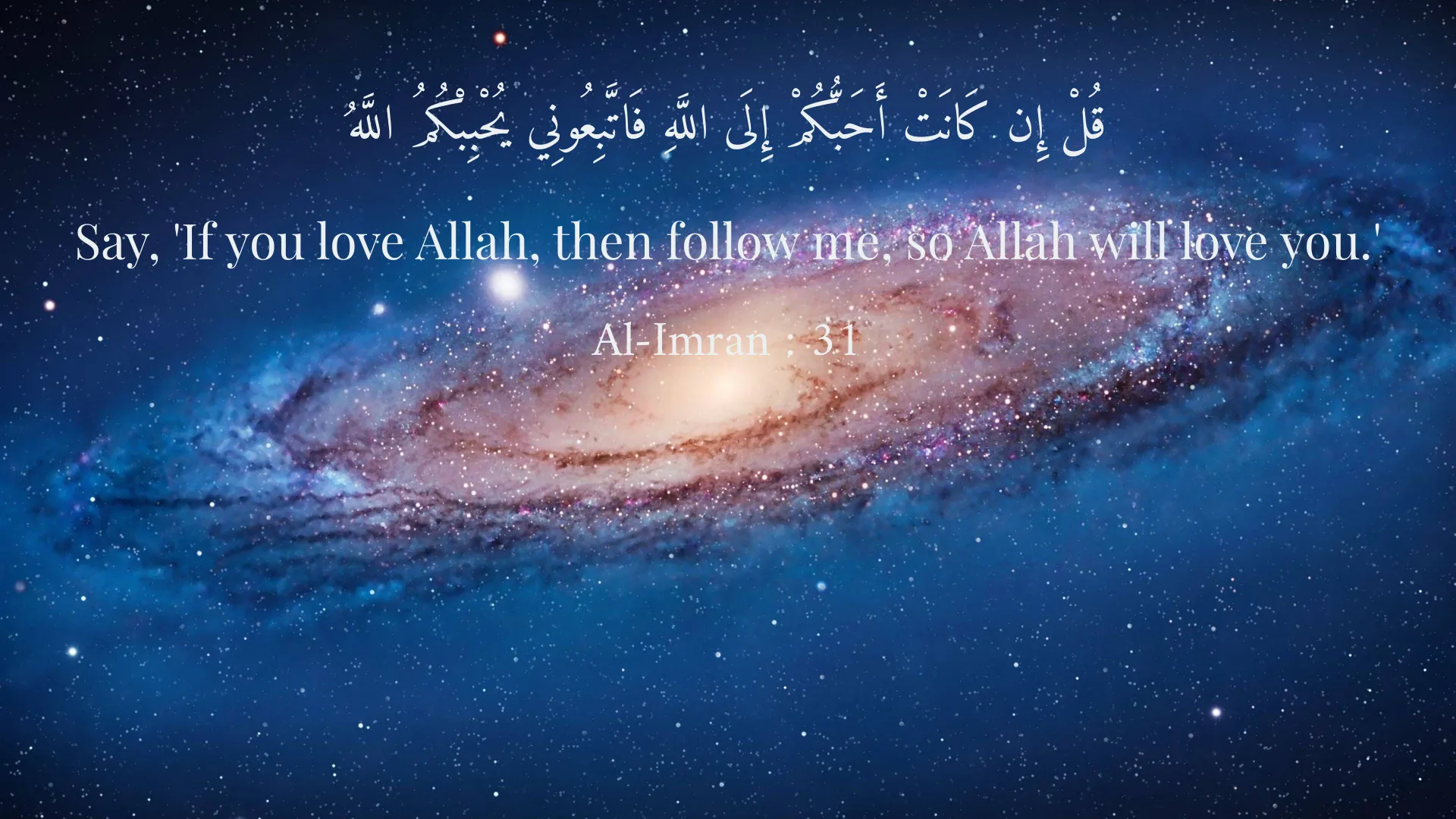
The concept of divine love and mercy occupies a central place in the realm of Islamic theology. The Holy Quran, regarded as the ultimate source of guidance for Muslims, elaborates on the nature of God's love for His servants through various verses. This article aims to explore the multifaceted depiction of God's love in the Quran, emphasizing how this love is contingent upon human actions, intentions, and adherence to His commands. In Surah Al-Imran, verse 31, we discover a profound statement regarding the relationship between God and His followers. Allah commands the believers to "Say, 'If you love Allah, then follow me, so Allah will love you.'" This verse highlights a critical aspect of divine love: it is conditional. Here, God lays down a framework that stipulates that true love for Him involves the act of following the Prophet Muhammad (PBUH). This command underscores the importance of obedience and adherence to the teachings of the Prophet, showing that God’s love is not given lightly but in recognition of the believer's commitment to faith and guidance. Moreover, this premise is further reinforced in Surah Al-Maidah, verse 54, where Allah promises love and affection to those believers who submit to Him. The verse states that if one truly believes in Allah and performs righteous deeds, He will cherish them. This portrays a reciprocal relationship between the Creator and His creation. The essence of worship, belief, and righteous conduct transcends mere rituals; it signifies a deep-rooted faith in Allah's infinite mercy and love. Consequently, believers are encouraged to engage in actions that align with God's expectations, fostering a loving relationship based on mutual respect and understanding. Additionally, in Surah Al-Baqarah, verse 222, Allah expresses His affection for those who repent and maintain cleanliness. The verse reads, "Indeed, Allah loves those who repent and those who are purified." This highlights the idea that divine love is readily accessible for those who exhibit humility and sincerity in their quest for forgiveness. This not only emphasizes God's mercy but also establishes the concept that no matter how far one strays from the path, there is always an opportunity to return. The concept of repentance in Islam is not confined to mere words; it requires a genuine intention to amend one's actions and seek forgiveness from the Almighty. This acknowledgment of human imperfection and the necessity of repentance bolster the notion that God's love is inclusive and encompassing. It reveals a profound understanding that humans are fallible and, therefore, need to continuously strive for improvement and redemption through good deeds and sincere repentance. Divine love, as presented in the Quran, is multi-dimensional. It is an interplay of God's inherent mercy and the servant's actions. This relationship is reflective of God's ultimate hope for His servants: that they thrive, develop spiritually, and aspire to attain a higher level of consciousness and closeness to Him. Allah desires the well-being of His creation, encouraging them to engage in acts of kindness, justice, and charity, and to foster a loving relationship with their fellow beings as an extension of their love for God. The Quran is replete with reminders of God's mercy and love. Surah Az-Zumar, verse 53 emphasizes this beautifully, stating, "O My servants who have believed, do not despair of the mercy of Allah. Indeed, Allah forgives all sins. Indeed, it is He who is the Forgiving, the Merciful." This verse not only illustrates God's forgiveness but also serves as an uplifting message to believers to maintain hope and faith in His boundless mercy. It reassures individuals that no matter the depths of their transgressions, they are always welcomed back into the fold of divine love through true repentance and commitment to righteousness. The Quran also illustrates that God's love extends beyond individual acts of worship; it incorporates the larger aspects of nurturing love within families and communities. In Surah Ar-Ruml, verse 21, Allah expresses, "And among His signs is that He created for you from yourselves mates that you may find tranquility in them; and He placed between you affection and mercy. Indeed, in that are signs for a people who give thought." This verse serves to remind believers that relationships grounded in love, compassion, and mercy reflect the divine love manifested in human connections. In summary, the Quran encapsulates the essence of God's love and mercy as being both profound and conditional. While it emanates from His essence and pure nature, it necessitates sincere actions and intentions from His servants. The teachings emphasize that divine love is not just about individual adherence to faith but encompasses repentance, righteousness, and the fostering of love within interpersonal relationships. Thus, it is concluded that the relationship between God and His servants is not one-sided; it is a reciprocal exchange of love, mercy, and righteous conduct. The divine love is ever-present, waiting for the recognition and action of the believer to manifest fully. Through the exploration of these verses and their implications, we gain valuable insights into the nature of divine love and how it enhances the journey of faith for every believer.
Related Verses
قُلْ إِن كَانَتْ أَحَبُّكُمْ إِلَى اللَّهِ فَاتَّبِعُونِي يُحْبِبْكُمُ اللَّهُ
Say, 'If you love Allah, then follow me, so Allah will love you.'
Al-Imran : 31
يَا أَيُّهَا الَّذِينَ آمَنُوا مَن يَرْتَدَّ مِنكُمْ عَنْ دِينِهِ فَسَوْفَ يَأْتِي اللَّهُ بِقَوْمٍ يُحِبُّهُمْ وَيُحبُّونَهُ
O you who have believed, whoever of you should revert from his religion - Allah will bring forth [for] a people He will love and they will love Him.
Al-Maidah : 54
إنَّ اللَّهَ يُحِبُّ التَّوَّابِينَ وَيُحِبُّ الْمُتَطَهِّرِينَ
Indeed, Allah loves those who repent and loves the physically clean.
Al-Baqarah : 222
Short Story
One day, a man went to the mosque with many worries. He sat in a corner and prayed for God to love him. After some time, he realized that God is pleased with those who strive for goodness. He promised himself to try harder to be righteous, and he began to notice changes in his life. Day by day, he felt God's love surrounding him.