Quranic Answer
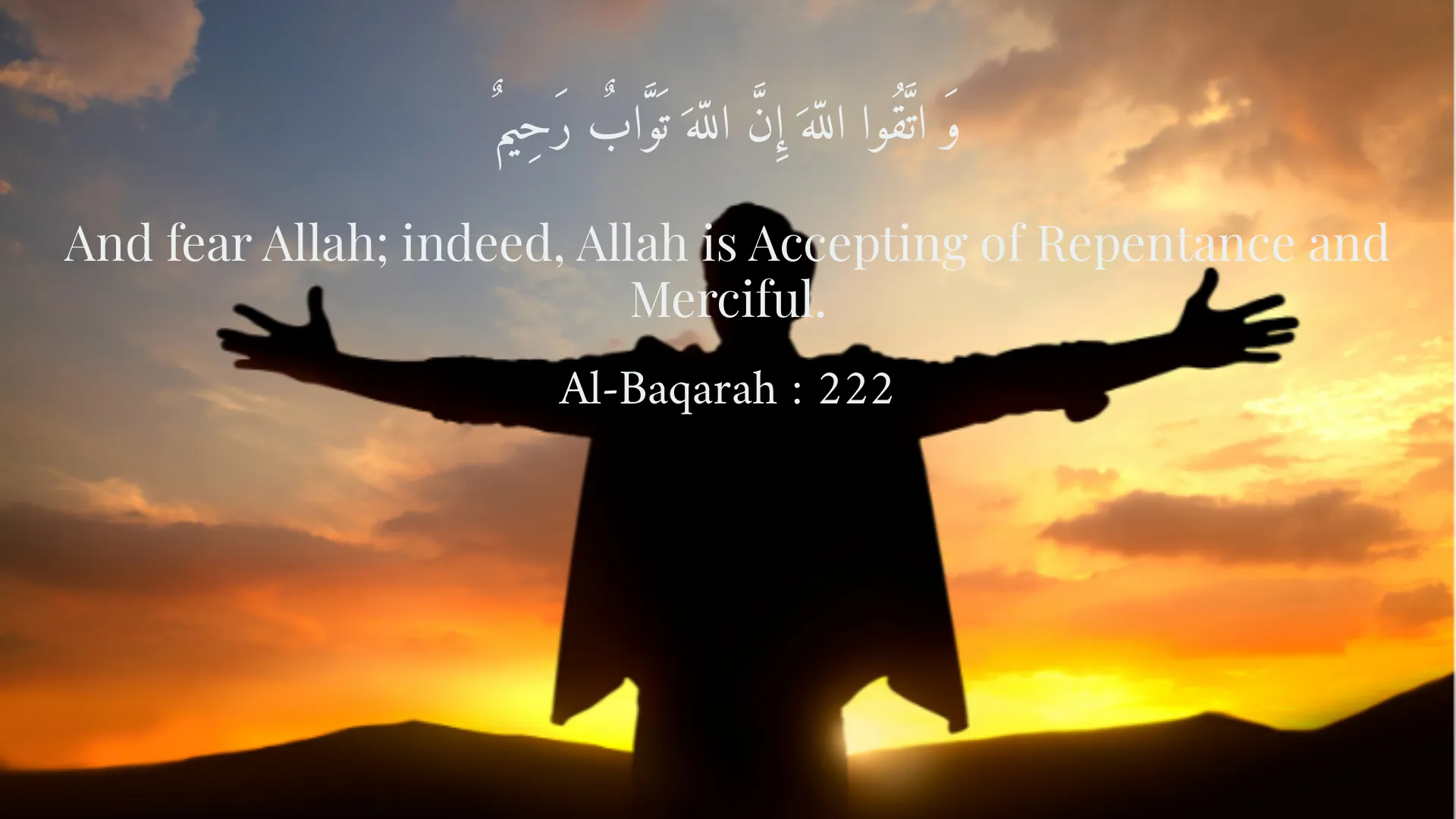
In the Holy Quran, one of the most profound and comforting concepts is God's love for His servants. This divine love serves as a cornerstone of Islamic theology and provides insight into the nature of the relationship humans have with their Creator. The Quran emphasizes that Allah not only loves His creatures but is also particularly merciful to those who turn back to Him in repentance. Throughout its verses, the Quran invites individuals to acknowledge their shortcomings and seek redemption through sincere repentance, reinforcing the notion that God is not only a judge but also a loving and compassionate entity. The significance of God’s love in Islam cannot be understated. It serves as an underlying motivation for believers to live righteous lives and align their actions with divine principles. Understanding this love instills hope and encourages individuals to pursue a path of righteousness, knowing full well that Allah is always ready to accept their return and forgive their sins. For instance, in Surah Al-Baqarah, verse 222, Allah states, "And fear Allah; indeed, Allah is Accepting of Repentance and Merciful." This verse highlights two fundamental aspects of God's relationship with humanity. Firstly, it calls upon believers to maintain a sense of piety and awareness (taqwa) in their actions. Secondly, it assures them of Allah's readiness to forgive those who sincerely repent. This duality underscores the balance between divine justice and mercy, allowing believers to feel secure in the knowledge that they can always seek forgiveness irrespective of the magnitude of their transgressions. Furthermore, in Surah Al-Ma'idah, verse 54, Allah declares, "O you who have believed, whoever of you should revert from his religion – Allah will bring forth for the people He will love them and they will love Him." This verse emphasizes the reciprocal nature of divine love and human devotion. God not only supports and protects those who believe and abandon sinful actions, but He also positions Himself as their ally. It draws attention to the idea that true love is characterized by mutual commitment; as believers strive to leave behind their transgressions, they receive God's love and support in return. The concept of love in the Quran is also portrayed as transformative. Those who turn back to Allah, accepting their mistakes and expressing remorse, experience a spiritual revival. The act of repentance (tawbah) is not merely an emotional response but a profound shift in one’s heart and actions, illustrating a change in direction toward a life that reflects divine guidance. The Quran provides numerous examples of figures who repented and were subsequently embraced by Allah's love and mercy. These narratives serve as powerful reminders that no one is beyond the reach of God's grace and that every individual has access to the path of redemption. However, it is crucial to highlight that God’s love is conditional. In various verses, the Quran stresses the importance of performing righteous deeds and acting in accordance with Allah's teachings. For instance, Surah Al-Imran, verse 31 mentions: "Say, 'If you [really] love Allah, then follow me, so Allah will love you and forgive you your sins.'" This interconnectedness of love, obedience, and forgiveness indicates that while God is merciful, there is an expectation for His servants to actively seek to align their lives with His will. Moreover, maintaining a loving relationship with Allah also requires effort and sincere dedication. Individuals are encouraged to engage in acts of worship, charity, and service to others as manifestations of their love for Him. This serves to deepen their faith and enhance their relationship with the divine. The Quran speaks about the virtues of good deeds and their ability to attract divine mercy, emphasizing that acts of kindness, compassion, and justice are all reflections of one's love for Allah. Additionally, Allah's love extends beyond individual relationships to encompass the broader Muslim community (Ummah). The concept of brotherhood is integral to Islamic teachings, and believers are urged to support one another, reflecting God's love through their interactions and solidarity. The Prophet Muhammad (peace be upon him) emphasized the importance of community ties, wherein believers are likened to a building, each supporting the other – showcasing the collective nature of faith and divine love. Acknowledging God's love also fosters an environment of psychological resilience among believers. The understanding that they are unconditionally loved by their Creator provides solace during trials and challenges. It emphasizes that, despite their sins and shortcomings, the door for forgiveness remains open and that they are never alone in their struggles. This supportive perspective nurtures hope and motivates individuals to strengthen their faith and strive for self-improvement. In conclusion, the love of Allah for His servants is a profound theme woven throughout the Quran. It serves as a guiding light for believers, inviting them to recognize their faults and strive towards righteousness with the assurance of divine mercy awaiting them. Allah's love is not blind; it calls for repentance and goodness, establishing a dynamic relationship where both divine and human love interact meaningfully. Believers are reminded that through repentance, righteous actions, and the cultivation of community ties, they can experience an enriching relationship with Allah that fosters spiritual growth and fulfillment. As long as individuals continue to strive for a life of integrity and devotion, they can rest assured in the knowledge that God’s love will envelop them, guiding their paths and illuminating their journeys toward a righteous life.
Related Verses
وَ اتَّقُوا اللّهَ إِنَّ اللّهَ تَوَّابٌ رَحِيمٌ
And fear Allah; indeed, Allah is Accepting of Repentance and Merciful.
Al-Baqarah : 222
يَا أَيُّهَا الَّذِينَ آمَنُوا مَن يَرْتَدَّ مِنكُمْ عَنْ دِينِهِ فَسَوْفَ يَأْتِيَ اللّهُ بِقَوْمٍ يُحِبُّهُمْ وَيُحِبُّونَهُ
O you who have believed, whoever of you should revert from his religion - Allah will bring forth [for] a people He will love and who will love Him.
Al-Ma'idah : 54
Short Story
One day, a man named Hasan was going through difficult times. He felt distant from God and was enveloped in sadness. Remembering the verses of the Quran, he decided to repent and return to God. He raised his hands to the sky and asked for forgiveness. The moment he expressed his sincere and pure intention, he felt an incredible peace in his heart. He sensed that God had drawn closer to him and loved him.