Quranic Answer
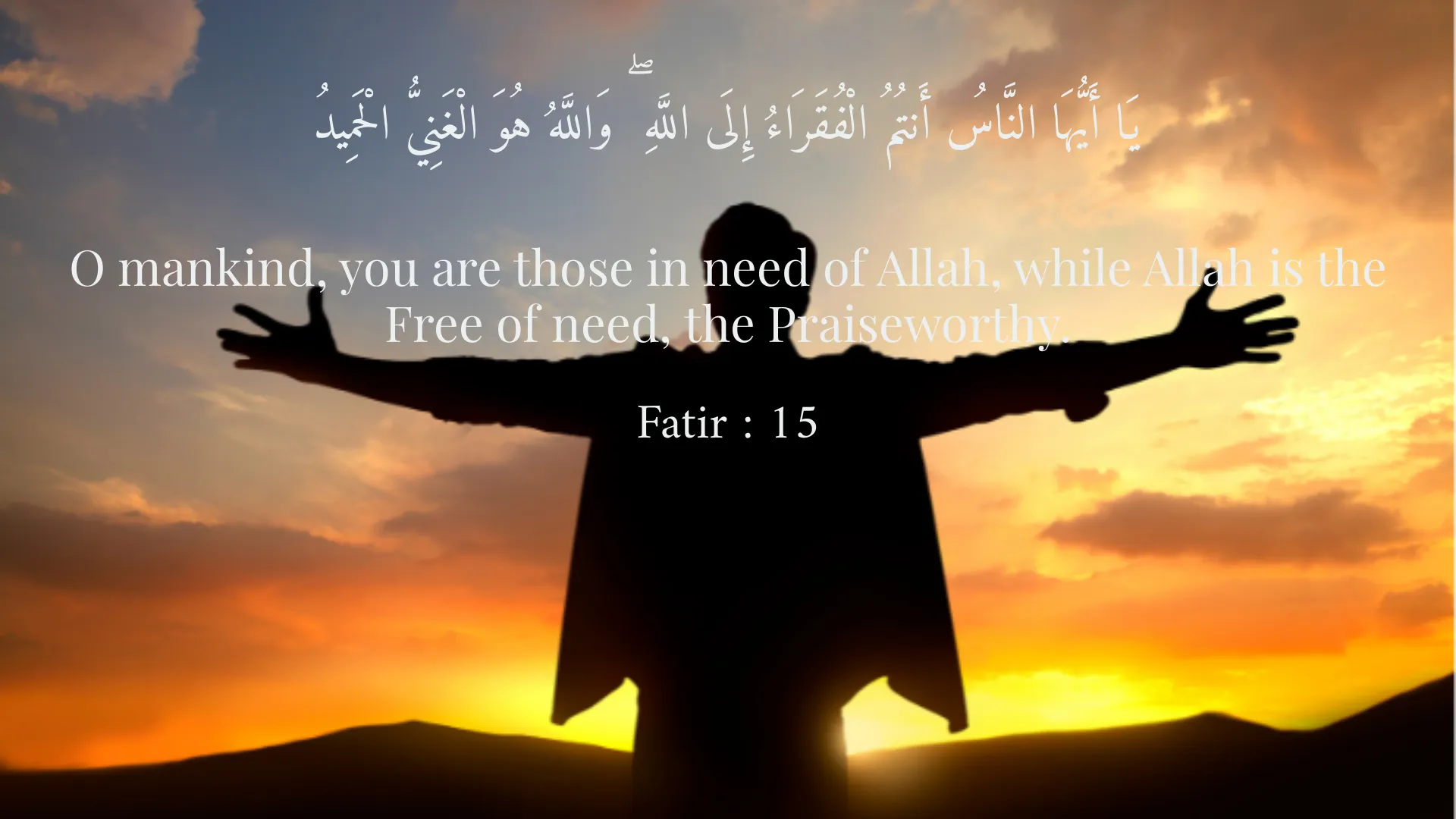
The profound question of whether the Almighty Creator, Allah, needs the actions of His human creation is addressed with unequivocal clarity throughout the Holy Quran. The resounding answer, firmly established by numerous verses and fundamental Islamic principles, is an emphatic no. Allah, in His absolute divine essence, is utterly independent, self-sufficient, and transcends all needs. He is Al-Ghani (الغني), the One Who is Free of All Needs, the Self-Sufficient, the Rich beyond measure, and the Independent. This core attribute of Allah forms the bedrock of Islamic theology and shapes our understanding of His relationship with His creation. When we delve into the Quran, we find this concept repeatedly emphasized. For instance, in Surah Fatir (35:15), Allah declares: "O mankind, you are those in need of Allah, while Allah is the Free of need, the Praiseworthy." This verse beautifully encapsulates the fundamental dynamic between the Creator and the created. It asserts humanity's inherent state of dependence and neediness towards Allah, while simultaneously affirming Allah's absolute self-sufficiency and His praiseworthiness, irrespective of human actions. Our very existence, our breath, our sustenance, our guidance, and indeed, every single aspect of our being, is utterly contingent upon Him. He does not gain anything from our obedience, nor does He lose anything from our disobedience. His majesty, power, and perfection remain untouched by the deeds of His creation. The purpose of human actions, then, is not to fulfill a divine need, but rather to serve the spiritual and worldly well-being of humanity itself. Allah, in His infinite wisdom and boundless mercy, has laid down commands and prohibitions not because He requires them, but because they are intrinsically beneficial for us. They are a roadmap for a fulfilling life, a guide to inner peace, and a pathway to success in both this world and the Hereafter. Our worship, our prayers, our charity, our truthfulness, our justice, and every good deed we perform are ultimately investments in our own spiritual capital. They purify our souls, strengthen our character, foster harmonious societies, and bring us closer to our Creator. Consider the verse in Surah Adh-Dhariyat (51:56): "And I did not create the jinn and mankind except to worship Me." This verse defines the fundamental purpose of our creation. However, this "worship" (Ibadah) is not a service that Allah needs for His glory to be complete. Rather, it is a recognition of His Lordship, an acknowledgment of our servitude, and an act of aligning our will with His. When we worship, we are essentially nurturing our own souls, fulfilling our innate spiritual yearning, and establishing a profound connection with the Source of all existence. It is through worship that we find purpose, direction, and ultimately, peace. If all of humanity were to worship Him fervently, it would not increase His dominion by an iota. And if all of humanity were to disbelieve and rebel, it would not diminish His power or sovereignty in the slightest. His might is absolute and independent of our choices. Furthermore, the Quran highlights that our actions are a test, a means by which we are judged and rewarded. In Surah Al-Mulk (67:2), it states: "[He] who created death and life to test you [as to] which of you is best in deed..." This testing is for our accountability and to sort out the righteous from the wrongdoers, preparing each soul for its ultimate destination. The results of this test – be it success or failure – impact us, not Allah. He is the All-Knowing (Al-Alim) and already knows the outcome, but the test itself serves to manifest our free will and to establish justice for the Hereafter. The concept of gratitude further reinforces Allah's self-sufficiency. In Surah An-Naml (27:40), it is stated: "And whoever is grateful - his gratitude is only for [the benefit of] himself. And whoever denies [His favors] - then indeed, my Lord is Free of need and Generous." This verse makes it crystal clear: when we express gratitude for Allah's countless blessings, we are doing ourselves a favor. Gratitude opens doors to more blessings, fosters contentment, and enriches our lives. Conversely, denying His favors (ingratitude or disbelief) harms the individual, not Allah. His generosity remains boundless, irrespective of whether His creation acknowledges it or not. He doesn't need our thanks; rather, our thanks uplift us and bring us closer to Him. Think of it this way: a wealthy, benevolent king commands his subjects to maintain hygiene, educate themselves, and live peacefully. These commands are not because the king needs them to do so for his own well-being or power; he is already powerful and self-sufficient. Rather, he commands them for their benefit, for the health, prosperity, and harmony of his kingdom. Similarly, Allah's commands for good deeds and prohibitions against evil are fundamentally for the betterment of humanity and the establishment of justice and peace on Earth. In conclusion, the Quran profoundly asserts Allah's absolute independence and self-sufficiency. Our good deeds do not elevate Him, nor do our transgressions diminish Him. He is Al-Ghani, the One Who requires nothing from anyone, while everything and everyone is utterly dependent on Him. Our actions are a reflection of our faith, a means of our spiritual growth, a demonstration of our gratitude, and a preparation for our eternal abode. They are entirely for our benefit, a testament to His infinite wisdom, mercy, and justice. Understanding this fundamental truth liberates the human spirit, fostering humility, gratitude, and a deep appreciation for the divine benevolence that underlies all existence. It encourages us to strive for good, not out of a misconception of divine need, but out of recognition of our own inherent need for His guidance and mercy, and the profound benefits such striving brings to our souls.
Related Verses
يَا أَيُّهَا النَّاسُ أَنتُمُ الْفُقَرَاءُ إِلَى اللَّهِ ۖ وَاللَّهُ هُوَ الْغَنِيُّ الْحَمِيدُ
O mankind, you are those in need of Allah, while Allah is the Free of need, the Praiseworthy.
Fatir : 15
وَمَا خَلَقْتُ الْجِنَّ وَالْإِنسَ إِلَّا لِيَعْبُدُونِ
And I did not create the jinn and mankind except to worship Me.
Adh-Dhariyat : 56
وَمَن شَكَرَ فَإِنَّمَا يَشْكُرُ لِنَفْسِهِ ۖ وَمَن كَفَرَ فَإِنَّ رَبِّي غَنِيٌّ كَرِيمٌ
And whoever is grateful - his gratitude is only for [the benefit of] himself. And whoever denies [His favors] - then indeed, my Lord is Free of need and Generous.
An-Naml : 40
Short Story
They say there was a benevolent man who always strived in worship and obedience to God. He imagined that his deeds added glory and splendor to the divine court. One day, a wise man said to him, 'My friend, do you imagine that the sun takes light from your lamp, or that the boundless ocean is quenched by your drop of water?' The benevolent man pondered for a moment. The wise man continued, 'God is absolutely self-sufficient, and your good deeds are not for His perfection, but for the cultivation of your own soul and the purification of your spirit. Every seed you plant returns its profit to you, not to the heavenly gardener who created the garden of existence.' Upon hearing these words, the benevolent man understood that all he did was for his own perfection and felicity, and that God was free of any need for it. This insight further increased his humility and sincerity in obedience.