Quranic Answer
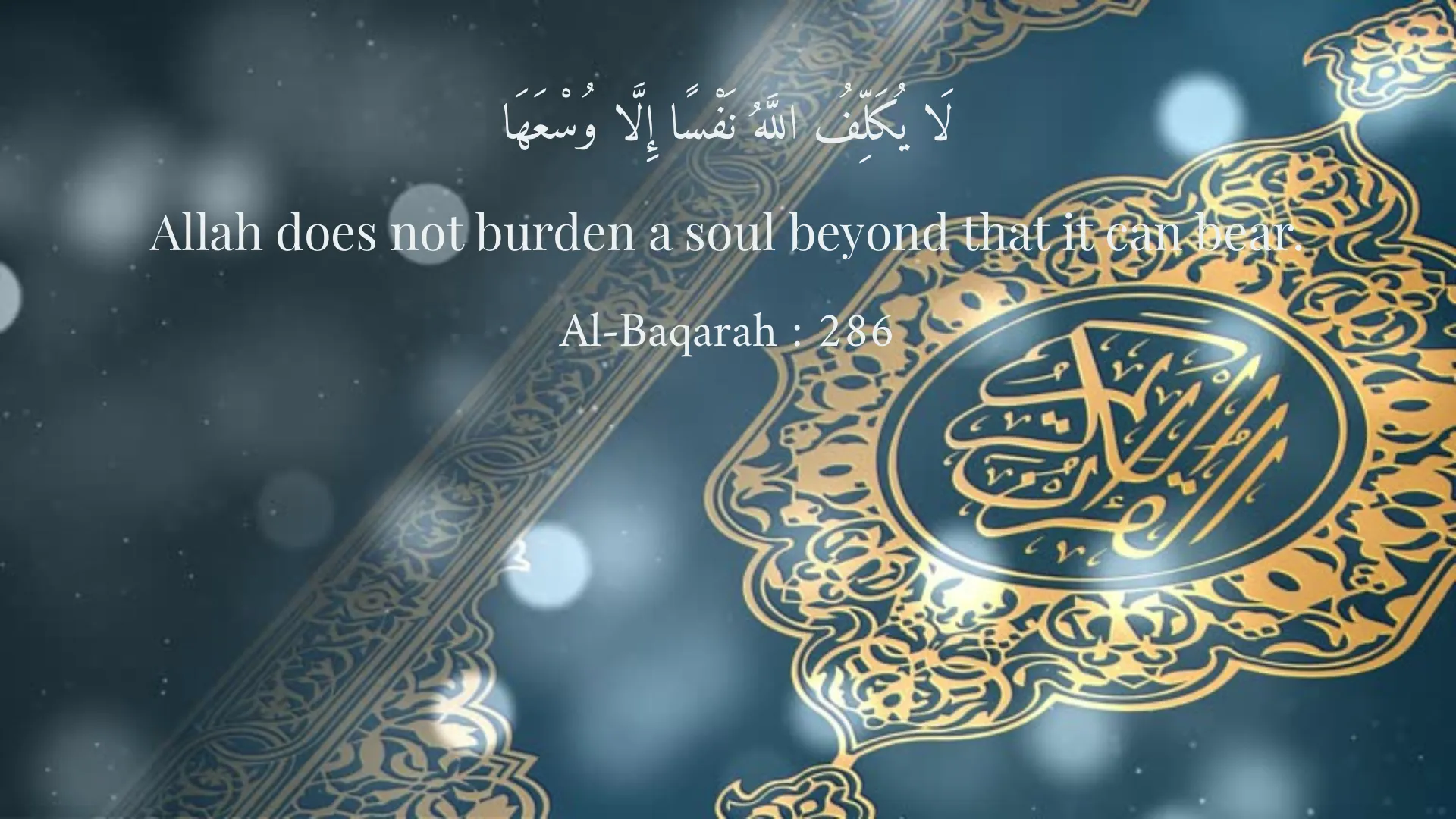
The Holy Quran is a profound source of guidance and wisdom, addressing a myriad of human experiences, including the emotional states we often encounter. Among these emotional states are crying and sorrow, which are universal sensations that resonate deeply within the human soul. The Quran, through its verses, elucidates the significance of these emotions, revealing not only the nature of human feelings but also the compassionate essence of Allah, who is aware of our struggles and sufferings. One particularly poignant verse in this context is Surah Al-Baqarah, verse 286, which states, 'Allah does not burden a soul beyond that it can bear.' This verse offers a great deal of comfort to those experiencing distress, as it highlights Allah's omniscience and understanding of human limitations. It reassures believers that no matter how challenging their circumstances may seem, Allah recognizes their individual capacities and will not impose hardships that exceed those. This notion underscores the importance of having faith during turbulent times, inspiring individuals to persevere in the face of adversity while trusting in Allah's wisdom. Crying and the experience of sorrow can often lead individuals to feel isolated and misunderstood. However, the Quran provides solace through its verses that signify Allah's mercy. In Surah Al-An'am, verse 61, it states: 'And He is the subjugator over every soul.' This verse emphasizes Allah's omnipotence and His attentive nature towards His creations. No human feeling, including sorrow or crying, escapes Allah's notice. It suggests that He is aware of each individual's emotional state, offering a divine connection that can soothe a troubled heart. Thus, one can interpret the act of crying as a genuine plea for mercy and attention, a moment where individuals seek solace and reassurance from their Creator. The Quran's address of human emotions extends beyond mere acknowledgment. Surah Al-Mu'minun, verse 118, encourages individuals to invoke Allah in their times of distress: 'And say, My Lord, admit them into a good entrance and exit.' Here, we find a clear call to action—to turn towards Allah during moments of vulnerability and despair. This verse highlights the importance of prayer as a means of drawing closer to Allah, seeking His guidance, and requesting assistance in overcoming hardships. It encourages believers to express their emotions openly, allowing their tears to serve as a conduit to purify the heart and soul. In the Quran, tears are often depicted as symbols of humility and the recognition of one's need for Allah's help. There is a beautiful interplay between human emotions and divine mercy, where our vulnerabilities become bridges that connect us with our Lord. Crying, often accompanied by sincere supplication, denotes a state of submission to Allah, reminding individuals that they are not alone in their struggles. This recognition can provide profound comfort, as it inspires hope and fosters a deeper understanding of Allah's merciful nature. Furthermore, sorrow and hardship in a believer's life can serve a specific purpose. They can act as tests from Allah, designed to strengthen faith and patience. This perspective allows individuals to approach their trials with resilience, viewing moments of distress as opportunities to grow spiritually. The Quran consistently reminds believers that after hardship comes ease, and it encourages them to hold on to their faith amid challenges. To cry and express sorrow in front of Allah is not viewed as a sign of weakness; rather, it is seen as a testament to one’s reliance on Him. It proclaims, 'O Allah, I am in need of Your mercy and support.' Throughout the Quran, we find numerous references to prophets and believers who experienced significant trials and bouts of sorrow. For instance, the story of Prophet Job (Ayub), known for his incredible patience during extreme suffering, illustrates this concept beautifully. His unwavering faith amidst his pain serves as a powerful reminder of how one’s relationship with Allah can deepen during moments of despair. He cries out to Allah, and his tears become a reflection of his profound faith and trust in divine wisdom. Consequently, we see that the emotional states of crying and sorrow lead to a strengthened bond with Allah, propelling the believer towards love, mercy, and forgiveness. Overall, the Quran teaches us that in times of hardship and sorrow, we should remember Allah and turn to Him. This turning can be accompanied by tears and cries, which are true symbols of humility and the need for the Lord's assistance. The emotional states we experience remind us of our shared humanity, and through these feelings, we find a pathway to connect with our Creator. Allah's mercy encompasses all, and He has assured us that He listens to our cries and cares for us during our trials. As believers, we are encouraged to embrace our emotional states, understanding that they serve as profound markers of our relationship with the divine. In conclusion, the Quran offers a compassionate perspective on the emotional challenges faced by humans, particularly surrounding themes of crying and sorrow. The verses serve as a reminder that we are never alone in our struggles and that Allah is always attentive to our needs. It encourages believers to express their emotions openly and seek solace in their faith, turning their hardships into opportunities to draw closer to Allah.
Related Verses
لَا يُكَلِّفُ اللَّهُ نَفْسًا إِلَّا وُسْعَهَا
Allah does not burden a soul beyond that it can bear.
Al-Baqarah : 286
وَهُوَ الْقَائِمُ عَلَى كُلِّ نَفْسٍ
And He is the subjugator over every soul.
Al-An'am : 61
وَقُل رَّبِّ أَدْخِلْهُم مَدْخَلَ صِدْقٍ
And say, My Lord, admit them into a good entrance.
Al-Mu'minun : 118
Short Story
One day, a man was praying and asking for God's help. He was crying and expressing his pain and sorrow from his heart. At that moment, he felt a sense of comfort and solace coming from God. He realized that God was warmly and sincerely listening to his pain, and in that wondrous moment, he experienced a deep sense of peace.