Quranic Answer
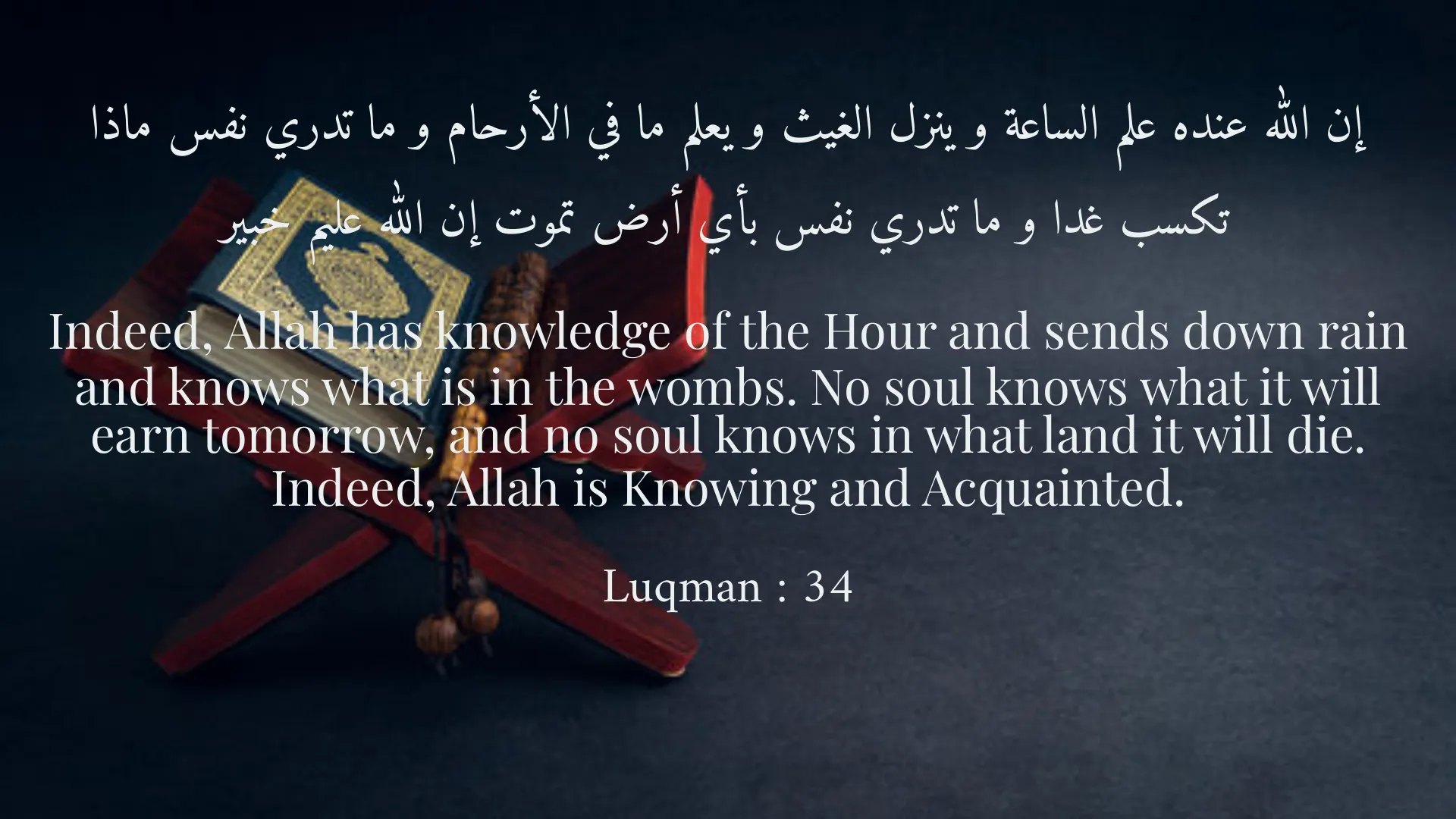
The concept of the Hereafter occupies a central role in Islamic teachings, particularly in the Holy Quran, where it is often elevated as a critical element necessary for acquiring tranquility and peace of mind. The Quran, as the holy scripture of Islam, serves not only as a guide for religious practices but also as a source of wisdom that addresses the fundamental questions of life, death, and the afterlife. One of the key themes in the Quran is the emphasis on remembrance of the Hereafter, which is essential for believers to cultivate a life of purpose and fulfillment. The verses of the Quran extensively elaborate on the Day of Judgment, accountability, and the ultimate rewards or consequences that follow in the Hereafter. These teachings serve to remind individuals that their existence in this world is transient and that the material possessions and fleeting pleasures of life hold little significance when contrasted with the eternal hereafter. The constant reminder of the Hereafter serves as an anchor for the believer, prompting self-reflection and a deeper understanding of one's actions and their implications in the divine grand plan. For instance, Surah Luqman, verse 34, states: 'Indeed, Allah has knowledge of the Hour and sends down rain and knows what is in the wombs. No soul knows what it will earn tomorrow, and no soul knows in what land it will die. Indeed, Allah is Knowing and Acquainted.' This verse unequivocally highlights the omniscience of Allah, emphasizing that God knows everything about the future, including when and how our lives will conclude. By recognizing these truths, individuals can begin to detach from worldly desires and attachments, realizing that the material world is only temporary. The process of remembering and contemplating the Hereafter encourages believers to develop a focus on eternal values rather than engaging in a relentless pursuit of transient satisfaction. In this regard, the remembrance of the Hereafter establishes a perspective that helps individuals navigate life's challenges with greater confidence and spiritual strength. Knowing that this world serves as a testing ground, individuals are inspired to maintain righteousness and perseverance amid adversity, drawing strength from their faith. Furthermore, the Quran conveys a profound message about mortality and the inevitability of death in Surah Al-Imran, verse 185, which states: 'Every soul will taste death, and you will only be given your full compensation on the Day of Resurrection. So whoever is drawn away from the Fire and admitted to Paradise has indeed attained victory.' Here, it becomes evident that life is transient, and death is an unavoidable reality that every soul must face. The verse serves as a reminder that while material success may be fleeting, true victory lies in being rewarded in the Hereafter. The concept of accountability on the Day of Judgment is a recurring theme in the Quran, urging individuals to act consciously and responsibly. It drives home the idea that the choices one makes during their lifetime will be pivotal in shaping their fate in the afterlife. The Quran reassures believers that acts of goodness, kindness, and charity can pave the way to God's mercy and forgiveness. This understanding of accountability becomes a moral compass that guides individuals toward making righteous choices and encourages ethical behavior in all aspects of life. The notion that the Hereafter can indeed serve as a source of peace cannot be overstated. In today's fast-paced and often tumultuous world, individuals are frequently confronted with stress, dissatisfaction, and uncertainty. The anxieties of everyday life, coupled with the fear of what lies beyond death, can become overwhelming. However, by engaging in the remembrance of the Hereafter, many find solace and relief from these worries. It inspires a sense of hope that transcends the immediate challenges, enabling them to approach life's tribulations with serenity and composure. In this spiritual framework, believers are encouraged to seek forgiveness, engage in prayer, and perform good deeds in anticipation of the rewards in the Hereafter. The idea is not just to live a pious life but to also foster a compassionate community that embodies kindness and altruism. Contemplating the afterlife can become a catalyst for positive change within individuals and society. When one understands that every action has consequences beyond this world, it fosters an environment where people are motivated to uplift one another, creating a more virtuous society. Moreover, the remembrance of the Hereafter can serve as a source of resilience, offering individuals a lens through which to view their struggles not merely as obstacles but as opportunities for personal and spiritual growth. Facing trials becomes part of a broader journey that prepares one for what awaits in the afterlife. The comfort derived from this perspective allows individuals to persist through difficulties while maintaining their faith and trust in Allah's wisdom. In conclusion, the remembrance of the Hereafter, as articulated in the Holy Quran, emerges as a vital element for the psychological and spiritual well-being of believers. It fosters a detachment from the transient nature of worldly life, instills purpose, and invokes a sense of accountability. Encouraging contemplation about the afterlife can illuminate one's path in this world while providing profound peace and courage to face challenges. Ultimately, as individuals engage deeply with the truths of the Hereafter, they discover an enduring source of tranquility that frees them from the anxieties of daily existence, offering them a meaningful route toward spiritual fulfillment and everlasting peace.
Related Verses
إن الله عنده علم الساعة و ينزل الغيث و يعلم ما في الأرحام و ما تدري نفس ماذا تكسب غدا و ما تدري نفس بأي أرض تموت إن الله عليم خبير
Indeed, Allah has knowledge of the Hour and sends down rain and knows what is in the wombs. No soul knows what it will earn tomorrow, and no soul knows in what land it will die. Indeed, Allah is Knowing and Acquainted.
Luqman : 34
كل نفس ذائقة الموت وإنما توفّون أجوركم يوم القيامة. فمن زُحزح عن النار وأدخل الجنة فقد فاز
Every soul will taste death, and you will only be given your full compensation on the Day of Resurrection. So whoever is drawn away from the Fire and admitted to Paradise has indeed attained victory.
Al-Imran : 185
Short Story
Once, a young man named Amir was pondering his life and purpose. He recalled the verses of the Quran that said the remembrance of the Hereafter brings peace. Amir decided to spend more time reflecting on the Hereafter and doing good deeds. Days passed, and he felt a deeper sense of peace and was able to cope better with life's challenges.