Quranic Answer
### The Interconnectedness of Goodness in This World and the Hereafter Goodness is often perceived as a moral compass guiding individuals through the labyrinth of life, influencing their actions, decisions, and attitudes. It serves as a foundation for fostering a harmonious society and cultivating personal well-being. However, there exists a profound aspect of goodness that transcends the boundaries of this temporal world and extends into the Afterlife. The teachings of the Holy Quran elucidate that performing good deeds in this world is not only a pathway to immediate gratification but also a source of blessings and rewards in the Hereafter. In Surah Al-An'am, verse 160, Allah emphasizes this interconnectedness of actions and consequences: 'And whoever brings a bad deed will not be recompensed except by its equivalent.' This profound statement serves as a reminder that the nature of our actions—good or bad—inevitably shapes our experience both now and in the afterlife. Goodness, therefore, is not merely an abstract concept confined to the rhetoric of religious teachings; it is a practical guideline encouraging believers to engage in virtuous conduct, emphasizing the importance of noble intentions that align with divine will. ### The Propagation of Goodness Through Intended Actions The notion that our intentional actions can yield divine favor is further underscored in Surah Al-Baqarah, verse 261. Here, Allah presents a metaphor laden with significance: 'The example of those who spend their wealth in the way of Allah is like a seed of grain that sprouts seven ears.' This vivid imagery illustrates the multiplication effect of charitable acts and righteous deeds. Just as a single grain can produce multiple ears of corn, so too can acts of kindness yield manifold blessings. The Quran encourages believers to actively participate in acts of charity, emphasizing the importance of spending resources not merely for personal gain but also for the upliftment of others. The impact of such goodness does not cease with the completion of the deed. Instead, it resonates through the lives of individuals, enriching communities and planting the seeds of goodness for future generations. The act of giving, whether through monetary contributions, time, or compassion, is transformative, reinforcing the idea that when we extend our hands to help others, we are simultaneously securing our own future blessings. ### Seeking Forgiveness and Guidance To achieve goodness in this life and the Hereafter, the journey involves more than just performing good deeds. It necessitates an attitude of humility and a sincere commitment to seeking forgiveness and guidance from Allah. As humans, our nature is flawed—prone to mistakes and misjudgments. Nevertheless, the door of repentance is always open, allowing us to align with divine expectations and rectify our paths. The act of seeking forgiveness serves not only as a means of atonement for one's misdeeds but also as an opportunity for spiritual growth and introspection. It instills a sense of accountability and encourages us to reflect on our actions, fostering a lifestyle rooted in continuous improvement and moral elevation. By acknowledging our shortcomings and striving for betterment, we align ourselves more closely with the divine will, thereby enhancing our capacity to experience goodness. ### The Role of Community in Cultivating Goodness In a broader context, goodness extends beyond individual actions; it is essential for the establishment of a compassionate community. Religious teachings consistently advocate for communal responsibility, urging believers to support one another in their pursuit of righteousness. Acts of kindness and generosity foster a culture of gratitude and mutual respect, reinforcing the bonds of community. Moreover, when communities come together to embody the principles of goodness, they create environments where individuals are encouraged to flourish spiritually and morally. This collective commitment to goodness amplifies the effects of individual efforts, synergizing the blessings of divine favor. ### Cultivating a Positive Mindset Essential to nurturing goodness is the mindset from which actions originate. Cultivating a positive outlook not only enriches our interaction with others but also influences the quality of our deeds. When individuals embrace optimism and gratitude, their actions are more likely to reflect kindness and compassion. The teachings of Islam emphasize the importance of intention behind actions. A righteous intention not only elevates the act itself but also magnifies its impact on the individual’s heartfelt experience and the spiritual rewards anticipated in the Hereafter. True goodness emerges from the confluence of pure intentions, compassionate actions, and unwavering faith. ### Conclusion In conclusion, the pursuit of goodness is an intricate journey woven into the fabric of human existence. The Holy Quran enlightens believers with the understanding that our actions in this world have profound implications for our experience in the Hereafter. Both good and bad actions carry weight; the rewards for virtuous conduct extend beyond immediate benefits, culminating in divine blessings and eternal peace. By engaging in righteous deeds, seeking forgiveness, and promoting communal goodwill, individuals can navigate the complexities of life while ensuring their legacy of goodness resonates through time. Ultimately, the more we align ourselves with divine will and strive towards moral excellence, the more goodness we can expect to experience in both this life and the afterlife.
Related Verses
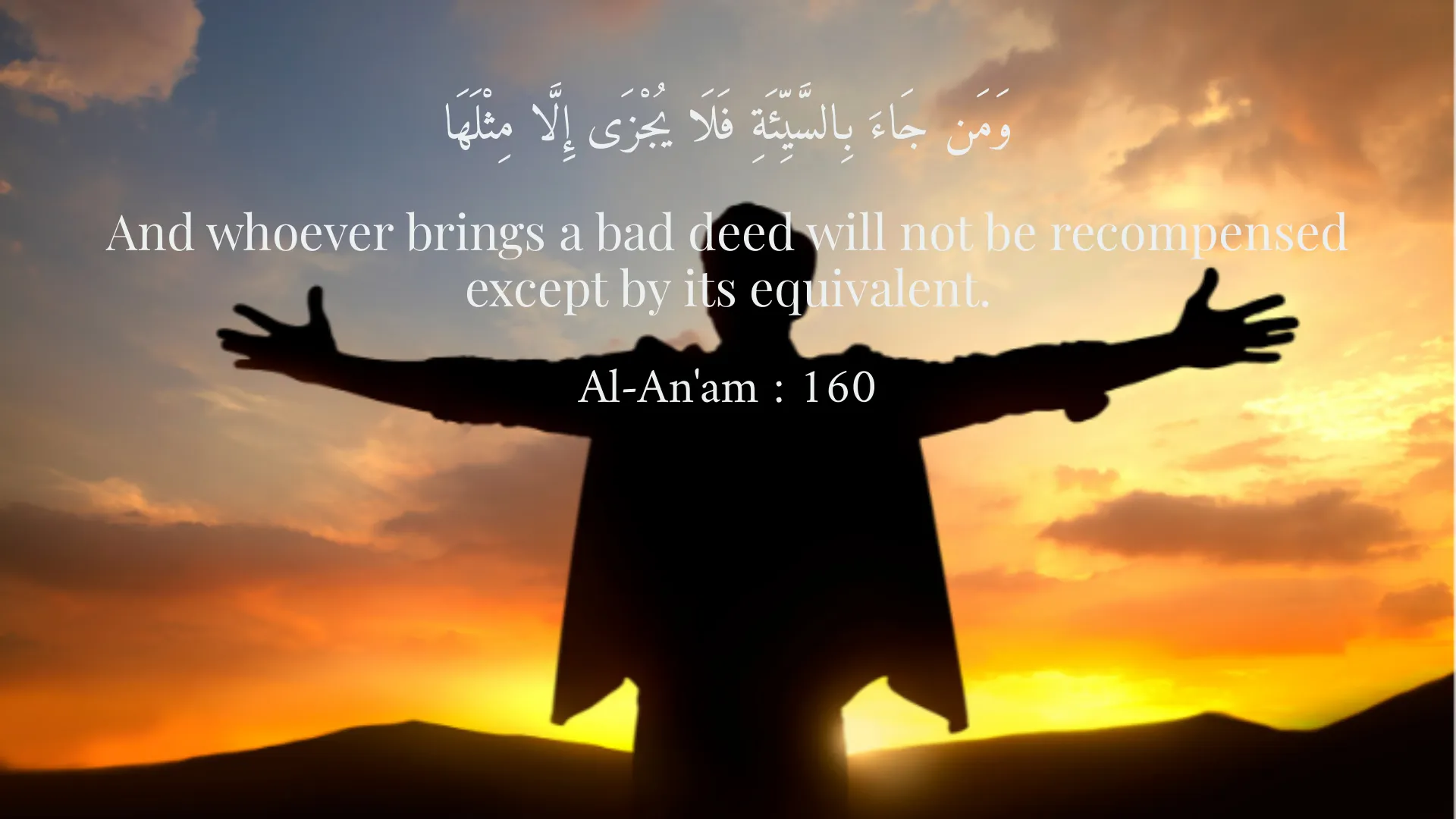
وَمَن جَاءَ بِالسَّيِّئَةِ فَلَا يُجْزَى إِلَّا مِثْلَهَا
And whoever brings a bad deed will not be recompensed except by its equivalent.
Al-An'am : 160
مَثَلُ الَّذِينَ يُنفِقُونَ أَمْوَالَهُمْ فِي سَبِيلِ اللَّهِ كَمَثَلِ حَبَّةٍ أَنْبَتَتْ سَبْعَ سُنبُلَاتٍ
The example of those who spend their wealth in the way of Allah is like a seed of grain that sprouts seven ears.
Al-Baqarah : 261
Short Story
Once upon a time, there was a young man named Adel who always pondered over success and happiness in his life. He decided to pay attention to the verses of the Quran and felt that he needed to choose a righteous and God-pleasing path. One day, Adel stepped into a mosque and made a simple prayer, 'O Allah, grant me success in goodness in this world and reward me in the Hereafter.' From that day onwards, he consistently helped others and walked the path of charity. Soon, his life transformed, and he found God's mercy manifesting in his daily affairs.