Quranic Answer
In the Holy Quran, the emphasis on neatness and beauty is a guiding principle that resonates deeply within the lives of believers. It is not merely about outer appearances but encapsulates a holistic approach to grooming, aesthetics, and conduct. This article explores the multifaceted nature of beauty as highlighted in Islamic teachings, particularly through verses of the Quran, and how these concepts manifest in our daily lives, especially in the workplace. Beauty and grooming are integral to personal identity. When we think about grooming, it encompasses physical care, attire, and even one's demeanor. The phrase 'neatness and beauty' evokes an image of someone who is not only well-dressed but also exhibits qualities of grace and poise. In Surah Al-A'raf, verse 31, Allah states: "And eat and drink, but be not excessive. Indeed, He likes not those who commit excess." At first glance, this verse may appear to pertain solely to consumption; however, its implications extend to grooming and presentation. Extravagance or negligence in our grooming can reflect a lack of respect for ourselves and, by extension, for others. This verse serves as a reminder that Islam encourages a balanced approach to grooming - one that shuns excessiveness while promoting cleanliness and appropriateness. The workplace, where individuals spend a significant portion of their day, is an environment where the principles of grooming and neatness are paramount. Choosing appropriate attire is not just about following dress codes; it's also about conveying respect and professionalism. Our choice of clothing can affect how we are perceived by colleagues, clients, and superiors. For instance, wearing clean, ironed clothes that fit well can signal that we care about our job and respect the office culture. Moreover, maintaining personal hygiene reflects on our commitment to self-care and health, which can enhance our performance and productivity. The Quran's guidance implies that presenting ourselves well and caring for our hygiene does not contradict piety but rather complements it. In addition to external grooming, our internal demeanor plays a significant role in how we create beauty in the workplace. Surah An-Nisa, verse 36 emphasizes moral conduct: "And worship Allah and associate nothing with Him, and to parents, do good..." This verse highlights the importance of good behavior and ethics. Thus, maintaining a positive attitude, exhibiting kindness, and being respectful to our colleagues resonate strongly with the principles of beauty as advocated by Islam. Our interactions with others hold a mirror to our character. A smile, a kind word, or a helping hand can amplify our presence in the workplace, thus beautifying the environment and fostering a sense of community. Behavior, intertwined with etiquette, forms the backbone of professional relationships. The Quran's teaching on ethics goes beyond superficial interactions; it calls for a deep-rooted sense of compassion and consideration for others. This moral framework invites us to reflect on our actions and their impact on those around us. When employees work together harmoniously, the collective atmosphere transforms into one of collaboration and respect. Kindness becomes contagious, and it promotes a culture where beauty is not just skin deep but emanates from mutual respect and ethical conduct. Furthermore, the integration of external and internal beauty teaches us that superficial appearances alone are inadequate. While it is commendable to dress well and maintain hygiene, it is equally important to cultivate virtues such as patience, honesty, and integrity. True beauty, according to Islamic teachings, is characterized by the harmony of appearance and character. In the workplace, we should aim to embody both. The individual who balances grooming with ethical behavior radiates a beauty that is wholesome and impactful. The basis of beauty in Islam is not merely aesthetic; it is a reflection of a believer's relationship with their Lord. When we take care of our bodies, adorn ourselves appropriately, and conduct ourselves in a moral manner, we honor the creation of Allah. The Quran teaches that the intention behind our actions matters immensely. Thus, when grooming ourselves with the intention of pleasing Allah, we align ourselves with divine principles that elevate both our physical presence and our spiritual journey. Moreover, fostering an environment that embraces the values of beauty, both internal and external, can enhance workplace morale and cooperation. Organizations that encourage their employees to prioritize grooming and ethical behavior often find themselves with a more engaged and motivated workforce. Employees who feel good about themselves and are treated with dignity are more likely to contribute positively to the organization. This, in turn, can lead to increased productivity and overall job satisfaction. In conclusion, the concept of beauty according to the Holy Quran extends far beyond mere vanity; it embodies a comprehensive lifestyle framework. Through the teachings of Surah Al-A'raf and Surah An-Nisa, we learn about the delicate balance between external appearance and internal character. By adopting principles of neatness, grooming, kindness, and ethical conduct, we create a richer interaction with our surroundings. Ultimately, recognizing that inner beauty is as crucial as outer beauty enriches our lives, enhances our workplace interactions, and fulfills our spiritual obligations. Thus, let us continuously strive for a beauty that is harmonious, respectful, and reflective of our values as believers.
Related Verses
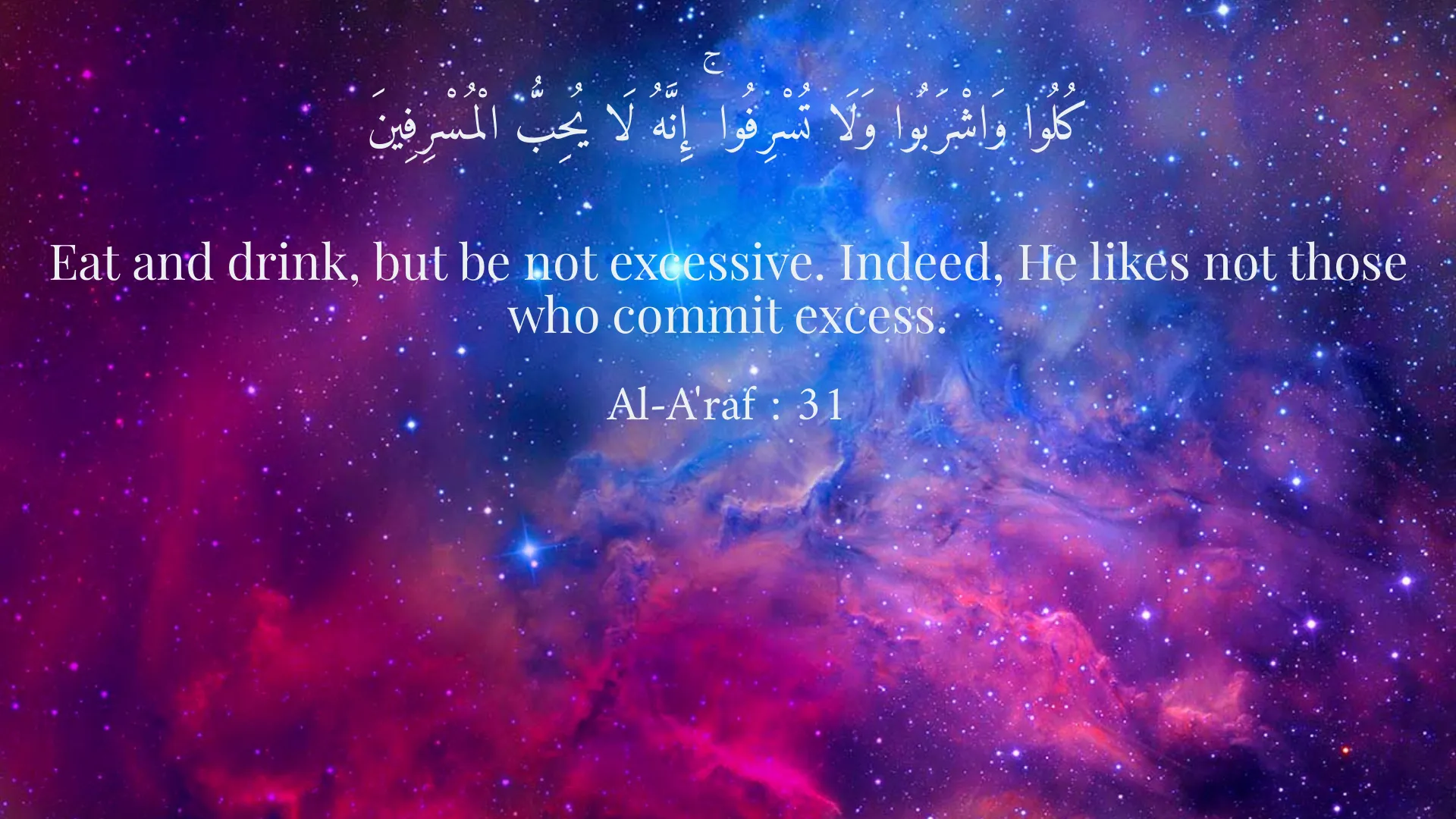
كُلُوا وَاشْرَبُوا وَلَا تُسْرِفُوا ۚ إِنَّهُ لَا يُحِبُّ الْمُسْرِفِينَ
Eat and drink, but be not excessive. Indeed, He likes not those who commit excess.
Al-A'raf : 31
وَاعْبُدُوا اللَّهَ وَلَا تُشْرِكُوا بِهِ شَيْئًا وَبِالْوَالِدَيْنِ إِحْسَانًا...
And worship Allah and associate nothing with Him, and to parents, do good...
An-Nisa : 36
Short Story
On a bright day, Sara decided to go to her workplace and begin a new day. She always valued her appearance, and a piece of advice she often heard from her mother was that 'one's appearance can significantly impact the first impression on others.' Thus, she went to work each day dressed nicely and groomed. Sara understood well that true beauty lies in the spirit and good behavior, so she always wore a smile and treated her colleagues with kindness. By doing so, she not only cared for her own beauty but also fostered the beauty of friendship and collaboration in her workplace. One day, one of her colleagues remarked, 'Sara, you always beautify the workspace with your smile and polished appearance!' This compliment made Sara happy and reminded her of the teachings from the Quran.