Quranic Answer
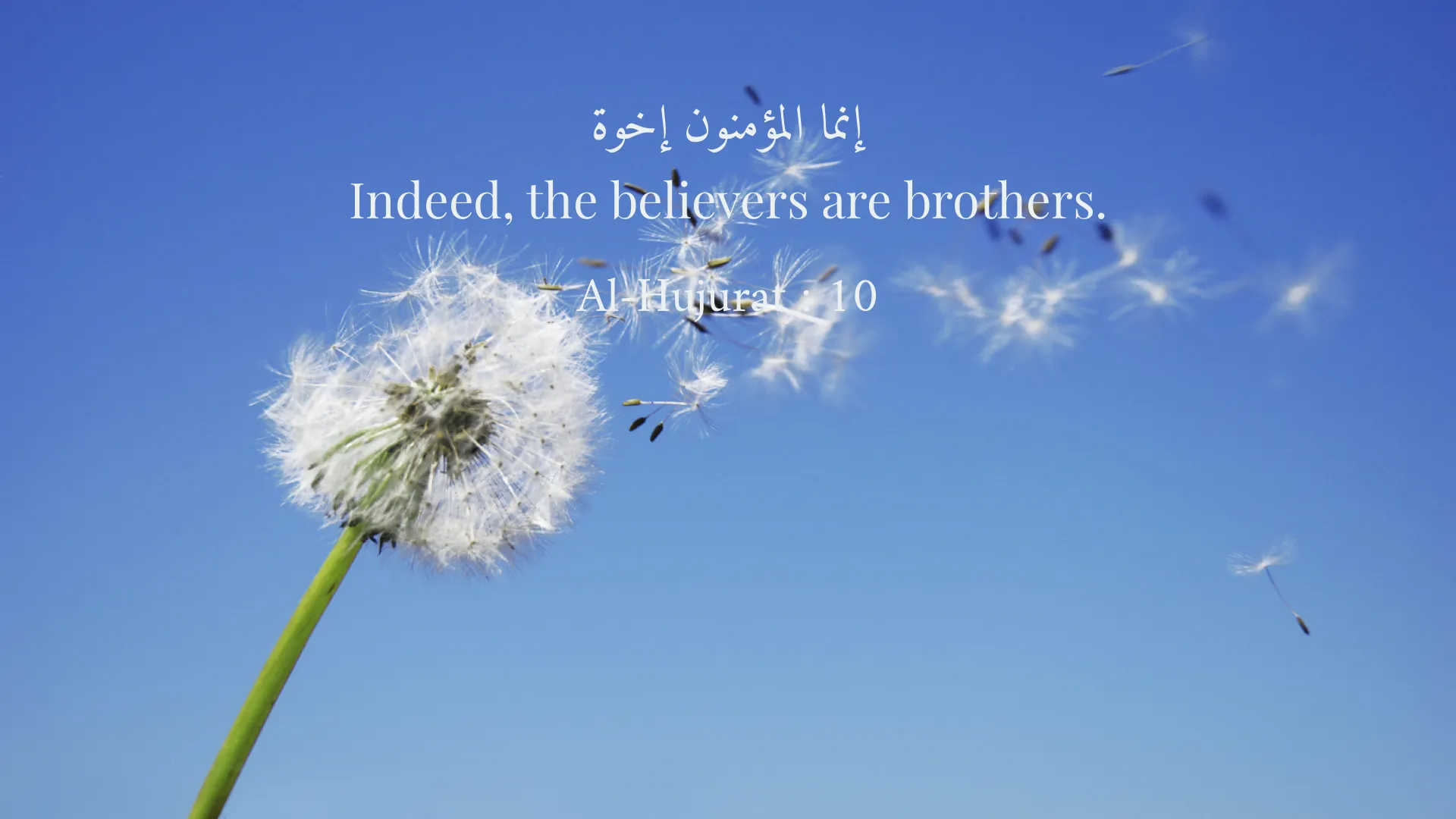
The Holy Quran, revered as the divine book for Muslims, serves not only as a spiritual guide but also as a comprehensive manual for life. One of the most profound aspects of the Quran is its commitment to promoting unity among humankind. In a world where divisions and conflicts often overshadow the fundamental shared humanity, the teachings of the Quran emerge as a beacon of hope and guidance. Through its verses, Allah emphasizes the necessity of brotherhood and solidarity, instilling the core values that hold communities together. At the heart of these teachings, Surah Al-Hujurat, especially verse 10, acts as a foundational principle for the Islamic community: "Indeed, the believers are brothers." This assertion sets the tone for interpersonal relationships among Muslims, advocating for a framework where respect, compassion, and empathy are paramount. It extends an invitation to engage positively with one another, reinforcing the idea that every individual, regardless of their background, shares a bond that should transcend superficial differences. This sacred bond calls for believers to act accordingly, demonstrating their commitment to this brotherhood through their actions in daily life. The Quran does not merely acknowledge this bond; it urges the faithful to embrace it wholly. In a society often fraught with conflict and discord, the wisdom found in these verses serves as a stark reminder of the importance of promoting love and understanding rather than fostering division. For instance, the Quran consistently calls for the resolution of disputes and encourages humanity to channel their energies towards peace and unity. By promoting harmony among its followers, the Quran seeks to cultivate not just personal relationships but also a cohesive community, underlined by mutual support and cooperation. In another significant mention, Surah Al-Imran highlights the essence of collaboration, urging believers to unite in their pursuits. The Quran states, "And hold fast, all of you together, to the rope of Allah and do not become divided" (Surah Al-Imran, 3:103). This verse serves as an imperative that strenuously advocates for unity in purpose and action. The message is clear: individual ambitions, when aligned with a common goal, enable communities to achieve greatness and effectiveness beyond solitary endeavors. By pooling their resources, knowledge, and efforts, individuals can collectively work towards successful outcomes, reflecting the Quran’s emphasis on unity. Moreover, the Quran invites believers to foster a culture of love and cooperation. In Surah Al-Ma'idah, verse 2, it exhorts, "And cooperate in righteousness and piety." This directive transcends the Islamic community and stands as a model for humanity as a whole. The essence of collaboration embedded in this verse encourages individuals from all walks of life to come together, united by a shared commitment to good deeds and moral integrity. Such teachings resonate universally, promoting values of friendship, solidarity, and understanding among diverse groups. Understanding the Quran's perspective on unity is essential, especially in a modern context where societal tensions often arise from misunderstandings and prejudices. The teachings mandate a systematic approach where individuals actively seek to break down the barriers that segregate them from others. Thus, the Quran not only emphasizes theoretical constructs of brotherhood but also encourages practical applications through community service, outreach programs, and interfaith dialogues. Such initiatives foster interactions that highlight commonalities, allowing individuals to appreciate diverse backgrounds and perspectives. Furthermore, the Quran extends its teachings to encompass all areas of life, urging people to act justly and sustain a harmonious coexistence. By advocating for principles of righteousness, justice, and equality, it ensures that the path toward unity is reflected in all interactions, whether they are personal, social, or political. The focus on community values, coupled with individual responsibility, aligns with the Quran’s vision for a cohesive society, where differences enrich rather than divide. The promotion of unity in the Quran is not one-dimensional; it encompasses multiple dimensions including spiritual, social, and political realms. For instance, community prayers, fasting during Ramadan, and pilgrimage to Mecca are activities that naturally bring Muslims together, reinforcing the bonds of brotherhood and shared beliefs. These collective experiences enhance mutual understanding and are key elements in nurturing a strong, unified community. As the world continues to grapple with division and conflict, the Quran’s message remains ever-relevant. The call for unity does not imply a loss of individuality but rather encourages a balance between personal identity and collective belonging. Each individual is respected and valued, yet bound in a network of mutual responsibility and care. The Quran's teachings remind us that true strength lies in our ability to support one another, uplift our communities, and strive for peace in both our personal and communal lives. In conclusion, the Holy Quran serves as a timeless guide in fostering unity and solidarity among humans. Its teachings on brotherhood, cooperation, and love resonate deeply, advocating for peaceful coexistence and mutual respect. As we navigate the challenges of our contemporary world, embracing these principles can pave the way for harmony, enriching our communities and ultimately enhancing the societal fabric. The call to unity is not simply a religious edict but a universal imperative, urging all of humanity to strive towards a more united and compassionate world.
Related Verses
إنما المؤمنون إخوة
Indeed, the believers are brothers.
Al-Hujurat : 10
وَاعْتَصِمُوا بِحَبْلِ اللَّهِ جَمِيعًا وَلَا تَفَرَّقُوا
And hold firmly to the rope of Allah all together and do not become divided.
Al-Imran : 103
وَتَعَاوَنُوا عَلَى الْبِرِّ وَالتَّقْوَى
And cooperate in righteousness and piety.
Al-Ma'idah : 2
Short Story
One day, a group of young people gathered in a mosque to discuss the Quran and the promotion of unity. One of them named Ali said, "Let's review the verses of the Quran together and see how we can collaborate more with each other." After hearing various verses from the Quran, the youths decided to engage in a social project and assist those in need. That day they not only realized their unity but also strengthened love and camaraderie in their hearts.