Quranic Answer
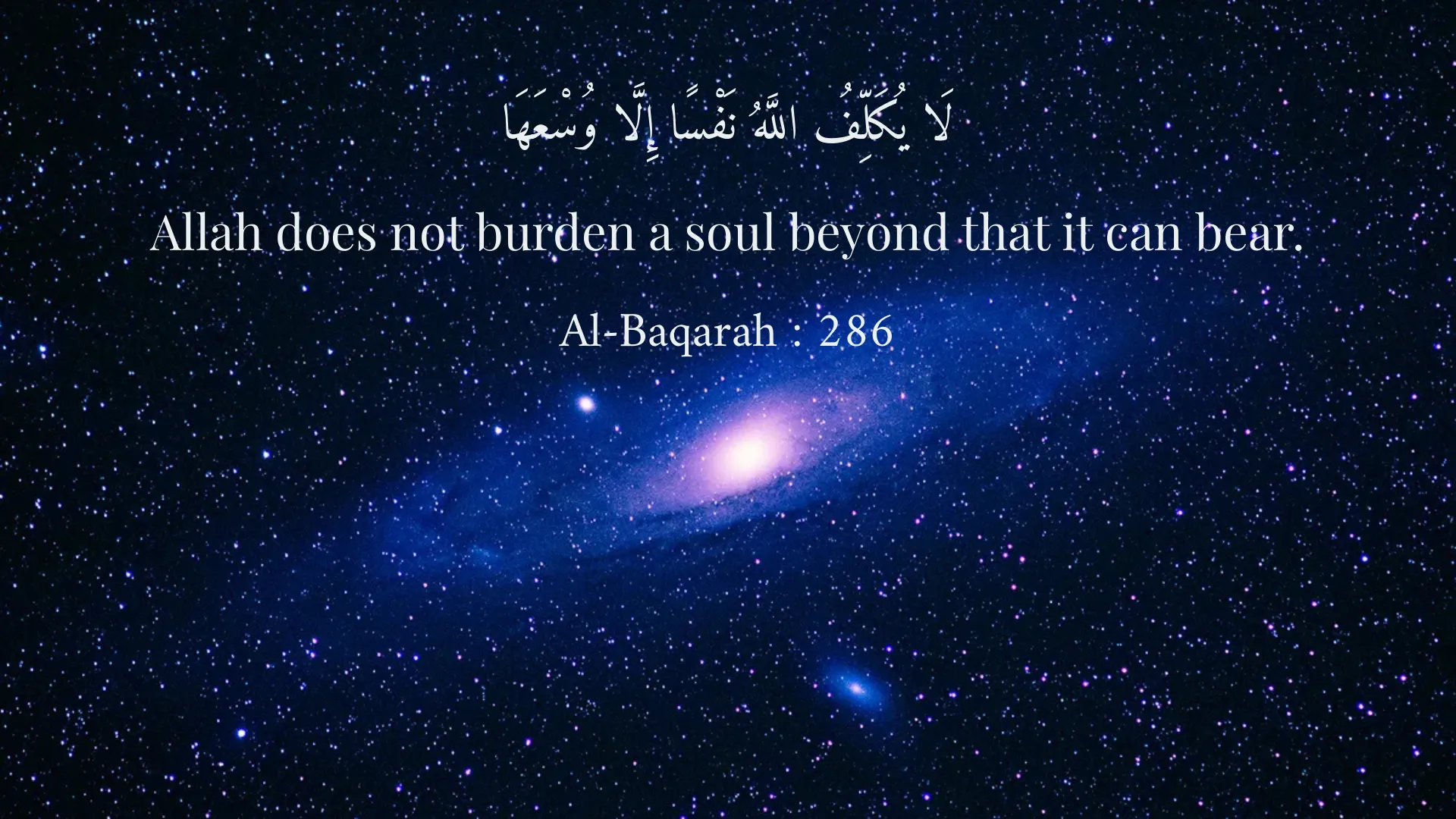
Poverty is one of the most pressing issues humanity faces today, affecting millions of individuals and families around the globe. It is a multifaceted problem, often characterized by inadequate resources, limited access to essential services, and a general state of financial instability. While many attribute poverty to economic systems, lack of education, or unemployment, the Holy Quran provides a spiritual perspective that offers hope, guidance, and solutions for those grappling with this formidable challenge. In analyzing the Quran's approach to poverty, one essential verse stands out: Surah Al-Baqarah, verse 286, which states, 'Allah does not burden a soul beyond that it can bear.' This profound reminder emphasizes the belief that every individual is equipped with the strength and resilience to face challenges that come their way. It encourages faith in the divine plan and steers individuals towards an attitude of perseverance rather than despair. Hence, when times of financial hardship manifest, invoking this verse can instill a sense of purpose and drive to confront difficulties rather than submit to them. Moreover, the Quran further acts as a source of motivation through its advocacy of hard work and righteousness. Highlighted in Surah An-Nahl, verse 97, this verse proclaims, 'And give good tidings to those who believe and do righteous deeds.' Here, the Quran sets forth a model of active engagement, implying that faith and moral responsibility are intertwined with effort and action. This passage encourages individuals to work diligently, as deeds undertaken in the spirit of righteousness can bear fruit both spiritually and materially. Therefore, when confronting poverty, it is crucial to adopt a proactive approach—embracing work, developing skills, and striving for better opportunities to improve one’s economic situation. Another aspect significantly related to alleviating poverty is the emphasis on prayer and seeking divine assistance. As stated in Surah Al-Mu'minun, verse 60, 'And those who put their hope in their Lord.' This verse highlights the importance of having hope and reliance on God during challenging times. Financial hardships can lead to feelings of helplessness, anxiety, and distress, but turning to prayer can provide solace and peace of mind. Prayer acts as a powerful tool for individuals experiencing poverty, serving as a channel to express their fears and desires, ultimately fostering a deeper connection with the Almighty. In moments of despair, many find profound comfort in prayer, believing that God will respond to their needs, which often brings about a change in mindset, encouraging them to seek solutions rather than succumb to despair. In addition to personal effort and faith, the Quran reinforces the importance of social responsibility and community support in tackling poverty. Charity, known as 'Zakat' in Islam, is an obligation on those who can afford it, and it plays a significant role in fostering social equity. Surah Al-Baqarah, verse 267 articulates, 'O you who have believed, spend from the good things which you have earned and from that which We have produced for you from the earth.' This verse not only emphasizes the moral obligation to assist those less fortunate but also indicates that genuine charity should come from one's best possessions—not merely what is surplus or disposable. Such acts of giving, according to the Quran, not only serve to alleviate the immediate hardships faced by the needy but also usher in blessings and sustenance in the life of the giver. Charity thus becomes a reciprocal action, promoting a sense of unity and compassion within the community. By sharing wealth, individuals not only contribute to solving societal problems but also cultivate a sense of purpose and fulfillment in their lives. Engaging in acts of charity enables a spiritual inflation in one’s heart, fostering empathy for those in need while enhancing personal gratitude for one’s own blessings. This spirit of generosity ultimately plays a pivotal role in shrinking the income gap and providing essential support to those struggling with poverty. The Quran offers a comprehensive framework to combat poverty, advocating a blend of self-reliance, community engagement, prayer, and moral responsibility. The interconnectedness between individual actions, community support, and divine reliance creates a holistic strategy for addressing poverty. The teachings encourage believers not only to strive for their own successes but also to uplift others and create a more inclusive society. In summary, poverty is a challenge that many face, but it is not insurmountable. The Holy Quran provides valuable insights and solutions to help individuals navigate the peaks and valleys of economic hardship. By embracing principles of resilience, hard work, hope through prayer, and charitable giving, it is possible to mitigate poverty and foster an environment where individuals thrive, thereby creating a ripple effect of positivity and shared prosperity in society. As we seek to implement these teachings in our lives, we will discover the transformative power of combining personal effort with unwavering faith and community support. This collective adoption of Quranic principles can ultimately pave the way toward a more equitable world where poverty is diminished and replaced with empowerment, stability, and hope.
Related Verses
لَا يُكَلِّفُ اللَّهُ نَفْسًا إِلَّا وُسْعَهَا
Allah does not burden a soul beyond that it can bear.
Al-Baqarah : 286
وَأَنَبَئْهُمُ الَّذِينَ آمَنُوا وَعَمِلُوا الصَّالِحَاتِ
And give good tidings to those who believe and do righteous deeds.
An-Nahl : 97
وَالَّذِينَ يَرْجُونَ رَبَّهُمْ
And those who put their hope in their Lord.
Al-Mu'minun : 60
يَاأَيُّهَا الَّذِينَ آمَنُوا أَنفِقُوا ممَّا رَزَقْنَاكُمْ
O you who have believed, spend from that which We have provided you.
Al-Baqarah : 267
Short Story
Once, a young man named Sajjad faced severe financial difficulties and felt hopeless. He decided to go to the mosque and pray. During his prayer, he noticed that others were also trying to help him. A few days later, he found a suitable job and, with effort and hard work, achieved financial peace. Sajjad realized that fighting against challenges must be accompanied by hope and effort.