Quranic Answer
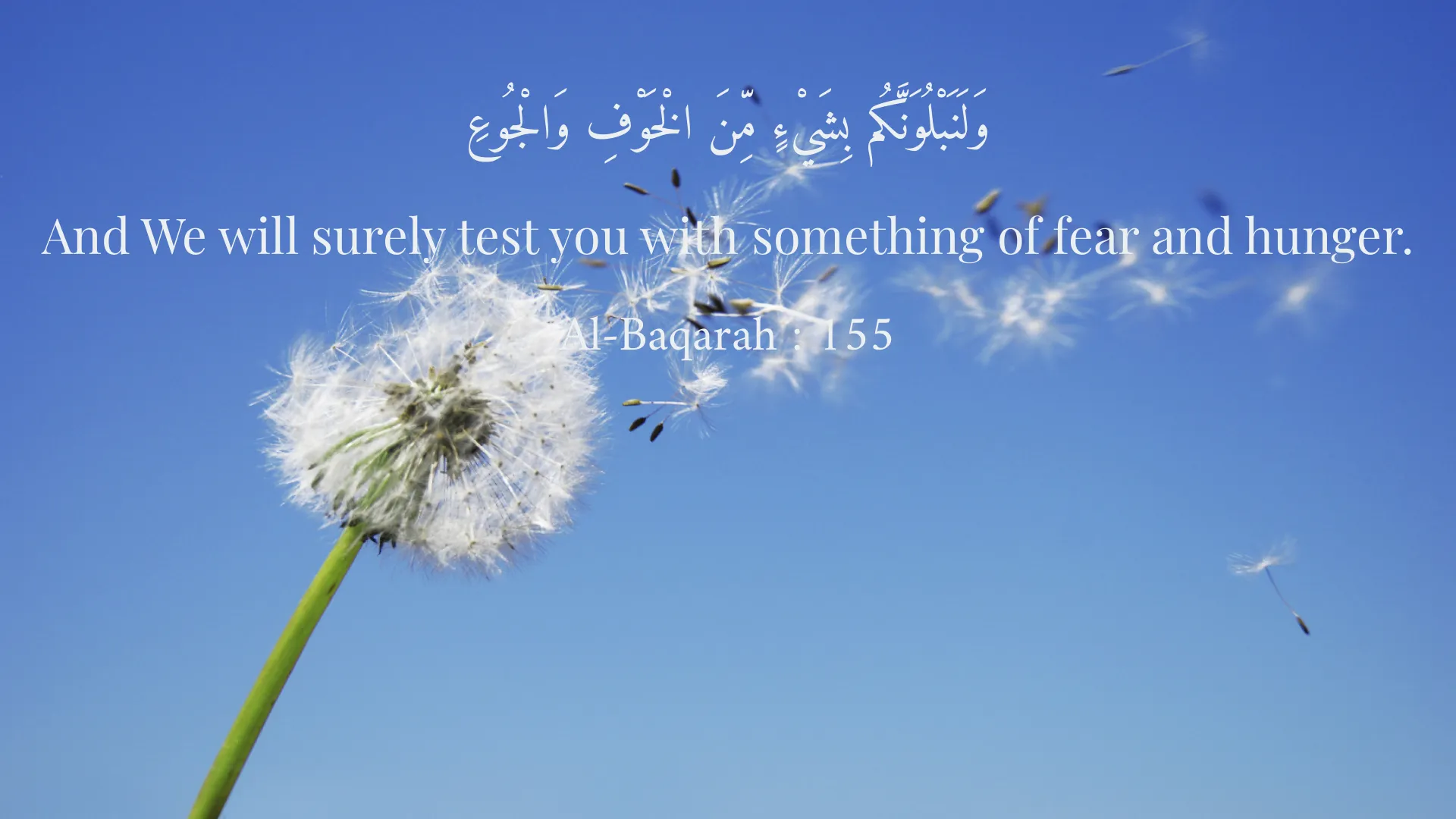
### Poverty as a Divine Test in the Holy Quran In the Holy Quran, poverty and scarcity are frequently addressed as divine tests imposed by Allah to assess the steadfastness of believers in their faith. According to Islamic teachings, life is a transient journey filled with trials and tribulations, and it is during moments of hardship that one's true character is revealed. Among the many verses that highlight this concept, Surah Al-Baqarah, verse 155, stands out: ‘And We will surely test you with something of fear and hunger.’ This profound verse is not merely a statement about economic deprivation but serves as a reminder that tests come in various forms, whether through fear, hunger, loss of wealth, or scarcity. Through this lens, we begin to understand that economic challenges and poverty may be a part of the divine plan designed to assess our faith, patience, and resilience. The struggles faced in times of poverty can catalyze spiritual growth and an opportunity to turn towards Allah, creating a bond of reliance that may not emerge in times of abundance. ### The Role of Gratitude One of the most significant ways to cope with poverty, as articulated in the Quran, is through the practice of gratitude. Surah Ibrahim, verse 7, states: ‘If you are grateful, I will surely increase your favor upon you.’ This verse illuminates the pathway toward optimism during challenging times. Gratitude is not just a passive acknowledgment of one's blessings; it is an active and transformative practice that shifts our focus from what we lack to what we possess. When faced with financial difficulties, one may naturally feel despair and hopelessness. However, by intentionally practicing gratitude, individuals can cultivate a mindset that appreciates small blessings, even in dire situations. This shift in perspective can lead to spiritual fulfillment and pave the way for a more fulfilling and rewarding life. Acknowledging the small mercies in daily life fosters resilience and generates positive energy that can attract further blessings. ### Charity: A Pillar of Support In tandem with gratitude, the act of giving charity holds immense significance in the faith as a response to poverty. Surah Al-Baqarah, verse 177 emphasizes that righteousness is linked with generosity, stating that true piety is not merely about adhering to rituals but also encompasses acts of charity, especially towards the needy. This verse highlights a fundamental principle of Islam: in a society where many face economic challenges, helping those in need is both a responsibility and an act of worship. Charity acts as a mechanism for social support and communal upliftment. When individuals give, they not only assist those who lack basic needs but also create a ripple effect of kindness and compassion within their communities. The act of giving charity can be transformative for both the giver and the recipient. For those grappling with poverty, witnessing kindness and support can provide hope and motivation. For the giver, contributing to the welfare of others can foster a sense of purpose and connection, which can alleviate their own feelings of despair. ### Patience in the Face of Adversity Lastly, it is crucial to remember that poverty is often a passage rather than a permanent state. The Quran and the teachings of the Prophet Muhammad (peace be upon him) underscore the importance of patience and perseverance during challenging times. The lives of the Prophets are exemplars of resilience, demonstrating that difficult times can lead to greater spiritual insight and development. The trials faced by Prophet Muhammad, who experienced substantial loss, hardship, and ridicule, exemplify how patience can be an anchor in turbulent times. Instead of succumbing to despair, he exemplified steadfastness and maintained an unwavering trust in Allah's wisdom and timing. His journey is a testament to the truth that hardship can often lead one closer to divine purpose and fulfillment. ### Conclusion The realities of poverty and scarcity are not merely obstacles to be traversed but are instead integral aspects of the human experience that serve to deepen faith, build character, and encourage community solidarity. The Quran provides profound insights into navigating these challenges through gratitude, generosity, and patience. By recognizing the divine tests embedded in our trials, we can cultivate resilience and emerge not only as survivors but as enlightened individuals committed to the well-being of others. In this way, poverty becomes a pathway of spiritual growth rather than merely a hardship to be endured. Through faith, we can transform our experiences with poverty into opportunities for connection, gratefulness, and communal upliftment. Thus, in the face of economic challenges, we are led to a deeper understanding of life, one that reflects the trials represented in the Holy Quran.
Related Verses
وَلَنَبْلُوَنَّكُم بِشَيْءٍ مِّنَ الْخَوْفِ وَالْجُوعِ
And We will surely test you with something of fear and hunger.
Al-Baqarah : 155
لَئِن شَكَرْتُمْ لَأَزِيدَنَّكُمْ
If you are grateful, I will surely increase your favor upon you.
Ibrahim : 7
وَأَنْ تَفْعَلُوا الْخَيْرَ عَلَى مَا تَحِبُّونَ
And to do good to those whom you love.
Al-Baqarah : 177
Short Story
Once upon a time in a remote village, there was a man named Adel who lamented his severe poverty. He often wondered how he could cope with his shortages. One day, while walking in the market, he saw a person helping those in need. This image inspired him. Adel decided to help others and live with gratitude. Over time, he felt a greater sense of happiness and peace, and his shortages became less noticeable.