Quranic Answer
Grief from losing loved ones is one of the hardest experiences anyone can face in life. It is an inevitable aspect of the human condition, touching everyone at different stages and in various forms. The process of grieving can be overwhelming, leaving one feeling lost, isolated, and burdened with a sadness that seems insurmountable. However, amid this turmoil, many find solace and guidance in spiritual traditions, particularly in religious texts. The Holy Quran provides profound teachings that can help individuals cope with this pain, offering wisdom and comfort in times of sorrow. One of the most crucial chapters in this regard is Surah Al-Baqarah. Within its verses, we can find the essence of patience and faith in the face of adversity. In verse 155, Allah states, "And We will surely test you with something of fear and hunger and a loss of wealth and lives and fruits…" This verse serves as a profound reminder that life is filled with challenges and tests. Each individual faces their own unique trials, and loss is one of the most painful tests one can endure. The reminder from Allah is clear: such experiences are part of our journey, intended to bring out our inner strength and resilience. The significance of responding with patience cannot be overstated. Grieving is not just about the emotions one feels after losing someone dear; it is a trial that tests one’s faith and resilience. In this context, the response to grief should be marked by a conscious effort to remain patient and steadfast. Patience does not mean suppressing emotions; rather, it refers to a measured and dignified response to loss, one that acknowledges the pain while also recognizing the need for healing. In moments of despair, particularly following a profound loss, the Quran also provides powerful words of encouragement. Surah Al-Imran, verse 139 states, "And do not lose hope or grieve; you will surely be highest…" This verse is a compelling reminder that despair is not the end of the story. Instead, it emphasizes the importance of maintaining hope. When we face the specter of grief, it can be easy to succumb to feelings of hopelessness, but this divine reminder urges us to find strength in our faith. Hope is a powerful catalyst for healing; it gives us the motivation to persevere through the darkest times. Further emphasizing the power of remembrance, Surah Maryam, verse 46 teaches us, "Indeed, by the remembrance of Allah hearts are assured." In times of sorrow, the act of prayer and supplication becomes a sanctuary. Connecting with Allah through prayer provides a sense of comfort and peace. It allows individuals to express their pain, seek guidance, and find solace in His presence. The remembrance of Allah not only eases the burden of grief but also instills a sense of purpose and direction, reassuring us that we are not alone in our pain. Additionally, it is essential to address the social aspect of grief. Engaging in conversations and expressing feelings with trusted friends, family members, or support groups can significantly alleviate the feelings of isolation that often accompany loss. Expressing grief allows individuals to process their emotions and reduces the heaviness of sorrow. Sharing memories of the deceased can be therapeutic, as it celebrates their life while providing an opportunity for collective mourning. These interactions can also strengthen relationships, as vulnerable conversations foster trust and solidarity among those who care for each other. Moreover, acceptance plays a crucial role in the grieving process. Accepting the painful reality of loss does not mean disregarding the significance of what was lost. Instead, it means acknowledging the impact of that loss and allowing oneself to grieve fully. Acceptance does not come easily; it is often a gradual process that requires time, patience, and self-compassion. Embracing the reality of loss opens the pathway to healing and gives space for new memories to be formed Furthermore, remembering the blessings of the past can be a source of comfort. Reflecting on cherished moments with loved ones can bring warmth to the heart, serving as a reminder of the positive impact they had on our lives. While it’s painful to let go, it is also vital to celebrate the joy and love shared during those moments, as they continue to exist in our hearts even after the person is gone. The memories become a tapestry woven with love, laughter, and life experiences that can guide us forward. In conclusion, coping with grief is an intricate journey that no one can navigate alone. The Holy Quran offers profound insights and teachings that provide comfort, strength, and guidance during our most challenging moments. From embracing patience and resilience in the face of loss to seeking solace through prayer and community, these teachings can empower us to rebuild our lives after loss. Recognizing grief as a universal experience, accepting the painful reality of loss, and cherishing the memories of those we loved are all vital responses that can help us emerge stronger from the depths of sorrow. It is through these processes that we honor the lives of our loved ones, keeping their memories alive while finding a way to move forward.
Related Verses
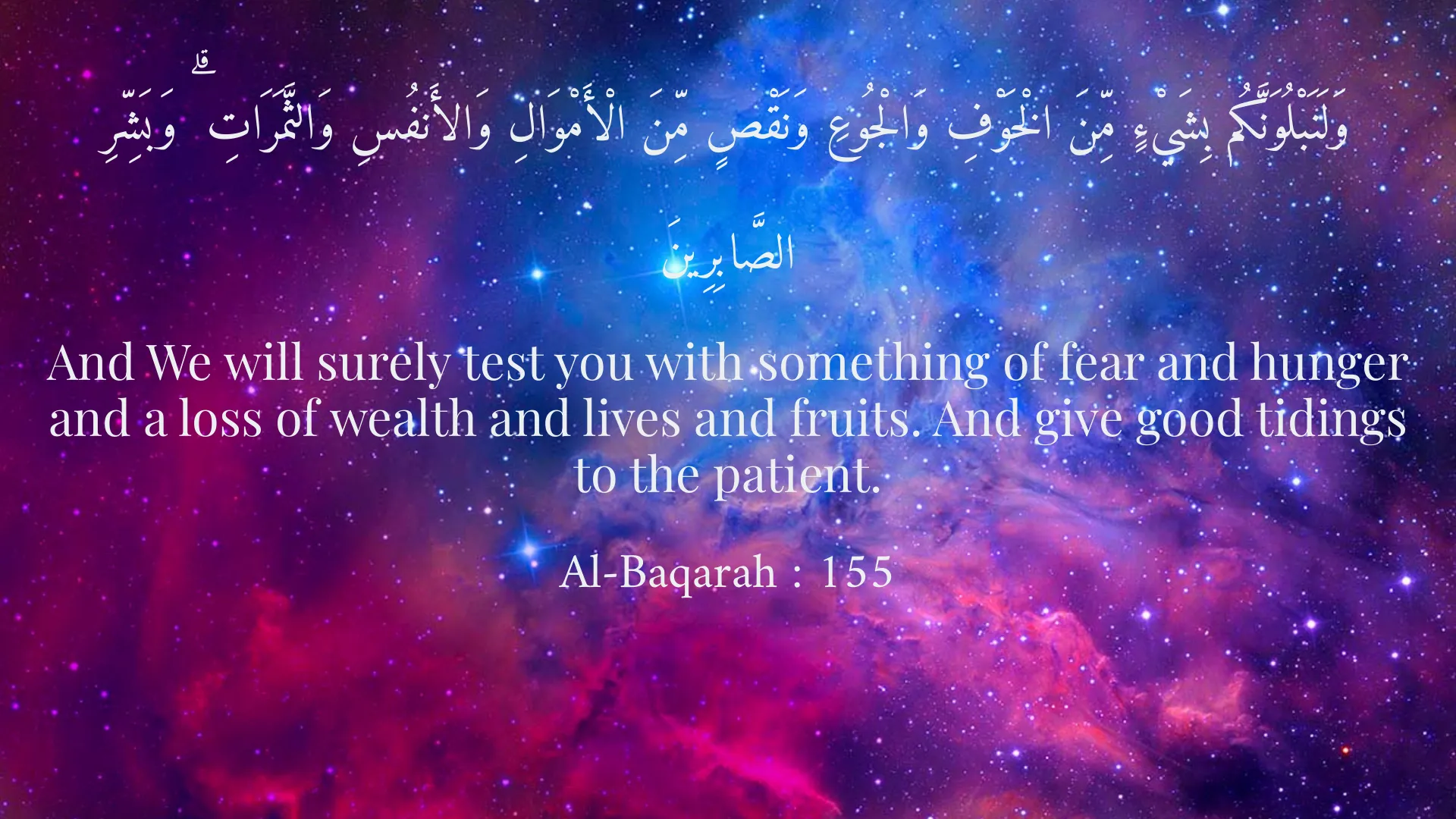
وَلَنَبْلُوَنَّكُم بِشَيْءٍ مِّنَ الْخَوْفِ وَالْجُوعِ وَنَقْصٍ مِّنَ الْأَمْوَالِ وَالأَنفُسِ وَالثَّمَرَاتِ ۗ وَبَشِّرِ الصَّابِرِينَ
And We will surely test you with something of fear and hunger and a loss of wealth and lives and fruits. And give good tidings to the patient.
Al-Baqarah : 155
وَلَا تَهِنُوا وَلَا تَحْزَنُوا وَأَنتُمُ الْأَعْلَوْنَ إِن كُنتُم مُّؤْمِنِينَ
And do not weaken and do not grieve, and you will be superior if you are believers.
Al-Imran : 139
قَالَ إِنِّي أَعُوذُ بِالرَّحْمَٰنِ مِنكَ إِن كُنتَ تَقِيًّا
He said, 'I seek refuge in the Most Merciful from you, if you should be among the righteous.'
Maryam : 46
Short Story
One day, in a city, there was a man named Saman who had recently lost a loved one. He was immersed in grief and didn't know how to cope with this loss. One day, an old friend came to visit him and said, 'Don't stay silent, share your pain.' Saman decided to express his feelings to others and gradually realized that talking gave him comfort. He also turned to the remembrance of God and cherished the verses of the Quran, finding greater peace through this.