Quranic Answer
The Holy Quran is a profound text that serves not only as a sacred guide for millions of Muslims around the world but also as a source of wisdom and moral clarity that addresses the inherent struggles of human existence. Throughout its verses, it emphasizes that trials and sins are intrinsic to the human experience. These challenges often arise in a world filled with distractions, temptations, and moral ambiguities, necessitating a framework for understanding and overcoming them. In this article, we will examine the verses of the Quran that provide guidance on navigating these trials, focusing on the importance of faith, humility, prayer, and community in maintaining a pious life. The necessity of humility and sincerity in one’s worship is poignantly described in Surah Al-Mu’minun (Chapter 23), verses 1 and 2: "Successful indeed are the believers, who are humble in their prayers and who avoid vain talk." This verse delineates the characteristics of true believers – those who are not only devout in their prayers but also conscious of their speech and actions. In a society where superficiality and frivolous discourse often dominate conversations, believers are reminded to cultivate an attitude of seriousness and respect in their spiritual practice. This humility in prayer is not just about the physical act of bowing and prostrating; it is a deeper state of mind – a sincere acknowledgment of one's dependence on God and a recognition of His greatness. Moreover, the admonition to avoid vain talk points to the broader implications of how one engages with the world. Engaging in idle talk or gossip detracts from a believer's purpose and can lead to sinful behaviors. In an age where social media amplifies idle chatter, the Quran’s guidance encourages believers to use their words wisely and to contribute positively to discussions, fostering a culture of kindness and respect. Living in a world often marked by corruption and sinful behavior, it becomes imperative for individuals to consciously remember God and surround themselves with reminders of His presence. Surah Aal-E-Imran (Chapter 3), verse 200 underscores this sentiment: "O you who have believed, persevere and endure and remain stationed and fear Allah that you may be successful." Here, faith is intertwined with a call to patience and resilience in the face of adversity. Trials are inevitable, yet how one responds to them is within their control. The reminder to fear Allah emphasizes that one must remain conscious of God's watchfulness and guidance when faced with challenges. In addition to personal endurance, Surah Al-Baqarah (Chapter 2), verse 177 calls believers to be proactive in their pursuit of goodness: "Righteousness is in one who believes in Allah, the Last Day, the Angels, the Book, and the Prophets and gives his wealth, in spite of love for it, to relatives, orphans, the needy, the traveler, those who ask [for help], and for freeing slaves; and [who] establishes prayer and gives zakah; and [who] fulfills their promise when they promise; and [who] are patient in poverty and hardship and during battle. Those are the ones who have been true, and it is those who are the righteous." This comprehensive definition of righteousness encompasses not only belief but also action. It illustrates that true faith manifests itself through charity, prayer, and integrity. The act of helping others, especially those who are vulnerable or in need, is a powerful way to counteract the negativity and sin that often pervades society. By focusing on altruism and communal responsibility, believers can create an environment that fosters righteousness and mutual support, making it easier to resist the temptations of sin. The importance of maintaining a strong connection with God cannot be overstated. Prayer (Salah) serves as a lifeline for believers, keeping them anchored amid life's tumultuous waves. Regular prayer provides not just a sense of discipline but also a moment of reflection and connection to the Divine. In times of hardship, prayer becomes a place of solace, where one finds comfort and guidance. It is a means of seeking assistance and strength to navigate the uncertainties of life and remain steadfast against trials. Equally important is the company one keeps. The Quran teaches that being surrounded by righteous and devoted individuals can protect one from falling into sin. Having a support system of like-minded believers encourages accountability and provides a community that shares common goals and values. It is within this environment that individuals can flourish spiritually, inspired by one another's faith and contributions to goodness. Ultimately, the tools to combat sin and trials are deeply rooted in faith and piety. The Quran continually reinforces the idea that these characteristics are not just beneficial but necessary for survival in a world that often challenges moral fortitude. By adhering to the principles laid out in the Quran, individuals can cultivate a life of purity and righteousness, even when surrounded by the temptations of sinful behavior. In conclusion, the Holy Quran serves as a comprehensive guide for believers striving to maintain their faith amidst trials and tribulations. Its teachings underscore the importance of humility, sincere prayer, patience, and community in upholding a righteous life. As Muslims navigate the complexities of modern life, the timeless wisdom of the Quran remains a beacon of hope and direction, guiding them towards lives filled with purpose, purity, and piety. In recognizing the moral challenges that lie ahead, it is through the sustenance of one’s faith and connection to God that believers can remain resilient and steadfast, ultimately thriving despite the trials they encounter.
Related Verses
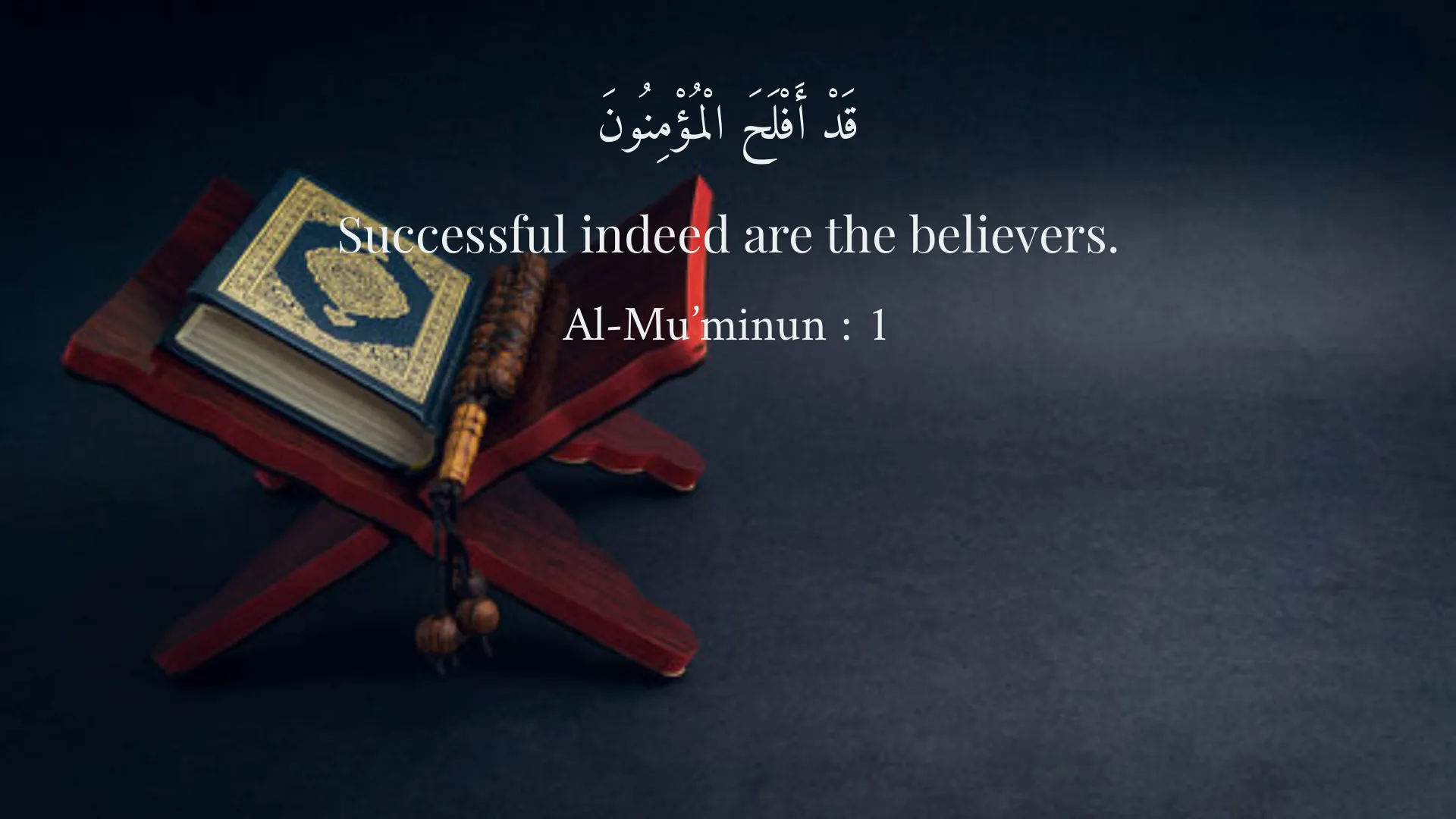
قَدْ أَفْلَحَ الْمُؤْمِنُونَ
Successful indeed are the believers.
Al-Mu’minun : 1
يَـٰٓأَيُّهَا الَّذِينَ ءَامَنُوا ٱصْبِرُوا وَصَابِرُوا وَرَـٰبِطُوا وَٱتَّقُوا ٱللَّهَ لَعَلَّكُمْ تُفْلِحُونَ
O you who have believed, persevere and endure and remain stationed and fear Allah that you may succeed.
Aal-E-Imran : 200
لَيْسَ ٱلبرُّ أَن تُوَلُّوا وُجُوهَكُمْ قِبَـٰلَ ٱلْمَشْرِقِ وَٱلْمَغْرِبِ وَلَكِنَّ ٱلبرَّ مَن ءَامَنَ بِٱللَّهِ وَٱلْيَوْمِ ٱلْـٔاخِرِ وَٱلْمَلَـٰٓئِكَةِ وَٱلْكِتَـٰبِ وَٱلنَّبِيِّينَ وَأَتَى ٱلْمَالَ عَلَىٰ حُبِّهِۦ ذَوِي ٱلْقُرْبَىٰ وَٱلْيَتَامَىٰ وَٱلْمَسَـٰكِينِ وَٱبْنَ ٱلسَّبِيلِ وَٱلسَّآئِلِينَ وَفِى ٱلرِّقَابِ وَأَقَامَ ٱلصَّلَوٰةَ وَءَاتَى ٱلزَّكَوةَ وَٱلْمُوْفُونَ بِعَهْدِهِمْ إِذَا عَاهَدُوا وَٱلصَّـٰبِرِينَ فِى ٱلْبَأْسَآءِ وَٱلضَّرَّاءَ وَحِينَ ٱلْبَأْسِ أُو۟لَـٰٓئِكَ ٱلَّذِينَ صَدَقُوا ۖ وَأُو۟لَـٰٓئِكَ هُمُ ٱلْمُتَّقُونَ
Righteousness is not that you turn your faces toward the east or the west, but [true] righteousness is in one who believes in Allah, the Last Day, the Angels, the Scripture, and the Prophets and gives his wealth, in spite of his love for it, to relatives, orphans, the needy, the traveler, those who ask [for help], and for freeing slaves; and [that one] establishes prayer and gives zakah; [and those who] fulfill their promise when they promise; and [those who] are patient in poverty and hardship and during battle. Those are the ones who have been true, and it is those who are the righteous.
Al-Baqarah : 177
Short Story
One day, in the heart of a sinful city, a young man named Omid decided to stay true to his faith. He would pray daily and gather with his righteous friends to discuss the Quran and religious teachings. Omid knew that this practice would help him resist temptations and remain pure in the midst of this sinful city. His confidence in staying firm to his religious principles inspired not only himself but also others to embrace purity and piety.