Quranic Answer
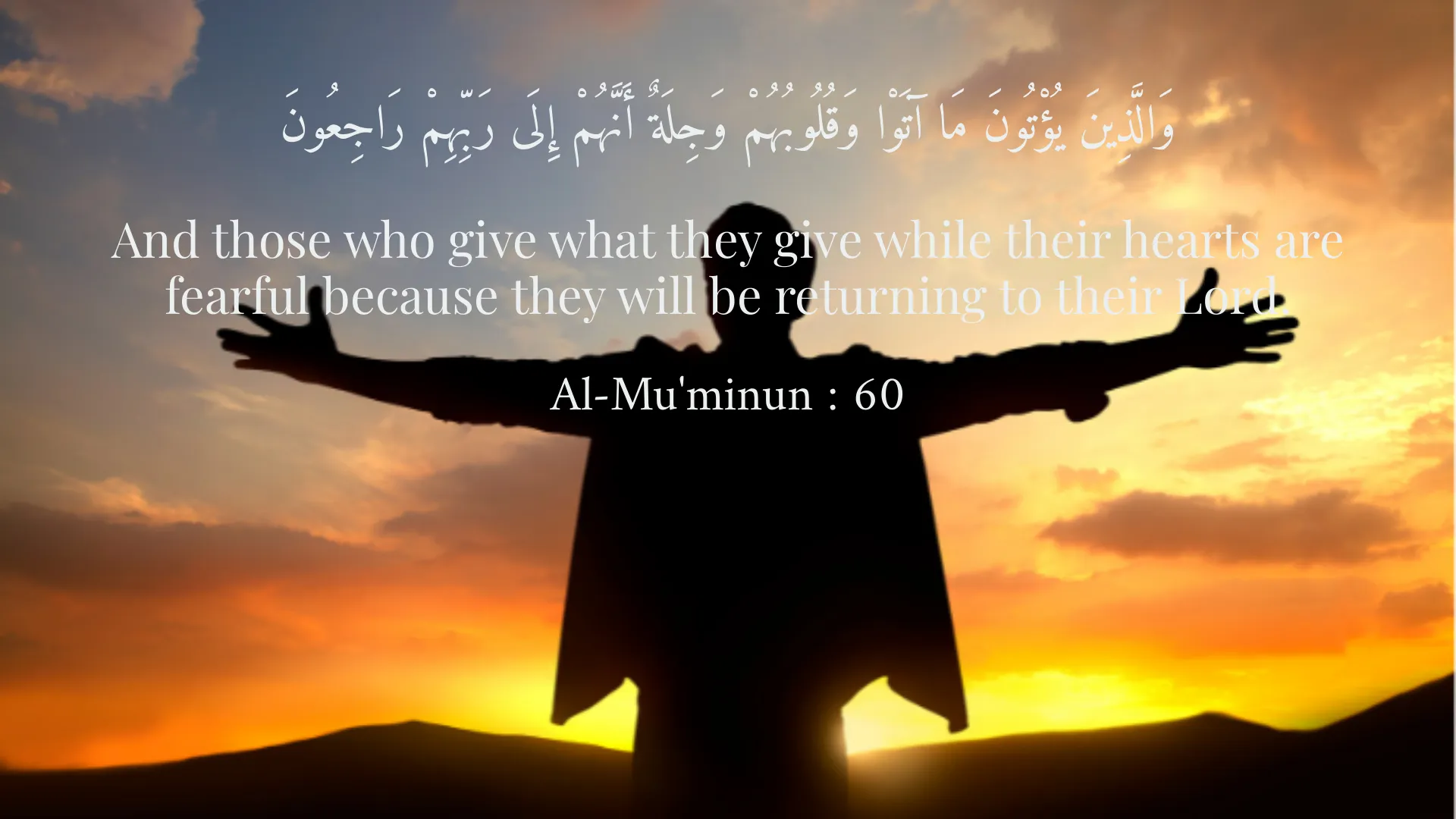
Crying out of fear of God is a profound spiritual emotion that transcends simple sorrow or weakness. It signifies a deep connection and reverence toward the Creator, embodying an essential aspect of many religious beliefs where the fear of God serves as a vital element of faith. This emotion, rather than being a mere display of vulnerability, exemplifies a believer's sincerity, humility, and commitment to their faith. In the Holy Quran, this theme is illustrated beautifully, especially in Surah Al-Mu'minun, verse 60, which states, 'And those who give what they give while their hearts are fearful because they will be returning to their Lord.' This verse captures the essence of crying out of fear of God being rooted in love and recognition of one's own limitations and accountability before the divine. To understand this concept more profoundly, we can explore the relationship between fear and love in the context of spirituality. Fear of God, often referred to in religious texts, does not stem from an emotion of terror but rather from a deep-seated respect and acknowledgement of God's immense power and justice. It is a recognition of one's place in the universe, where humans, while being loved by God, are also subject to divine laws and consequences for their actions. This duality can lead to a tearful acknowledgement of one's shortcomings and a desire for forgiveness, prompting an emotional reaction such as crying. Crying out of love and reverence for God can also be seen as an expression of gratitude. When believers reflect on their blessings and the infinite mercy of God, their hearts become softened, leading them to tears of appreciation and longing. This emotional release illustrates a profound connection to the Creator, reinforcing the idea that tears are not merely a sign of weakness but manifestations of deep spiritual experiences. The power of such emotions is often emphasized by various religious scholars and infallible Imams, who describe sincere emotional expressions as signs of a true believer's relationship with God. These expressions can manifest in the form of crying during prayer, while reading scripture, or in moments of personal reflection and repentance. Moreover, in many religious traditions, this notion is supported by the understanding that the greatest sinners can achieve profound transformations through fear of God and the subsequent tears of repentance. Crying becomes a cathartic experience, allowing the individual to release feelings of guilt, shame, and fear. This moment of vulnerability can be seen as a gateway to spiritual enlightenment, leading believers to seek forgiveness and cultivate a more profound relationship with God. For instance, many religious figures and saints have shared experiences of crying due to their awareness of God's greatness and their human frailties, which highlights that true strength lies in embracing emotions rather than repressing them. On the other hand, the avoidance of showing fear through emotional expressions like crying could indicate a lack of awareness or understanding of one's relationship with God. Individuals who feel embarrassed to cry may not fully grasp the significance of humility in front of the Almighty. They may struggle with a sense of pride or a misconception of stoicism that glosses over the beauty and necessity of vulnerability in a spiritual journey. In this sense, the ability to cry and show fear of God can also be linked to the idea of surrender. Acknowledging one's vulnerabilities and weaknesses before God is not an act of cowardice but a courageous admission of humanity. Embracing tears as a genuine response to the divine presence can strengthen one’s faith and foster a closer relationship with God. When believers cry out of fear and love, they signal their commitment to abide by divine prohibitions while simultaneously seeking mercy and forgiveness. This reciprocal nature of love and fear serves to illustrate a believer's emotional journey, where crying forms an integral part. To embrace this concept fully, believers are encouraged to cultivate a habit of reflection and remembrance of God. Regular prayer, study of religious texts, and participation in community worship can help nurture a spirit of gratitude and awareness of the divine. Through these practices, individuals can become more attuned to their emotions, allowing themselves to experience the profound spiritual benefits that come from crying out of fear of God. In moments of prayer, whether it be during solemn rituals or personal supplications, individuals are invited to embrace their vulnerability and allow their tears to flow. Ultimately, crying out of fear of God should be viewed as a vital aspect of spiritual growth. It allows believers to express their deepest feelings, encourage introspection, and foster a sincere relationship with the Almighty. By viewing these tears as connections to the divine and expressions of love, people can find strength in vulnerability. It serves as a reminder that faith is not merely about adhering to rules or rituals, but about being open to the profound emotional experiences that arise from a relationship with God. This understanding encourages individuals to embrace their tears in moments of worship, reflection, and gratitude, reinforcing the idea that crying out of fear of God is indeed a testament to one's faith and love for the Creator.
Related Verses
وَالَّذِينَ يُؤْتُونَ مَا آتَوْا وَقُلُوبُهُمْ وَجِلَةٌ أَنَّهُمْ إِلَى رَبِّهِمْ رَاجِعُونَ
And those who give what they give while their hearts are fearful because they will be returning to their Lord.
Al-Mu'minun : 60
Short Story
One day, a great mystic was sitting among his disciples, teaching them about fearing Allah. He said, 'Crying for God is a sign of love and closeness to Him.' Just then, one of his disciples cried out loud, 'O master, I fear God's mercy, and that's why my tears flow.' The mystic smiled and said, 'These tears are a sign of your faith and a way to come closer to God. Never be ashamed of this feeling.'