Quranic Answer
The emergence of cryptocurrency has revolutionized the financial landscape, posing both innovative opportunities and complex challenges, especially within the framework of Islamic finance. As cryptocurrencies continue to gain traction globally, it becomes imperative to explore their compatibility with Islamic principles. The discourse on the acceptability of cryptocurrencies in Islam is not merely a matter of financial technology but digresses into the realms of ethics, morality, and adherence to religious tenets. At the very heart of the challenge is the nature of cryptocurrencies, which can be described as digital or virtual currencies that utilize cryptography for security. Unlike traditional currencies issued by governments (fiat currencies), cryptocurrencies operate on decentralized technology, primarily blockchain. This revolutionary approach to currency and asset exchange brings forth questions about legitimacy in Islamic finance. The Holy Quran, the primary source of Islamic guidance, does not explicitly reference cryptocurrencies since they did not exist at the time of revelation. However, Islamic scholars have often pointed to certain broad principles that can help in evaluating modern financial tools, including cryptocurrencies. The key principles include ensuring fair transactions, refraining from usury (riba), and avoiding excessive uncertainty (gharar) and gambling (maysir). One of the significant Quranic references pertinent to financial transactions arises from Surah Al-Baqarah (2:275), which states: 'Those who consume interest cannot stand on the Day of Resurrection except as one stands who is being beaten by Satan into insanity.' This emphasizes the condemnation of riba, or usury, which has been a cornerstone of Islamic finance. In examining cryptocurrencies, it’s critical to assess whether their use would encourage transactions that resemble usurious practices or lead to unjust enrichment. Moreover, the Quranic verse in Surah Al-Ma'idah (5:90) warns against gambling: 'O you who have believed, indeed, intoxicants, gambling, [sacrificing on] stone alters [to other than Allah], and divining arrows are but defilement from the work of Satan, so avoid it that you may be successful.' This reference raises pertinent questions concerning the speculative nature of many cryptocurrencies, which may result in gambling-like behavior among traders as they risk capital without any guaranteed returns. Such practices would stand in stark contradiction to Islamic values emphasizing risk-sharing and backed investment. Beyond Quranic verses, Islamic jurisprudence—Ijtihad—has been instrumental in deducing rulings through the lens of Shariah principles. Scholars have differing opinions on cryptocurrency's usability based on its technological underpinnings and its application in the market. For instance, if cryptocurrencies serve as mediums of exchange similar to traditional currency, allowing for transactions that are transparent, fair, and devoid of usury, some scholars may consider them permissible. However, the volatile nature of the cryptocurrency market may complicate this assessment. The rapid fluctuations in value can prompt speculative behavior that raises ethical concerns in transactions. A significant aspect of Islamic finance is the promotion of equity and social justice. The high-volatility nature of cryptocurrencies may lead to scenarios where investors engage in transactions that are precarious or potentially exploitative, potentially infringing on the principle of fairness central to Islamic teachings. This underscores the necessity for careful scrutiny and conscious usage of any cryptocurrency in avoidance of unjust enrichment. In addition, a considerable concern surrounding cryptocurrency revolves around its association with illicit activities. Due to its decentralized structure and the pseudonymous nature of transactions, cryptocurrencies have been the medium of choice for some illegal enterprises, ranging from drug trafficking to money laundering. This association might cause reluctance among scholars and potential users to full-heartedly embrace cryptocurrencies within an Islamic framework. Upholding ethical behavior and compliance with law and regulation is paramount. Experts recommend that Muslims interested in cryptocurrencies should not only familiarize themselves with the underlying technology and mechanisms of cryptocurrencies but also seek guidance from knowledgeable figures in Islamic finance. Consulting religious authorities familiar with both contemporary financial practices and Shariah law can help navigate the complex landscape of cryptocurrencies and determine an ethical path forward. In conclusion, the integration of cryptocurrency within Islamic frameworks invites ongoing dialogue among scholars and members of the Muslim community. While it is not inherently forbidden, users must exercise caution, ensuring that their engagement aligns with Shariah principles. The principles of fairness, avoidance of usury, and prohibition of gambling must guide utilization to validate the ethical standing of cryptocurrencies within the context of Islamic finance. As new developments unfold in this swiftly changing realm, continuous learning and adherence to religious tenets will be crucial for individual Muslims seeking to embrace technological advancements while honoring their faith.
Related Verses
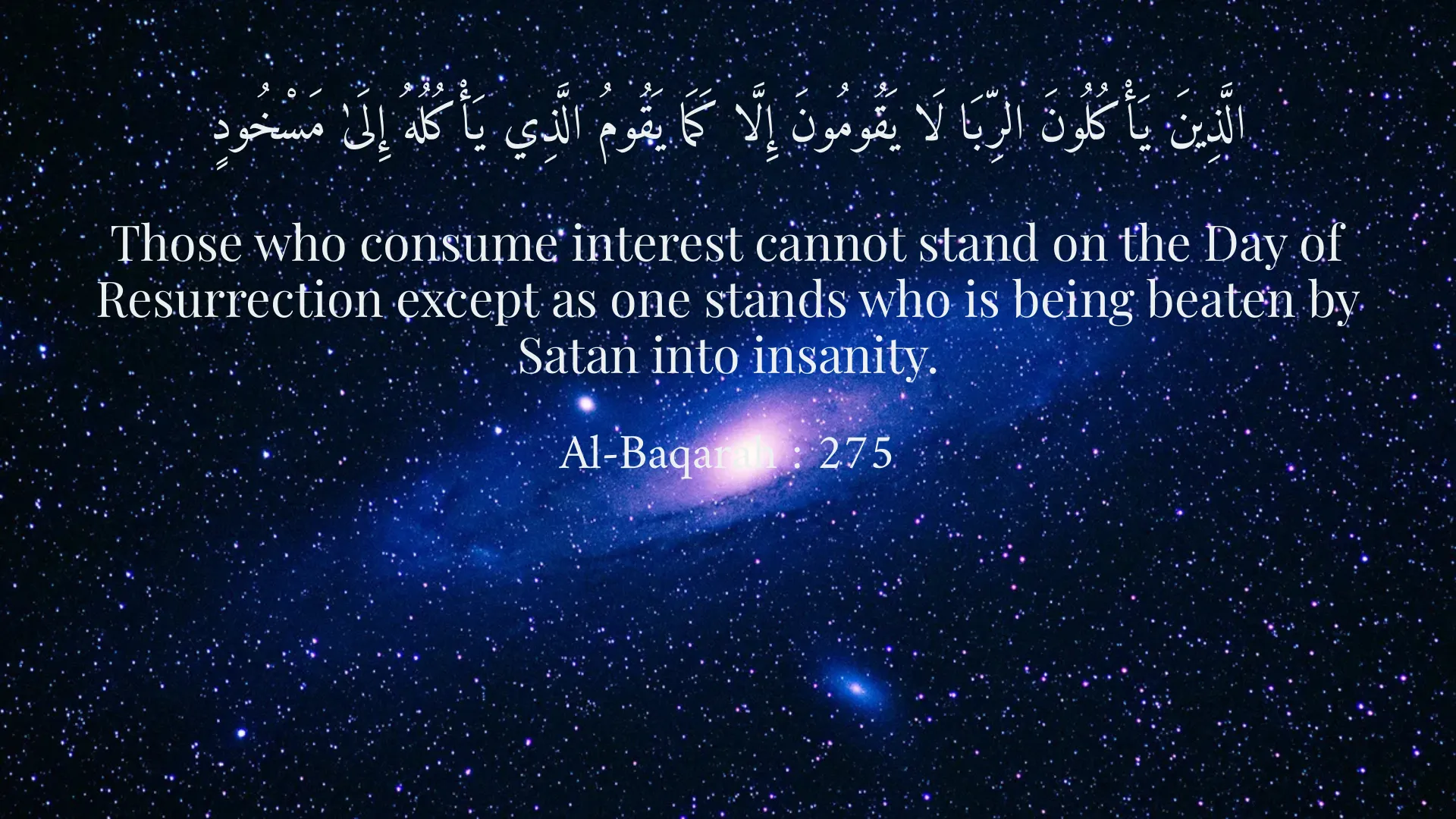
الَّذِينَ يَأْكُلُونَ الرِّبَا لَا يَقُومُونَ إِلَّا كَمَا يَقُومُ الَّذِي يَأْكُلُهُ إِلَىٰ مَسْخُودٍ
Those who consume interest cannot stand on the Day of Resurrection except as one stands who is being beaten by Satan into insanity.
Al-Baqarah : 275
يَا أَيُّهَا الَّذِينَ آمَنُوا إِنَّمَا الْخَمْرُ وَالْمَيْسِرُ وَالْأَصْنَامُ وَأَنْ تَشْتَغِلُوا إِنَّمَا رِجْسٌ مِّنْ عَمَلِ الشَّيْطَانِ
O you who have believed, indeed, intoxicants, gambling, [sacrificing on] stone alters [to other than Allah], and divining arrows are but defilement from the work of Satan, so avoid it.
Al-Ma'idah : 90
Short Story
One day in the marketplace, a young man named Ali heard about cryptocurrency and grew curious. He asked a religious scholar whether investing in this area was permissible. The scholar replied that one must avoid prohibitions and consider fair and ethical trade. With this advice, Ali decided to research more on the topic and ensured that he adhered to Islamic principles in his dealings.