Quranic Answer
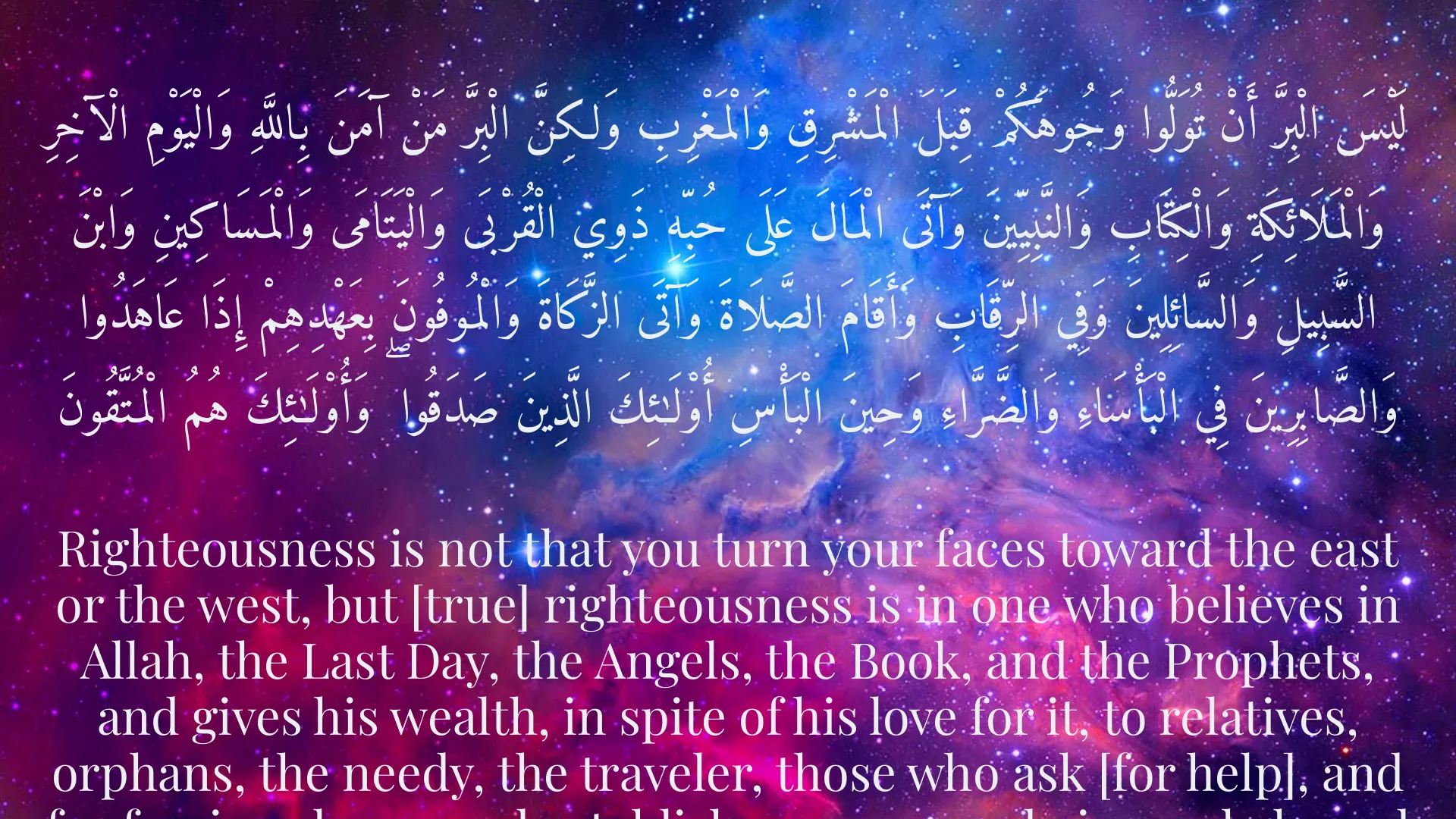
The concept of divine satisfaction is pivotal in Islamic theology, where believers aspire to earn Allah's pleasure through their actions and intentions. This notion is articulated profoundly within the verses of the Quran, capturing the essence of faith and righteous deeds as the primary pathways to garner divine approval. In Surah Al-Baqarah, verse 177, Allah elucidates the characteristics of true belief, emphasizing that faith in God and the Day of Judgment, in conjunction with acts of charity and positivity, signify a genuine believer. This verse reinforces that divine satisfaction is intricately connected to our spiritual and moral conduct. The Quran consistently highlights that the essence of faith transcends mere acknowledgment of Allah's existence. It mandates believers to exemplify their faith through tangible actions—charity, good deeds, and moral integrity. This reminder serves not only to enlighten Muslims about the conditions for divine pleasure but also propels them towards introspection regarding their daily lives and decisions. Engaging in acts of kindness, supporting those in need, and leading a life grounded in ethical principles are reiterations of a believer's commitment to earning Allah's pleasure. Additionally, Surah Al-Imran, verse 31, reinforces this relationship between love for God, His Messenger, and the assurance of divine love. Here, Allah commands His Messenger to convey that if individuals genuinely love him and believe in him, then Allah will reciprocate this love. This notion of mutual affection elucidates the powerful bond between human beings and the divine, illustrating that love for God must resonate within the fabric of one’s faith. It underscores that spiritual growth is not a solitary journey; rather, it flourishes in the embrace of community, connection, and collective worship, thereby amplifying the quest for pleasing Allah. Furthermore, Surah Al-Ma'idah, verse 54, emphasizes that earnestness in seeking Allah guarantees His blessings and mercy. This verse serves as an invitation for believers to approach their Creator with sincerity, reinforcing the notion that Allah’s mercy is boundless and awaits those who seek Him genuinely. The promise of divine attention concurrently encourages individuals to cultivate their spirituality through sincere efforts, fostering a deeper relationship with their Creator. The interplay of divine satisfaction and righteous conduct culminates in spiritual fulfillment. To truly embark on the path toward Allah’s pleasure, one must engage in a variety of practices that enhance one's spiritual standing. Prayer, akin to an unbreakable thread, binds the believer to their Creator. The daily prayers serve as an opportunity for personal reflection, gratitude, and spiritual connection, reinforcing the fabric of faith while enabling the believer to seek guidance and forgiveness in their endeavors. In addition to prayer, supplication (dua) plays a critical role in nurturing a believer’s heart and mind. It is through supplication that individuals express their deepest desires and vulnerabilities. This act of reaching out to Allah signifies humility and dependence on Him, thereby intensifying the aspiration for His approval. Supplication is not merely a means to an end; rather, it is an avenue for fostering emotional and spiritual closeness to Allah, further amplifying the quest for His pleasure. Charity stands as a significant pillar within Islam, providing numerous opportunities for earning divine favor. Engaging in acts of charity catalyzes a transformative process within the believer, offering a profound understanding of compassion, empathy, and social responsibility. Charity does not solely pertain to financial contributions; it encompasses acts of kindness, support, and community involvement, all contributing to the welfare of society at large. By uplifting others, believers not only fulfill their obligations but also elevate their standing with Allah, creating a ripple effect of positivity rooted in divine satisfaction. Moreover, avoiding sins and refraining from negative actions constructs an integral aspect of seeking Allah’s pleasure. The conscious effort to refrain from actions deemed sinful demonstrates a devotee’s commitment to moral rectitude. This commitment fosters an environment of spiritual awareness and sensitivity to the subtle whispers of conscience. It necessitates a vigilant approach, ensuring that words, actions, and intentions align with the character of a believer devoted to pleasing Allah. It is imperative for Muslims to remember that Allah is perpetually aware of their actions. The Quran reassures believers that when they turn their hearts towards Him, He draws nearer to them. This reciprocal relationship alleviates spiritual burdens and reinforces hope in the hearts of those who might falter. Believers must maintain steadfastness in their journey, knowing that they are not alone and that every righteous act is acknowledged and cherished by Allah. In conclusion, the journey toward earning Allah’s pleasure is marked by conscious efforts, spiritual nurturing, and the consistent practice of righteousness. The Quran acts as a guiding light, illuminating the traits of true belief and the avenues through which believers can seek divine satisfaction. As individuals engage in acts of faith, charity, prayer, and moral conduct, they contribute to a life brimming with purpose and spiritually enriching experiences. Recognizing the profound relationship between divine satisfaction and human actions fosters a deeper understanding of faith, steering believers toward a purposeful existence committed to pleasing Allah. Therefore, let us strive to embody the virtues that lead to Allah’s approval, nurturing a bond characterized by love, sincerity, and a relentless pursuit of righteousness, for this path ultimately leads to the eternal pleasure of our Creator.
Related Verses
لَيْسَ الْبِرَّ أَنْ تُوَلُّوا وَجُوهَكُمْ قِبَلَ الْمَشْرِقِ وَالْمَغْرِبِ وَلكِنَّ الْبِرَّ مَنْ آمَنَ بِاللَّهِ وَالْيَوْمِ الْآخِرِ وَالْمَلَائِكَةِ وَالْكِتَابِ وَالنَّبِيِّينَ وَآتَى الْمَالَ عَلَى حُبِّهِ ذَوِي الْقُرْبَى وَالْيَتَامَى وَالْمَسَاكِينِ وَابْنَ السَّبِيلِ وَالسَّائِلِينَ وَفِي الرِّقَابِ وَأَقَامَ الصَّلَاةَ وَآتَى الزَّكَاةَ وَالْمُوفُونَ بِعَهْدِهِمْ إِذَا عَاهَدُوا وَالصَّابِرِينَ فِي الْبَأْسَاءِ وَالضَّرَّاءِ وَحِينَ الْبَأْسِ أُوْلَـٰئِكَ الَّذِينَ صَدَقُوا ۖ وَأُوْلَـٰئِكَ هُمُ الْمُتَّقُونَ
Righteousness is not that you turn your faces toward the east or the west, but [true] righteousness is in one who believes in Allah, the Last Day, the Angels, the Book, and the Prophets, and gives his wealth, in spite of his love for it, to relatives, orphans, the needy, the traveler, those who ask [for help], and for freeing slaves; and establishes prayer and gives zakah; and those who fulfill their promise when they promise; and [those who are] patient in hardship and during battle. Those are the ones who have been true, and it is those who are the righteous.
Al-Baqarah : 177
قُلْ إِن كُنتُمْ تُحِبُّونَ اللَّهَ فَاتَّبِعُونِي يُحْبِبْكُمُ اللَّهُ وَيَغْفِرْ لَكُمْ ذُنُوبَكُمْ ۗ وَاللَّهُ غَفُورٌ رَّحِيمٌ
Say, 'If you love Allah, then follow me, so Allah will love you and forgive you your sins. And Allah is Forgiving and Merciful.'
Al-Imran : 31
يَا أَيُّهَا الَّذِينَ آمَنُوا مَن يَرْتَدَّ مِنْكُمْ عَنْ دِينِهِ فَسَوْفَ يَأْتِي اللَّهُ بِقَوْمٍ يُحِبُّهُمْ وَيُحِبُّونَهُ أَذِلَّةٍ عَلَى الْمُؤْمِنِينَ أَعِزَّةٍ عَلَى الْكَافِرِينَ يُجَاهِدُونَ فِي سَبِيلِ اللَّهِ وَلَا يَخَافُونَ لَوْمَةَ لائِمٍ ۚ ذَلِكَ فَضْلُ اللَّهِ يُؤْتِيهِ مَنْ يَشَاءُ ۗ وَاللَّهُ وَاسِعٌ عَلِيمٌ
O you who have believed, whoever of you should revert from his religion - Allah will bring forth [for] a people He will love and who will love Him, [who are] humble toward the believers, powerful against the disbelievers. They strive in the cause of Allah and do not fear the blame of a critic. That is the favor of Allah; He bestows it upon whom He wills. And Allah is All-Encompassing and Knowing.
Al-Ma'idah : 54
Short Story
Saeed, a young man, was in search of the meaning of God's satisfaction in his life. He often visited mosques and read the Quran. One day, while reciting a verse from the Quran about good deeds and loving others, he decided to help those in need more and be kinder. After some time, he felt a good feeling within himself, realizing that God's approval came from his pure and righteous intentions.