Quranic Answer
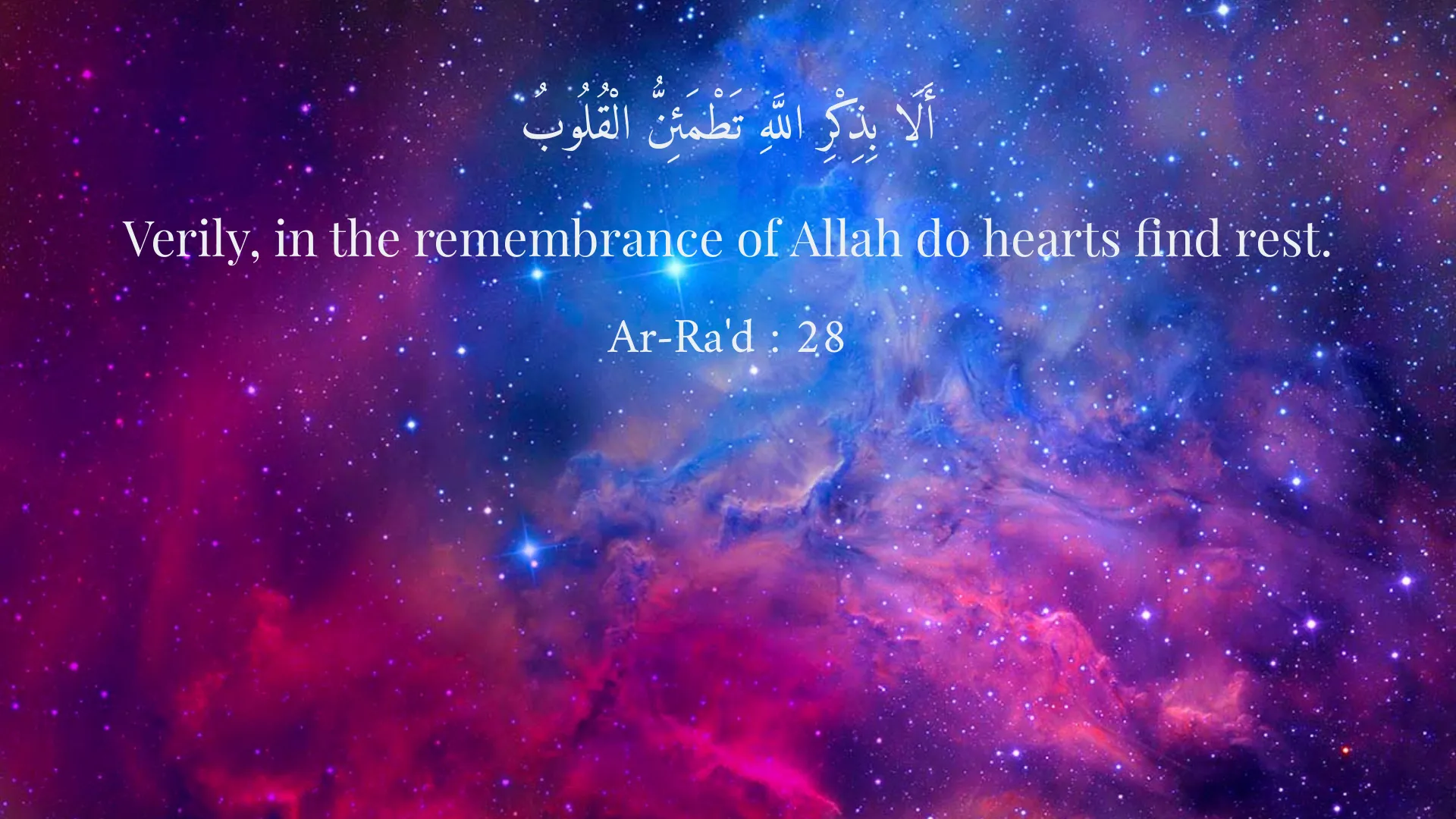
Happiness and religiosity are two concepts that have been profoundly analyzed and addressed within various religious texts, philosophies, and paradigms throughout history. The Holy Quran, in particular, provides an in-depth exploration of the relationship between faith and happiness. In Islamic teachings, a direct and positive relationship exists between one's faith in God and the experience of happiness in life. This connection is not merely theoretical; it is presented as a practical and tangible source of comfort and joy for believers. In this article, we will delve into how religiosity can lead to happiness, exploring Quranic verses that address these concepts and unpacking the implications of such teachings on the life of a believer. The idea that happiness is achievable through a strong relationship with God is intricately woven into the fabric of Islamic teachings. A prominent verse that illustrates this is found in Surah Ar-Ra'd, verse 28, where Allah states, 'Verily, in the remembrance of Allah do hearts find rest.' This powerful verse encapsulates the essence of spiritual tranquility. It suggests that a believer's sense of peace and joy in life is rooted in the remembrance of God. The act of remembering Allah or engaging in spiritual reflection is viewed as a method of attaining inner peace. This verse emphasizes that no matter the challenges and difficulties a believer faces, they can find solace in their faith, which acts as a protective shield against despair. Moreover, the Quran encourages believers to reflect on the signs of Allah and act upon them. This notion is illustrated in Surah Hud, verse 88, where Prophet Hud (peace be upon him) informs his people: 'And whoever reflects on God's signs and acts upon them will find happiness.' This statement highlights a crucial aspect of Islamic belief: that true happiness and fulfillment are not merely products of external circumstances but are achieved through conscious reflection, understanding, and righteous actions that align with divine guidance. The concept of acting upon God’s signs indicates a proactive approach to life, engaging with and embodying the teachings of Islam, which ultimately leads to a fulfilling and joyous existence. Islam recognizes that a joyful life alongside practicing faith is both possible and encouraged. It serves as an affirmation that religions, particularly Islam, do not advocate for asceticism or a life devoid of joy. Instead, there is a significant emphasis on joyfulness as a part of the faithful experience. In Surah Al-Maidah, verse 32, a profound principle is presented: 'Whoever kills a soul unless for a soul or for corruption [done] in the land—it is as if he had slain mankind entirely.’ This verse underscores the sanctity of human life and the need to promote stability, harmony, and social welfare in society. By emphasizing the preservation of life, Islam inherently links ethical conduct to personal and communal happiness. This ethical dimension of faith reflects the idea that a harmonious society, rooted in compassion and justice, contributes to the overall happiness of its members. Happiness in Islam is thus not solely about individual joy but extends toward collective well-being. The teachings of the Quran advocate for a society where kindness, justice, and mutual care are cornerstones. Such a society provides an environment where individuals can thrive emotionally and spiritually. The collective practices of worship, community service, and mutual support among believers foster a sense of belonging and purpose that is integral to experiencing happiness. Additionally, the relationship between religiosity and happiness can be viewed from a psychological perspective. Research has shown that people who engage in religious practices often report higher levels of happiness and satisfaction in life. This can be attributed to several factors, including the development of social networks, reduced anxiety and depression levels, and enhanced coping mechanisms during difficult times. Faith-based communities provide emotional support, encourage resilience, and instill a sense of meaning in life—all of which are crucial elements contributing to happiness. Furthermore, the practice of gratitude is central to both religiosity and happiness in Islam. Islam teaches believers to appreciate the blessings they have, regardless of their life’s challenges. This sense of gratitude promotes positive thinking and mental well-being. In Surah Ibrahim, verse 7, Allah mentions: 'And [remember] when your Lord proclaimed: 'If you give thanks [by being grateful], I will surely increase your favor upon you.' This verse indicates that expressing gratitude not only enhances one’s happiness but also invites further blessings. A grateful heart can find joy in simple pleasures and navigate through adversity with a positive outlook. In conclusion, the harmonious relationship between happiness and religiosity is abundantly clear through the teachings of the Quran. Faith provides believers with the tools to find tranquility in remembrance of God, encourages reflection and righteous actions, emphasizes the importance of preserving life, and promotes ethical conduct within society. Additionally, the psychological mechanisms associated with faith foster a supportive environment where happiness can flourish. Therefore, one can confidently assert that religiosity and happiness not only coexist but enhance one another, creating a comprehensive framework for a fulfilling and joyful life within the context of Islam. This profound wisdom serves as a guiding light for individuals seeking happiness through a deeper, more meaningful connection with their faith.
Related Verses
أَلَا بِذِكْرِ اللَّهِ تَطْمَئِنُّ الْقُلُوبُ
Verily, in the remembrance of Allah do hearts find rest.
Ar-Ra'd : 28
وَمَا أَعْلَمُ مَا يُفِيضُ عَلَيْكُمْ
And whoever reflects on God's signs and acts upon them will find happiness.
Hud : 88
مَن قَتَلَ نَفْسًا بِغَيْرِ نَفْسٍ أَوْ فَسَادٍ فِي الْأَرْضِ فَكَأَنَّمَا قَتَلَ النَّاسَ جَمِيعًا
Whoever kills a soul unless for a soul or for corruption [done] in the land—it is as if he had slain mankind entirely.
Al-Maidah : 32
Short Story
Once upon a time, there was a young man named Yaser who had recently embraced faith. He often felt restless and discontented. One day, he went to the mosque and spoke with a cleric about the reasons for happiness and peace. The scholar said, 'God expects you to surrender yourself to Him and truly feel the faith.' Yaser found comfort in remembering God and praying, which allowed him to start a new life full of joy.