Quranic Answer
In the context of Islam, the importance of family cannot be overstated. It is a foundation upon which societal values are built, and it is deeply rooted in the teachings of the Quran and the traditions of the Prophet Muhammad (peace be upon him). The emphasis placed on kindness, respect, and support for family members is not merely cultural but is considered a fundamental element of faith. This article explores the significance of helping family members from an Islamic perspective, highlighting how these actions are intertwined with spiritual fulfillment and community cohesion. Islam teaches that the family unit is a microcosm of society. Healthy familial relationships contribute to a well-rounded, functioning community. The Quran explicitly states that one of the primary purposes of life is to worship Allah, and treating one’s family well is a significant component of this worship. As stated in Surah Al-Isra (17:23), "And your Lord has decreed that you not worship except Him, and to parents, good treatment..." This instruction reveals the duality of worship — that honoring one's parents is concurrently an act of devotion to Allah. This connection illustrates that Islam sees family bonds as sacred and profoundly associated with one’s relationship with God. Within the Quran, several verses highlight the values of compassion and caregiving among family members. The emphasis on good treatment towards parents is paramount. In many cultures, parents are revered and respected, but in Islam, this reverence is elevated to a divine order. The act of kindness toward one’s parents is not treated as an option; it is an obligation. The term ‘good treatment’ encompasses a wide range of behaviors, including financial support, emotional nurturing, and spiritual guidance. Supporting one's family can take various forms, from simply spending time with them to providing material needs or spiritual counsel. Emotional and psychological support is crucial in maintaining familial relationships as well. The landscape of family dynamics varies widely, and challenges such as conflicts, misunderstandings, and external pressures can strain relationships. Islam encourages open communication, conflict resolution, and forgiveness amongst family members. The teachings of the Prophet Muhammad (peace be upon him) emphasize empathy and understanding. He said, "The best among you are those who are best to their families," highlighting the significance of kindness in maintaining harmony and love within the family unit. Moreover, the concept of family extends beyond the nuclear family unit in Islam. The broader family includes uncles, aunts, cousins, and even in-laws. The Quran and Hadith detail the importance of treating extended family members with respect and generosity. Bonds with relatives (known as صلة الرحم, Silat Ar-Rahm) are considered vital in Islam, and severing such ties is heavily condemned. Allah recognizes the importance of these relationships and promises rewards for those who act kindly toward their relatives. Surah Al-Mujadila (58:11) further elaborates on the values of knowledge and action within the context of family and communities. It states, "Allah will raise those who have believed among you and those who were given knowledge, by degrees." This verse signifies that knowledge is not just an individual journey but a communal one as well. Those who possess knowledge and utilize it to uplift their family members and community hold a higher status in the sight of Allah. Therefore, helping family is not merely a personal benefit but serves a broader social purpose of creating informed, supportive communities. A critical aspect of helping family members in Islam relates to financial support. There is an inherent expectation that individuals aid their family members, especially in times of need. The Prophet Muhammad (peace be upon him) encourages Muslims to provide for their families as a form of worship. This support can come in many forms, including direct financial assistance, sharing food, or even providing a safe harbor during difficult times. Islam recognizes that financial stability can greatly affect family dynamics, thereby making it a focal point in the conversation about familial support. Spiritual assistance is equally important. Encouraging family members to engage in prayer, read the Quran, and lead a life in accordance with Islamic teachings can strengthen family bonds. Families that pray together, study religious texts together, and participate in communal prayers foster a sense of unity and shared purpose. This shared spiritual journey can strengthen familial love and deepen the understanding of faith among its members. In conclusion, the act of helping one’s family in Islam is a multifaceted endeavor that encompasses emotional, financial, and spiritual support. Kindness towards family is not only a social nicety but a critical expression of one’s faith in Allah. Every action taken to improve familial relationships is seen as valuable in the sight of Allah, creating a continuum of caring and respect that strengthens both family units and society as a whole. Therefore, the more a person embodies kindness and compassion towards their family, the closer they are to the love and proximity of their Creator. Ultimately, the heed given to familial duties is a reflection of one’s overall commitment to Islam and the principles that guide a faithful, fulfilling life.
Related Verses
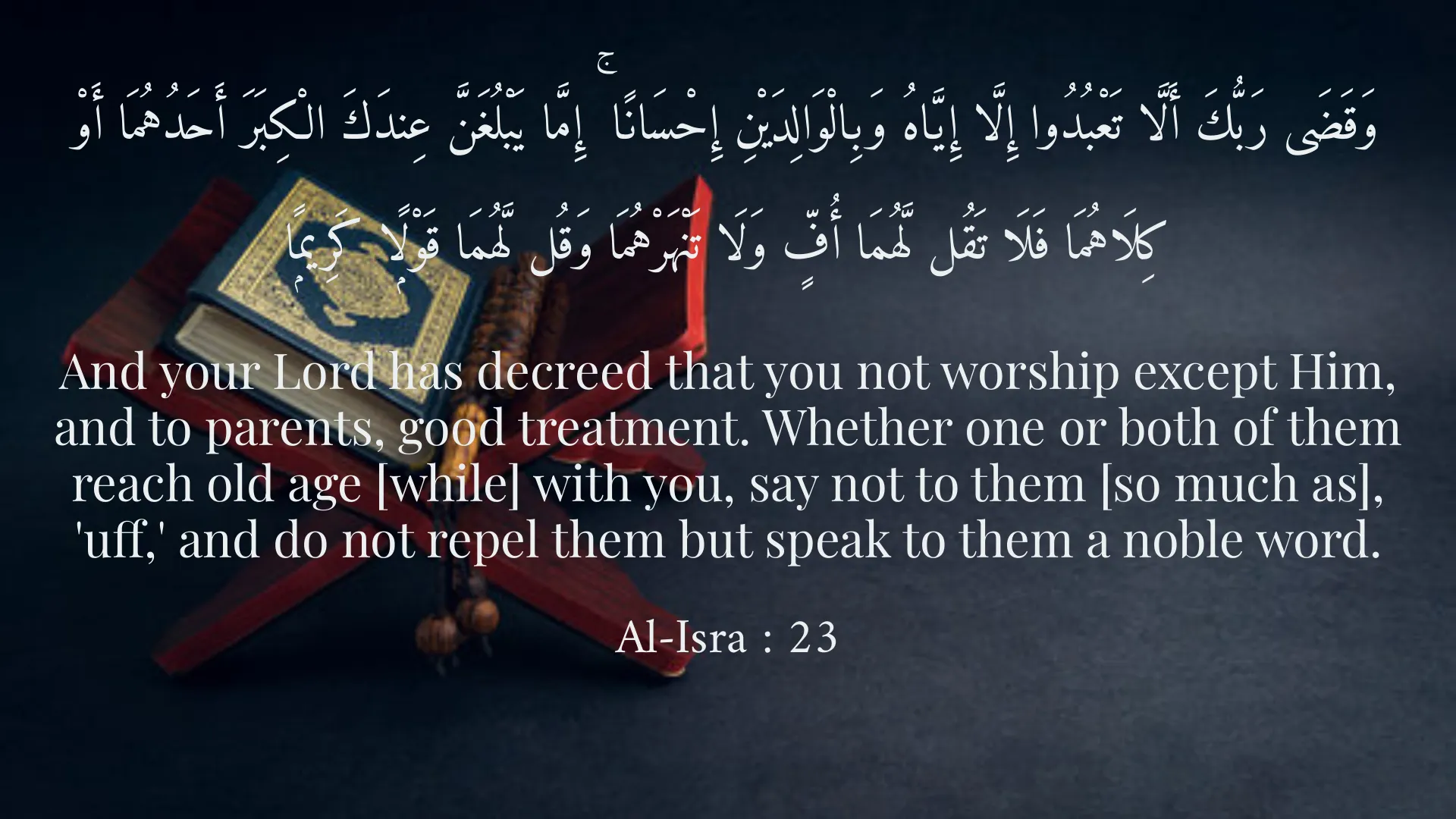
وَقَضَى رَبُّكَ أَلَّا تَعْبُدُوا إِلَّا إِيَّاهُ وَبِالْوَالِدَيْنِ إِحْسَانًا ۚ إِمَّا يَبْلُغَنَّ عِندَكَ الْكِبَرَ أَحَدُهُمَا أَوْ كِلَاهُمَا فَلَا تَقُل لَّهُمَا أُفٍّ وَلَا تَنْهَرْهُمَا وَقُل لَّهُمَا قَوْلًۭا كَرِيمًۭا
And your Lord has decreed that you not worship except Him, and to parents, good treatment. Whether one or both of them reach old age [while] with you, say not to them [so much as], 'uff,' and do not repel them but speak to them a noble word.
Al-Isra : 23
يَرْفَعِ اللَّهُ الَّذِينَ آمَنُوا مِنكُمْ وَالَّذِينَ أُوتُوا الْعِلْمَ دَرَجَاتٍ ۖ وَاللَّهُ خَبِيرٌ بِمَا تَعْمَلُونَ
Allah will raise those who have believed among you and those who were given knowledge, by degrees.
Al-Mujadila : 11
Short Story
One day, a kind man named Saeed was helping his sister who was facing financial difficulties. He said to her, 'My sister, remember that helping your family is not only a duty but an act of worship in the sight of Allah. Every step you take to assist me impacts your life significantly.' With these words, his sister felt calm and reassured, and together they overcame their challenges.