Quranic Answer
In the Holy Quran, the topic of sleep and rest is subtly interwoven within its verses, highlighting the essential balance in life. While there are no direct discussions on sleep, a deeper exploration of related verses indicates the significance and impact it has on both the body and the soul. Sleep is frequently regarded as a natural necessity that rejuvenates an individual, allowing the body to recuperate and the mind to process the varied experiences of daily life. However, as the Quran illuminates, this essential process must be approached with caution to avoid the pitfalls of excess. One of the most profound insights about the human experience is found in Surah Al-Mu'mun, verse 78, where Allah says: "And He it is who created for you hearing, sight, and hearts; little are you grateful." This verse does not merely refer to the physiological attributes bestowed upon humanity, but it also calls attention to the soul's functions and the cognitive abilities given by the Creator. In acknowledging these gifts, one is reminded of the importance of being vigilant and grateful, which extends to one's overall lifestyle choices, including the way individuals manage their time for rest. Sleep’s role in restoring energy is paramount. The human body operates much like a machine: it requires periodic maintenance to function optimally. During sleep, bodily processes slow down, allowing the body to heal and recover. Additionally, sleep plays a key role in cognitive functions such as memory consolidation, emotional regulation, and the processing of daily experiences. These aspects are critical not only for physical health but also for psychological well-being. Thus, Allah's reminder to be grateful for hearing, sight, and hearts can be interpreted as an encouragement to recognize and appreciate the role of sleep in facilitating a sound mind and body. Yet, it’s important to note that the Quran advocates for a middle ground. Excessive sleep can lead to lethargy and a sense of apathy. The potential consequences of sleeping too much can create a disconnect between individuals and their responsibilities—both of a worldly and religious nature. In Surah As-Sajda, verse 16, it is stated: "Only those believe in Our verses who, when reminded of them, fall down prostrate and exalt [Allah] with praise of their Lord, and they are not arrogant." This verse emphasizes responsiveness and attentiveness to God's messages, which translates into an active engagement with life, rather than a passive existence characterized by inertia. Believers are called upon to strike a harmonious balance in their lives—this is especially true in the context of sleep. The act of resting should not detract from one’s duties; rather, it should enhance one’s ability to fulfill religious obligations and engage in social duties. The Quran acknowledges that daily life encompasses a variety of duties including worship, family responsibilities, and societal contributions. Hence, while sleep is essential, it must be strategically integrated into one’s schedule to maintain productivity and spiritual diligence. Research supports the Quranic perspective on the significance of balance. Studies have indicated that individuals who maintain regular sleep patterns exhibit higher productivity and better emotional health compared to those who struggle with excessive or insufficient sleep. Furthermore, the importance of sleep hygiene—which encompasses factors such as having a consistent sleep schedule, creating a conducive sleep environment, and avoiding excessive daytime sleep—aligns with the Quranic counsel to regulate one's habits for spiritual and physical well-being. Moreover, the underpinnings of sleep draw connections to spiritual awareness and mindfulness. In recognizing the necessity of sleep, believers should also be vigilant regarding how they utilize their waking hours—reflecting on their actions, intentions, and the state of their hearts. The Quran encourages a continual state of reflection and responsiveness to divine messages, urging believers to seek knowledge and engage actively with their faith. The Quran serves as a guide for the holistic development of an individual, reinforcing that both the body and soul require attention. Therefore, being mindful of sleep not only enhances physical health but also nurtures spiritual growth. The idea is to foster an equilibrium—aiming neither for negligence towards rest nor for indulgence that leads to idleness. As such, believers are significantly encouraged to view sleep as a tool—not merely a refuge from the world but as a means of revitalizing themselves to fulfill their roles more effectively. Ultimately, the discourse on sleep in the Islamic context as presented in the Quran encapsulates a broader philosophy of balance and vigilance. It reminds individuals continuously that they are not merely passive recipients of divine gifts, but active participants in cultivating their well-being and fulfilling their duties towards themselves, their communities, and their Creator. Thus, the synergy between sleep, awareness, and purposeful living is timeless wisdom that resonates through the ages, urging believers toward a thoughtful and engaged approach to life. The Quran beckons all believers to be mindful of their choices, reminding them that a well-rested soul can more easily navigate the complexities of life, align with divine guidance, and nurture their relationship with Allah.
Related Verses
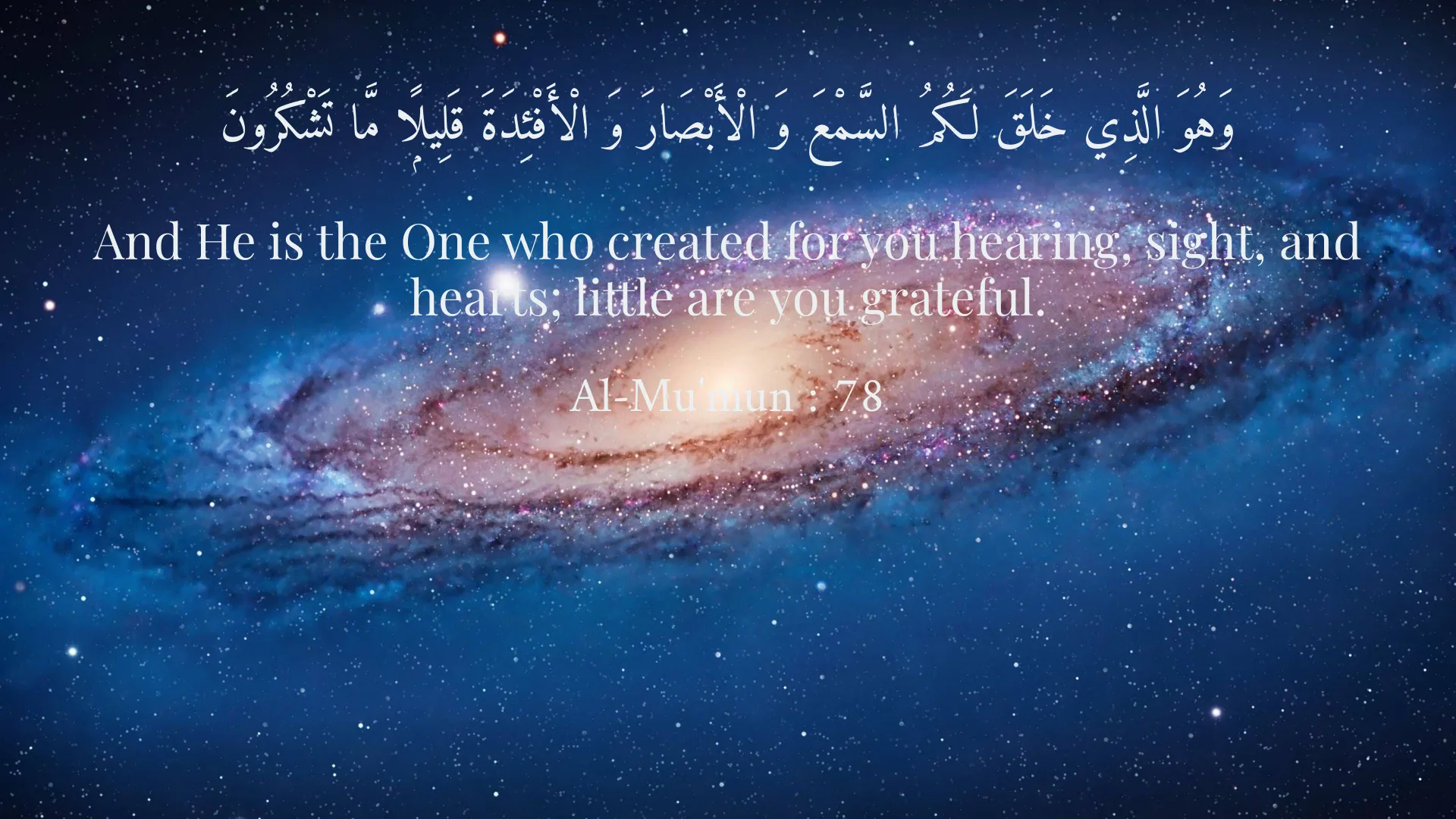
وَهُوَ الَّذِي خَلَقَ لَكُمُ السَّمْعَ وَ الْأَبْصَارَ وَ الْأَفْئِدَةَ قَلِيلًۭا مَّا تَشْكُرُونَ
And He is the One who created for you hearing, sight, and hearts; little are you grateful.
Al-Mu'mun : 78
إنما يؤمن بآياتنا الذين إذا ذكروا بها خروا سجداً وسبحوا بحمد ربهم وهم لا يستكبرون
Only those believe in Our verses who, when reminded of them, fall down prostrate and exalt [Allah] with praise of their Lord, and they are not arrogant.
As-Sajda : 16
Short Story
One day, a young man named Ali was pondering about sleep and rest. He began to study the Quran and reflected on various verses. After some time, he realized that Allah advises believers to maintain balance in their lives. Ali decided to fill his rest time with positive deeds and worship. In this way, he not only felt better but also found that his life became more joyful and fulfilling.