Quranic Answer
In the comprehensive worldview and intellectual framework of the Holy Quran, the ultimate goal and fundamental purpose of human existence is a profound and multifaceted issue that encompasses various dimensions. However, the central axis of all these dimensions is, without a doubt, the knowledge and gnosis of God (Ma'rifah Billah). Although some verses ostensibly state the purpose of the creation of jinn and humankind as “worship,” such as Surah Adh-Dhariyat, verse 56: “And I did not create the jinn and mankind except to worship Me,” it is crucial to understand that true worship is impossible without deep knowledge and a correct understanding of the worshipped One. Worship is not merely the performance of outward rituals; rather, it is a state of servitude, submission, love, and obedience that is rooted in the gnosis and recognition of God, and without this knowledge, humanity cannot achieve the true depth of servitude. The gnosis of God means understanding His perfect and beautiful attributes, discerning His Oneness, wisdom, power, knowledge, mercy, justice, and all His Most Beautiful Names (Asma al-Husna). This knowledge is not merely an intellectual or philosophical understanding but a heartfelt, existential recognition that leads to firm faith and righteous deeds. The Quran repeatedly invites humanity to reflect, ponder, and contemplate the signs in the cosmos and within themselves, to thereby realize the Creator's grandeur and deepen their gnosis. Numerous verses in the Quran point to this, including Surah Aal-Imran, verses 190 and 191, which state: “Indeed, in the creation of the heavens and the earth and the alternation of the night and the day are signs for those of understanding * Who remember Allah while standing or sitting or [lying] on their sides and reflect upon the creation of the heavens and the earth, [saying], ‘Our Lord, You did not create this aimlessly; exalted are You [above such a thing]; then protect us from the punishment of the Fire.’” These verses clearly demonstrate that reflection on creation is a path to a deeper gnosis of God, and this gnosis is not just dry knowledge but the source of sincere remembrance and supplication. Furthermore, the Holy Quran places great emphasis on observing and contemplating the “Ayat” or signs of God. These signs are manifest both in the external world (horizons) and within the human self (anfus). Surah Fussilat, verse 53, states: “We will show them Our signs in the horizons and within themselves until it becomes clear to them that it is the truth.” This path of reflection and discovering divine signs is precisely the path to attaining gnosis. The more one meditates on these signs and comprehends divine grandeur and orchestration, the deeper their gnosis of God becomes, and the result of this gnosis will be stronger faith, greater humility, and more sincere worship. This process not only leads to intellectual and spiritual growth but also helps individuals correctly understand their place in existence and their connection to the Creator. The gnosis of God is not only the ultimate goal but also the source of every good and blessing in human life. A person who truly knows God attains true reliance on Him, is far from despair, and shows greater patience and steadfastness in the face of difficulties and challenges. This gnosis guides them toward good character, justice, benevolence, and service to creation, for they know that every good deed is done for the pleasure of God, and God does not waste the reward of the doers of good. In other words, all dimensions of a true believer's life, including individual and social ethics, are shaped by their gnosis of God. This divine knowledge grants individuals insight that transcends material and worldly gains, guiding them towards enduring and spiritual values. Correct gnosis of God frees individuals from baseless fears and fleeting attachments, endowing them with a heart full of peace and contentment. In essence, the verse “And I did not create the jinn and mankind except to worship Me” must be interpreted in light of this profound understanding of worship. Worship that is actualized in its fullest sense requires complete gnosis of God. This gnosis elevates humanity to the highest possible degree of perfection, making them worthy of the station of Khalifatullah (God's vicegerent) on Earth. The Quran introduces humans as Khalifa, or God's representative on Earth, and the prerequisite for this vicegerency is the knowledge of divine attributes and their manifestation in human conduct and character. The gnosis of God liberates humanity from the bondage of worshipping anything other than God, granting them true freedom and dignity. This liberation leads to inner and outer peace and prepares humanity for eternal life in the Hereafter. Knowing the Creator is not merely a religious obligation but an innate need for the human soul, without which a deep void remains within. Consequently, it can be concluded that the ultimate goal of humanity in the Quran is to reach the state of pure servitude (ubudiyyah), which is only possible through a deep and comprehensive gnosis of God. This gnosis paves the way for ultimate perfection and eternal happiness. Therefore, Ma'rifah Billah is not merely a goal but the gateway to all sublime objectives in life and the final destination of human existential journey, leading to the ultimate aim of meeting and gaining the pleasure of God.
Related Verses
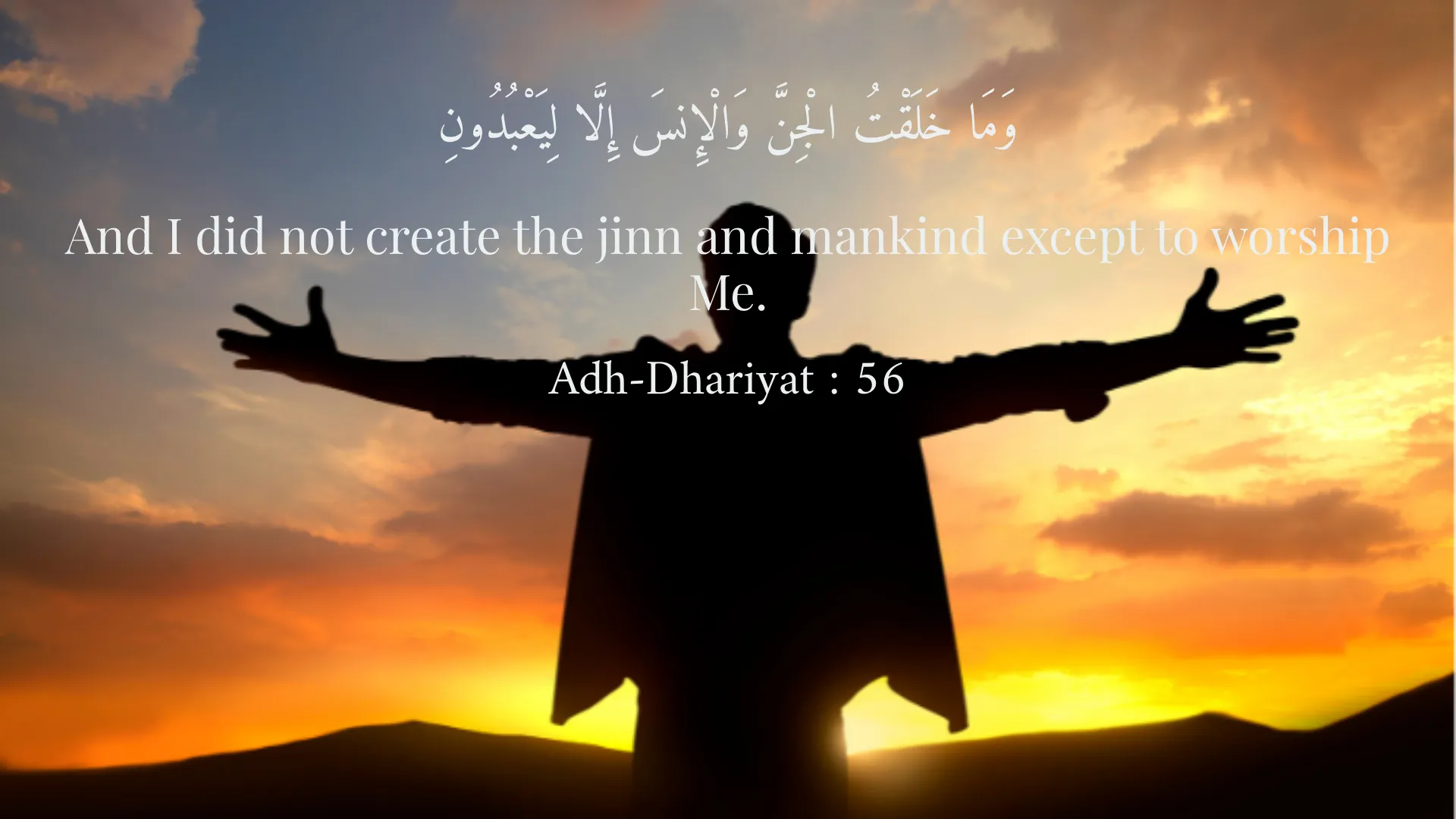
وَمَا خَلَقْتُ الْجِنَّ وَالْإِنسَ إِلَّا لِيَعْبُدُونِ
And I did not create the jinn and mankind except to worship Me.
Adh-Dhariyat : 56
إِنَّ فِي خَلْقِ السَّمَاوَاتِ وَالْأَرْضِ وَاخْتِلَافِ اللَّيْلِ وَالنَّهَارِ لَآيَاتٍ لِّأُولِي الْأَلْبَابِ
Indeed, in the creation of the heavens and the earth and the alternation of the night and the day are signs for those of understanding.
Aal-Imran : 190
الَّذِينَ يَذْكُرُونَ اللَّهَ قِيَامًا وَقُعُودًا وَعَلَىٰ جُنُوبِهِمْ وَيَتَفَكَّرُونَ فِي خَلْقِ السَّمَاوَاتِ وَالْأَرْضِ رَبَّنَا مَا خَلَقْتَ هَٰذَا بَاطِلًا سُبْحَانَكَ فَقِنَا عَذَابَ النَّارِ
Who remember Allah while standing or sitting or [lying] on their sides and reflect upon the creation of the heavens and the earth, [saying], 'Our Lord, You did not create this aimlessly; exalted are You [above such a thing]; then protect us from the punishment of the Fire.'
Aal-Imran : 191
سَنُرِيهِمْ آيَاتِنَا فِي الْآفَاقِ وَفِي أَنفُسِهِمْ حَتَّىٰ يَتَبَيَّنَ لَهُمْ أَنَّهُ الْحَقُّ ۗ أَوَلَمْ يَكْفِ بِرَبِّكَ أَنَّهُ عَلَىٰ كُلِّ شَيْءٍ شَهِيدٌ
We will show them Our signs in the horizons and within themselves until it becomes clear to them that it is the truth. But is it not sufficient concerning your Lord that He is, over all things, a Witness?
Fussilat : 53
Short Story
A dervish, renowned for his profound wisdom, once sat by a flowing stream, contemplating the world. A wealthy merchant, burdened by his many worldly concerns, approached him, lamenting the endless cycle of acquiring and losing possessions. "O wise man," he sighed, "I have pursued wealth, power, and fame, yet my heart remains restless. What is the true treasure of this life?" The dervish smiled gently and picked up a small stone from the stream bank. "Friend," he said, "this stream flows eternally, yet it does not seek gold or silver. Its purpose is to reach the vast ocean, nourishing life along its path. So too, is the human soul. Its true purpose is not in accumulating fleeting worldly goods, but in connecting with its Creator, the boundless ocean of existence. For what is all the gold of the earth compared to a single drop of divine knowledge that illuminates the heart? True tranquility and lasting joy are found not in what you possess, but in the knowing of Him who possesses all." The merchant, humbled by the dervish's words, began to reflect on his life's true aim, understanding that the pursuit of God's knowledge was the only path to lasting peace.