Quranic Answer
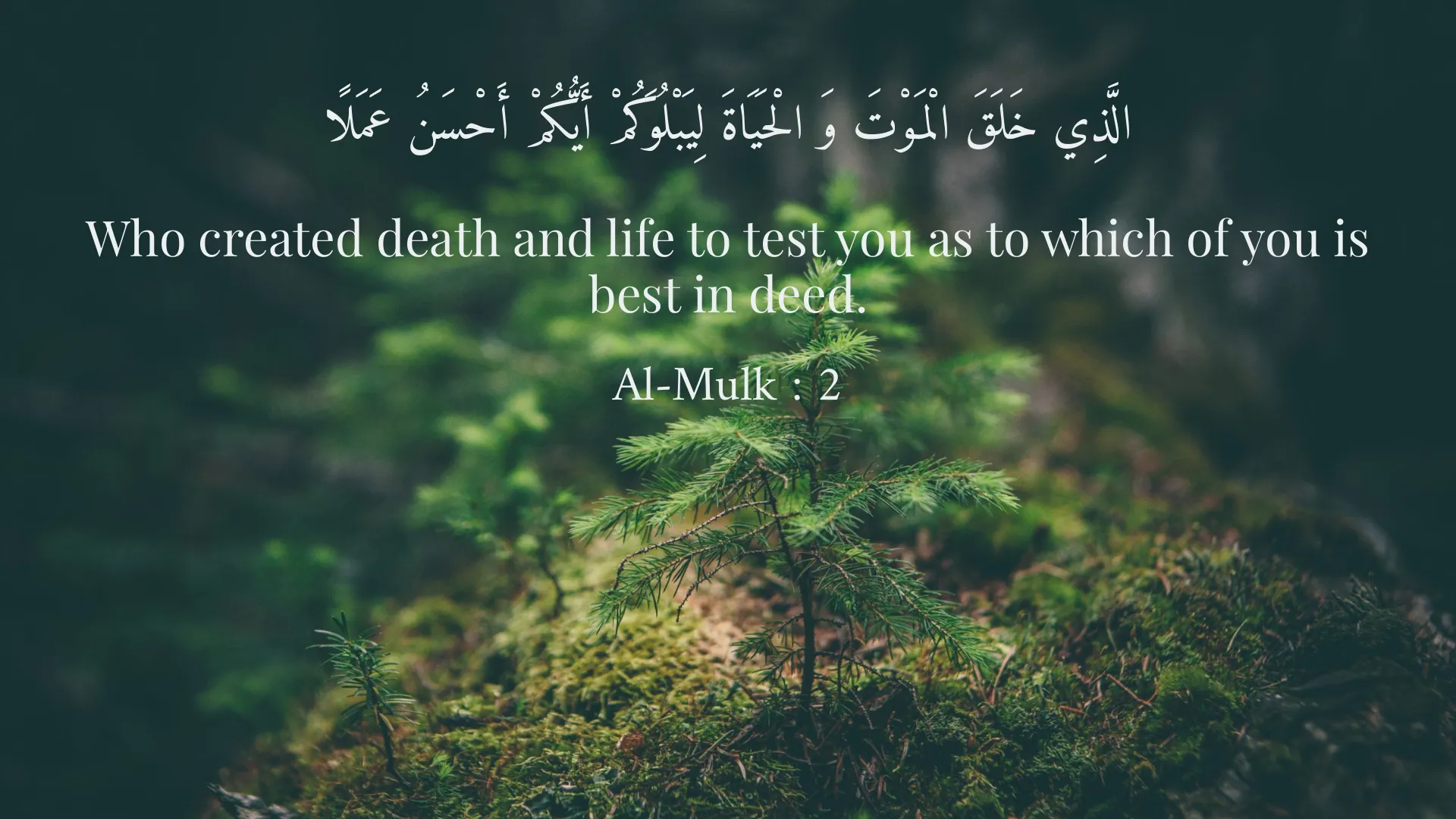
In the Holy Quran, the world is portrayed as a space meant for trial and testing, a temporary abode where each individual is subjected to challenges that shape their moral and ethical framework. This theme underscores the Islamic perspective on life, suggesting that our time on Earth allows for personal growth and accountability in our deeds. The significant verse that encapsulates this idea is found in Surah Al-Mulk, verse 2, where Allah states, 'Who created death and life to test you as to which of you is best in deed.' This assertion illuminates the prospect of life as not merely a fleeting existence but as a profound opportunity for self-discovery and proving oneself worthy in the eyes of the Creator. Through this lens, every moment of existence is imbued with purpose, where individuals are called upon to reflect on their actions and the moral implications therein. Moreover, the Quran unequivocally reminds believers about the nature of trials and how they are an integral part of the human experience. In Surah Al-Baqarah, verse 155, Allah articulates this sentiment saying, 'And We will surely test you with something of fear and hunger and a loss of wealth and lives and fruits, but give good tidings to the patient.' This verse serves to reinforce the inevitability of encountering adversities in life—fear, loss, and deprivation are portrayed not as random occurrences but rather as purposeful elements of the human journey. The emphasis on patience is particularly noteworthy, suggesting that the manner in which individuals respond to these tests plays a pivotal role in determining their spiritual and moral stature. Patience, in this context, is not a passive state but rather an active expression of faith, resilience, and unwavering trust in divine wisdom. Furthermore, our worldly inclinations can significantly impact our spiritual aspirations. In Surah Al-Anfal, verse 28, the Quran warns about the potential distractions that come with love for the material world, saying, 'And know that your properties and your children are but a trial and that Allah has with Him a great reward.' This admonition enriches our understanding of material possessions as transient and often misleading in their ability to bring fulfillment. The notion that wealth and progeny are trials implies that they have the potential to divert attention from what is truly significant—our spiritual connection to God and the eventual Day of Judgment. Such perspective allows individuals to cultivate a sense of detachment from worldly affairs, thereby prioritizing their relationship with the divine and focusing on their ultimate fate in the hereafter. The concept of the world as a transient and challenging environment is poignantly emphasized throughout the Quran, reiterating that it is not a realm of endless comfort but a passage filled with events and trials. Believers are called to remember the essence of their existence, which is rooted in accountability and preparation for the afterlife. The teachings of the Quran encourage Muslims to remain cognizant of their actions and to align their conduct with divine guidance. As individuals navigate through life's complexities, they are reminded that true success lies in fulfilling their responsibilities towards God, themselves, and humanity at large. In attempting to live a life aligned with these principles, one can draw inspiration from the numerous stories of the Prophets and righteous individuals who faced adversities yet remained steadfast in faith. Their trials served not only as tests of character but also as examples of commitment that inspire countless generations. The Quran narrates the stories of Prophet Job, who endured immense suffering with patience, and Prophet Noah, who faced ridicule in the pursuit of spreading God’s message. These narratives serve as powerful reminders that while the trials may be daunting, they are often guided by divine mercy, testing us to emerge stronger and more faithful. In conclusion, the depiction of life in the Holy Quran as a trial reflects profound wisdom and a universal truth about the human experience. Every challenge presents an opportunity for reflection and growth within the framework of one’s faith. The collective message serves to encourage believers to embrace trials with patience, prioritize their spiritual obligations, and maintain attentiveness towards the eternal rewards that await in the hereafter. Thus, the rich teachings of the Quran instill a sense of purpose in daily life, prompting individuals to strive for excellence in their deeds, adhere to patience in trials, and cultivate an ever-deepening connection with God through remembrance and faithful action.
Related Verses
الَّذِي خَلَقَ الْمَوْتَ وَ الْحَيَاةَ لِيَبْلُوَكُمْ أَيُّكُمْ أَحْسَنُ عَمَلًا
Who created death and life to test you as to which of you is best in deed.
Al-Mulk : 2
وَ لَنَبْلُوَنَّكُمْ بِشَيْءٍ مِّنَ الْخَوْفِ وَ الْجُوعِ وَ نَقصٍ مِّنَ الْأَمْوَالِ وَ الْأَنفُسِ وَ الثَّمَرَاتِ و بَشِّرِ الصَّابِرِينَ
And We will surely test you with something of fear and hunger and a loss of wealth and lives and fruits, but give good tidings to the patient.
Al-Baqarah : 155
وَ اعْلَمُوا أَنَّمَا أَمْوَالُكُمْ وَ أَوْلَادُكُمْ فِتْنَةٌ وَ أَنَّ اللَّهَ عِندَهُ أَجْرٌ عَظِيمٌ
And know that your properties and your children are but a trial and that Allah has with Him a great reward.
Al-Anfal : 28
Short Story
One day, Adel, a bright and talented young man, sat in a garden pondering his life. He had come to realize that the world was filled with challenges and tests. Due to the tough experiences he had, he felt that he needed to get closer to God and show more patience in life's trials. He decided to strengthen his bond with God through fasting and prayer. Each day, he felt better, and a light emerged in his life.