Quranic Answer
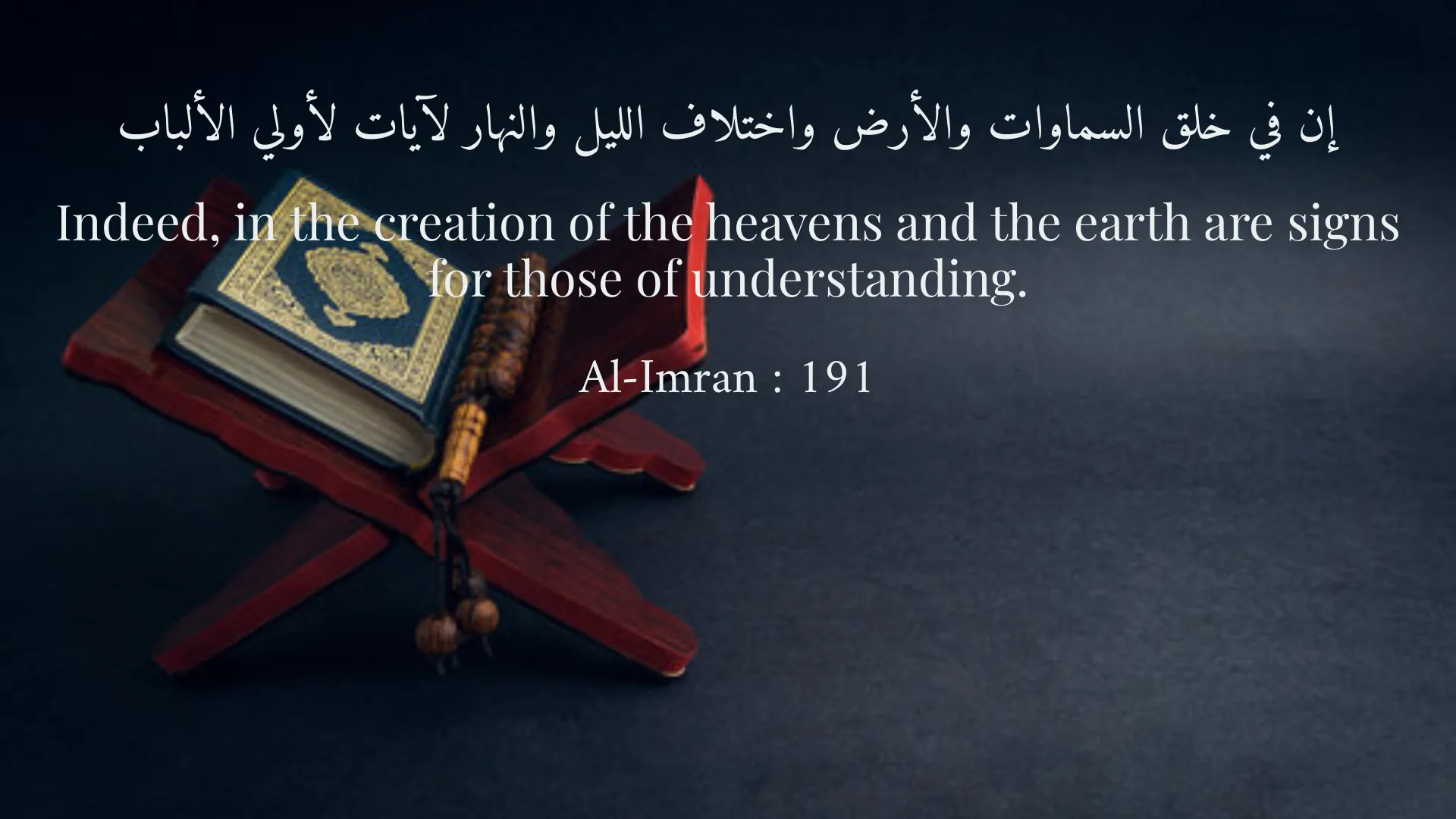
In the Holy Quran, worship is profoundly defined as not merely a series of rituals, but rather an essential expression of obedience and submission to the Almighty God, encompassing the pursuit of knowledge about Him. This understanding lays the foundation for how a believer engages with their faith and the world around them. Within this framework, one of the most significant avenues for becoming intimately acquainted with God lies in the contemplation of His divine attributes. This act of reflection serves a dual purpose: it enables individuals to develop a deeper understanding of who God is, while simultaneously nurturing a closer bond with Him. The Quran reinforces this connection between contemplation and worship through various verses, notably in Surah Al-Imran, verse 191. Here, Allah states, 'Indeed, in the creation of the heavens and the earth are signs for those of understanding, who remember Allah while standing or sitting or [lying] on their sides and give thought to the creation of the heavens and the earth, [saying], 'Our Lord, You did not create this aimlessly; exalted are You above such a thing.' This remarkable verse encapsulates the essence of reflection on both the universe and God’s attributes as an integral form of worship. Engaging thoughtfully with the natural world around us leads to a profound recognition of the divine craftsmanship woven into the fabric of existence. By appreciating the grandeur of creation—the intricate complexities of ecosystems, the vastness of the cosmos, and the delicate beauty of life forms—individuals are guided toward a greater realisation of God’s omnipotence, wisdom, and mercy. It is through such contemplation that believers can ascend beyond mere ritualistic worship, experiencing a connection that is genuinely heart-centered and earnest. Furthermore, in Surah Al-Mu'minun, verse 115, the Quran poses a rhetorical question that highlights the importance of value and purpose in creation: 'Did you think that We created you uselessly and that to Us you would not be returned?' This verse serves as a sobering reminder that human existence is far from meaningless; it is imbued with significance and an overarching purpose that aligns with divine intent. The introspection that arises from engaging with such questions elevates the journey of worship and comprehension beyond superficiality, urging believers to delve into the essence of their own lives and the promises of existence. As individuals contemplate the divine attributes of Allah—His mercy, compassion, omniscience, justice, and countless others—they embark on a transformative journey of the soul. Each attribute serves as a mirror used to reflect on the self and one's stewardship in the world. Observing God's mercy, for instance, inspires believers to adopt similar virtues in their interpersonal relationships, fostering a culture of grace and kindness in society. Recognizing God's justice encourages the promotion of equity and fairness, both personally and communally. Such reflections not only enhance individual character but also foster a harmonious society enriched by mutual respect and understanding. Additionally, contemplating God’s attributes arms believers with the intellectual and spiritual tools needed to counteract fallacies and misguided thoughts that may arise. In a world filled with distractions and conflicting ideologies, thoughtful reflection on divine wisdom acts as a guiding star, illuminating the path toward righteousness. It encourages believers to critically assess their beliefs and actions through the lens of divine guidance, enabling them to make informed and meaningful choices that foster personal growth and spiritual development. Moreover, an understanding of God’s nature encourages believers to reach out to their fellow humans with compassion, understanding, and empathy. As individuals strive to embody attributes reflective of Allah—such as patience, generosity, and humility—they not only enhance their worship but also galvanize others to participate in acts of kindness and justice. A collective commitment to embodying divine attributes can have a ripple effect on communities, encouraging harmony and a shared sense of purpose among diverse groups of people. Ultimately, the act of contemplating God's attributes intricately intertwines with both understanding and worshiping Him, allowing believers to unlock the depths of faith and piety. As individuals seek to learn about and embody the exceptional qualities of their Creator, they find themselves drawn closer to Him in their hearts and minds. In examining the consequences of this contemplative practice, it becomes evident that it nurtures not only an individual’s spirituality but also enhances the overall morality of society. Communities enriched by this collective consciousness of God’s attributes are better positioned to tackle societal challenges such as injustice, intolerance, and division. By embracing these divine principles, individuals can facilitate a more compassionate and just world, ultimately reflecting the unconditional love and wisdom of their Creator. In conclusion, the sacred teachings of the Quran serve as a profound reminder of the importance of worship as a means of submission to Allah and understanding His magnificent attributes. Through thoughtful reflection upon creation and divine qualities, believers embark on a journey that is deeply spiritual, enriching, and transformative. As they cultivate a more profound understanding of their Creator, they not only enhance their worship experience but also align their life’s purpose with the overarching intention of their existence. In this way, contemplation becomes an essential act of devotion—one that guides the hearts and minds of believers towards righteousness, unity, and profound faith.
Related Verses
إن في خلق السماوات والأرض واختلاف الليل والنهار لآيات لأولي الألباب
Indeed, in the creation of the heavens and the earth are signs for those of understanding.
Al-Imran : 191
أفحسبتم أنما خلقناكم عبثًا وأنكم إلينا لا ترجعون؟
Did you think that We created you uselessly and that to Us you would not be returned?
Al-Mu'minun : 115
Short Story
One day, a man named Ehsan was sitting in a garden, admiring the beautiful flowers. He was contemplating God's attributes and realized how beautiful and magnificent this world is. Ehsan felt a deep gratitude in his heart for all the beauty and blessings. He decided to dedicate some time each day to think about God’s attributes and the beauties of His creation. These thoughts brought him peace and made him more optimistic about life.