Quranic Answer
Worldly success is often perceived as a symbol of individual merit, intelligence, and hard work. In many cultures, the accumulation of wealth, influence, and status is regarded as an indicator of one’s capabilities and ultimate happiness. However, the perspective presented in the Quran deviates remarkably from this conventional understanding. The Quran offers profound insights into the nature of success, trials, and the relationship between worldly achievements and divine satisfaction. This article aims to delve into the Islamic perspective, particularly as articulated in Surah Al-Baqarah (2:155) and Surah Aal-e-Imran (3:186), while emphasizing that genuine success is tied more closely to one's faith and righteousness rather than material gains. Firstly, Surah Al-Baqarah (2:155) states, 'And We will surely test you with something of fear and hunger and a loss of wealth and lives and fruits, but give good tidings to the patient.' This verse profoundly acknowledges the inevitability of trials and tribulations in a believer's life. It recognizes that fear, hunger, loss of wealth, and even the loss of loved ones are integral parts of the human experience. Such adversities serve not as indicators of God's displeasure but rather as tests of faith. The emphasis on patience as a response to these challenges suggests that enduring hardships can lead to spiritual growth and greater closeness to the Divine. In essence, the purpose of these tests is to forge resilience and deepen the bond between the believer and God. It implies that faith is not merely about enjoying blessings but also encompasses the ability to face trials with a sense of trust in God's wisdom. Thus, it reframes the narrative around suffering and success, indicating that worldly achievements could very easily be reversed or stripped away, while true success lies in one’s response and faith during such times. Moreover, Surah Aal-e-Imran (3:186) states, 'You will surely be tested in your wealth and your selves.' This highlights that both material possessions and personal attributes are areas where believers can expect to face examinations. The testing of wealth signifies that financial prosperity is neither guaranteed nor a reflection of divine favor. Instead, it is a stage for evaluation of one's character, integrity, and priorities. How one manages wealth, whether through generosity, integrity, and responsibility, is where true measure lies. Indeed, from an Islamic point of view, the relationship between accounts of worldly success and divine approval is complex. Believers are reassured that tests, especially those concerning wealth, are vital for personal growth. The temporary nature of worldly possessions serves as a reminder that ultimate contentment and joy come not from riches but from piety and righteous behavior. This perception stands in stark contrast to the secular understanding that often equates wealth with worthiness. In addition to patience and resilience, a crucial element of success in the eyes of God is the pursuit of righteous deeds, as outlined in Surah Hud (11:23): 'Indeed, those who have believed and done righteous deeds - those are the best of creatures.' Here, the Quran establishes the framework for the true measure of a person’s life. Righteous actions encompass a multitude of aspects—compassion towards others, honesty in dealings, the pursuit of justice, and the strive for knowledge. It emphasizes a moral and ethical lifestyle that resonates with the foundational teachings of Islam. Therefore, Islamic principles urge believers to align their lives with the core virtues of their faith. The cultivation of piety and engagement in good deeds is what elevates the individual's status in the eyes of God. The degree of one's closeness to the Almighty is thus determined not by the magnitude of their worldly achievements but by the quality of their faith and commitment to noble causes. The understanding that worldly successes or failures might merely be reflective of divine examinations urges believers to reassess their definitions of achievement. Instead of measuring success in financial terms alone, individuals are encouraged to reflect on their actions, intentions, and the overall impact of their lives on those around them. Are they utilizing their resources to help others? Are they enriching their communities? Are they pursuing knowledge to better themselves and those around them? These questions transcend the superficial markers of success commonly observed in society. Furthermore, the misunderstanding that success in this life is equivalent to satisfaction in the Eyes of God can lead individuals down misguided paths. Many may indulge in unethical practices or compromise their values in the pursuit of wealth and position. The Quran serves as a correcting lens, reminding believers that true satisfaction can only be attained when one's actions are in alignment with divine teachings. In conclusion, the notion that worldly success signifies divine pleasure is critically challenged within the Quran. Verses such as Surah Al-Baqarah (2:155) and Surah Aal-e-Imran (3:186) remind believers that life is inherently filled with trials, and facing these with grace reflects one's steadfastness in faith. True success stems from piety and the performance of righteous deeds, as articulated in Surah Hud (11:23). Consequently, one might consider their belief in God, their conduct, and their contribution to the betterment of society as the benchmarks for success rather than transient material achievements. Hence, the essence of life in the Islamic perspective focuses on spiritual fulfillment through faith and actions of virtue, illustrating that divine satisfaction is a far more significant aspect of human existence than worldly accolades.
Related Verses
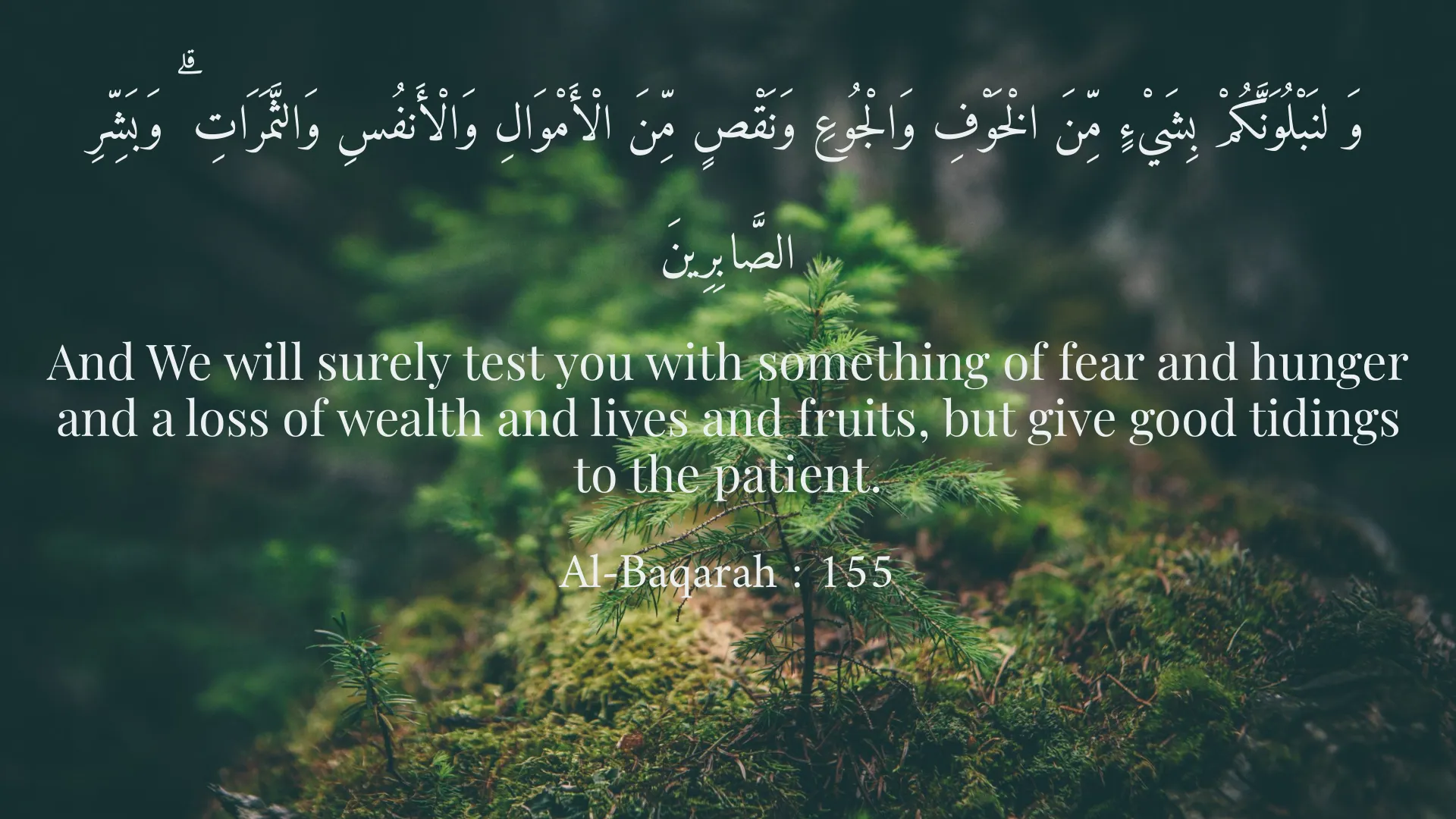
وَ لنَبْلُوَنَّكُمْ بِشَيْءٍ مِّنَ الْخَوْفِ وَالْجُوعِ وَنَقْصٍ مِّنَ الْأَمْوَالِ وَالْأَنفُسِ وَالثَّمَرَاتِ ۗ وَبَشِّرِ الصَّابِرِينَ
And We will surely test you with something of fear and hunger and a loss of wealth and lives and fruits, but give good tidings to the patient.
Al-Baqarah : 155
تُبْلَوْنَ فِي أَمْوَالِكُمْ وَأَنفُسِكُمْ
You will surely be tested in your wealth and your selves.
Aal-e-Imran : 186
إِنَّ الَّذِينَ آمَنُوا وَعَمِلُوا الصَّالِحَاتِ أُو۟لَـٰئِكَ هُمْ خَيْرُ ٱلْبَرِيَّةِ
Indeed, those who have believed and done righteous deeds - those are the best of creatures.
Hud : 23
Short Story
Once upon a time, a young man named Hasan was proud of his worldly successes, yet felt empty inside. He listened to the advice of a religious scholar and through studying the Quran realized that true success lies in pleasing God and serving humanity. Hasan decided to donate parts of his income to the needy. He observed that his life improved through this act and he gained a greater sense of peace.