Quranic Answer
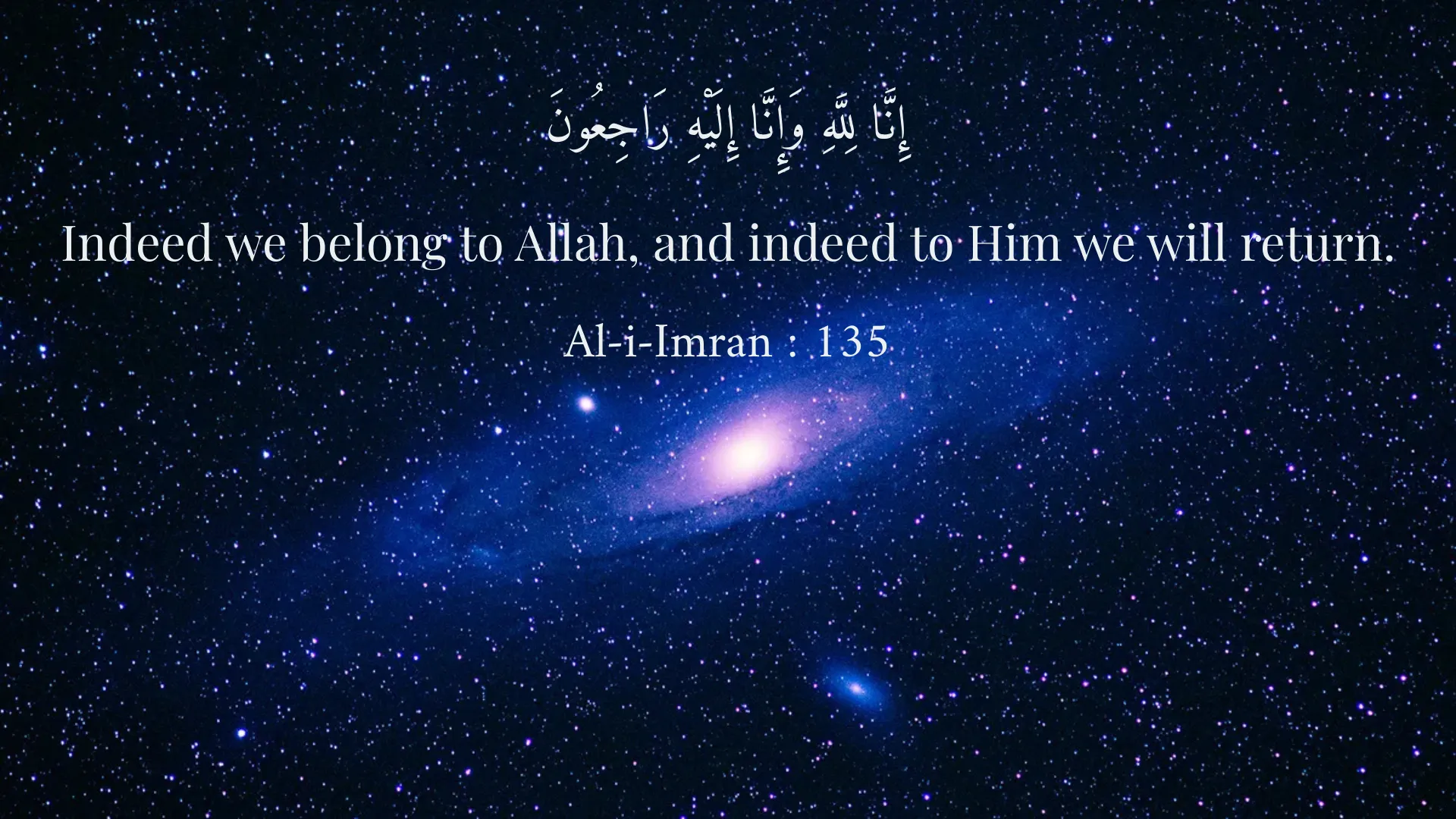
Worship in Islam is a multifaceted concept that extends far beyond the mere performance of rituals. At its core, worship involves a profound understanding of God, an awareness of His attributes, and recognition of His place within our lives. The essence of worship is deeply rooted in intention and knowledge, as emphasized in the Holy Quran. This article delves into the significance of knowledge and understanding in Islamic worship, exploring how these components shape our relationship with God and influence our spiritual practices. One of the key verses that sheds light on the importance of intention in worship is found in Surah Al-i-Imran (3:135), which states: 'And those who, when disaster strikes them, say, 'Indeed we belong to Allah, and indeed to Him we will return.' This verse highlights the mindset of true believers who recognize their connection to Allah, especially in times of hardship. It is an embodiment of faith that transcends the superficial acts of worship and encapsulates a deep-seated knowledge of God's sovereignty and mercy. This acknowledgment of God's omnipotence serves as a source of comfort and strength, reinforcing the idea that worship is inherently linked to our understanding of God. Moreover, the Quran emphasizes that genuine worship is characterized by humility and devotion, as articulated in Surah Al-Mu'minun (23:1-11). In this passage, Allah describes the true believers as those who approach their prayers with a sense of reverence and sincerity. Their hearts are filled with understanding of the significance of their supplications and their connection with their Creator. This deep understanding nurtures a personal relationship with God, allowing believers to develop a sense of inner peace and purpose through their acts of worship. The integration of knowledge into the practice of worship is paramount in Islam. Knowledge, in the Islamic context, is not limited to mere memorization of texts or rituals; it encompasses a comprehensive understanding of religious teachings, historical contexts, and moral values. A worshiper must strive to understand the significance behind the rituals they perform, such as Salah (prayer), Zakat (almsgiving), and fasting during Ramadan. These acts of worship are not just obligations to fulfill but are avenues for spiritual growth and self-improvement. For example, the act of prayer (Salah) is an essential pillar of Islam, mandated five times a day. However, engaging in prayer without understanding its meanings, purposes, and the significance of various components—from the recitation of Surah Al-Fatiha to the physical postures—can lead to a mechanical performance devoid of genuine connection. In contrast, when believers invest time in learning about the significance of prayer, they are more likely to approach it with mindfulness and sincerity, enriching their spiritual experience. Furthermore, it is essential to recognize that knowledge in Islam is not a static achievement; it is an ongoing journey. The Prophet Muhammad (peace be upon him) emphasized the pursuit of knowledge as a lifelong obligation for every believer. This pursuit encourages Muslims to continually seek understanding, whether through studying the Quran, engaging with scholars, or participating in community discussions. This dynamic relationship with knowledge ensures that worship remains vibrant and relevant to the believer's personal growth and spiritual evolution. Additionally, knowledge fosters a sense of accountability in worship. When individuals understand the principles of their faith, they become more cognizant of their actions and the impact they have on their relationship with God and society. Negligence in understanding religious teachings can lead to misunderstandings, misconceptions, and ultimately, a detachment from faith. Worship performed without knowledge can result in hollow practices that do not resonate with the transformative power of faith. Therefore, a sound understanding of Islam's core tenets becomes crucial to ensuring that worship is meaningful and accepted. Moreover, knowledge serves as a foundation for fostering compassion and empathy towards others. The Quran frequently highlights the importance of social justice, charity, and community support, principles that are deeply intertwined with worship practices such as Zakat. By understanding the purpose and significance of charitable giving, Muslims can approach this act of worship with a greater sense of responsibility and compassion, ultimately improving their interactions with fellow human beings. In conclusion, worship in Islam transcends mere physical acts; it is a holistic practice enriched by knowledge and understanding of God and His teachings. The Holy Quran underscores the significance of intention, humility, and awareness of God’s mercy as integral components of genuine worship. Believers are encouraged to engage in a lifelong pursuit of knowledge, ensuring that their worship remains meaningful and transformative. By cultivating an understanding of their faith and integrating that knowledge into their worship practices, Muslims can foster a deeper connection with Allah and a more profound appreciation of the spiritual journey they undertake. Thus, it becomes clear that knowledge is not merely an accessory to worship; it is an essential prerequisite for the acceptance and efficacy of worship in Islam.
Related Verses
إِنَّا لِلَّهِ وَإِنَّا إِلَيْهِ رَاجِعُونَ
Indeed we belong to Allah, and indeed to Him we will return.
Al-i-Imran : 135
قَدْ أَفْلَحَ الْمُؤْمِنُونَ
Indeed, the believers have succeeded.
Al-Mu'minun : 1
Short Story
Once upon a time in a land, there lived a girl named Sarah who always worshipped; yet sometimes she did not ponder their meaning. One day, her teacher told her that worship should be accompanied by knowledge and heartfelt understanding. Sarah began to study the Quran and learn the meanings of the verses. Soon, she realized that her connection with God became much sweeter through knowing Him. From that day on, her worship was infused with love and knowledge, and she experienced a sense of peace and closeness to God in her life.