Quranic Answer
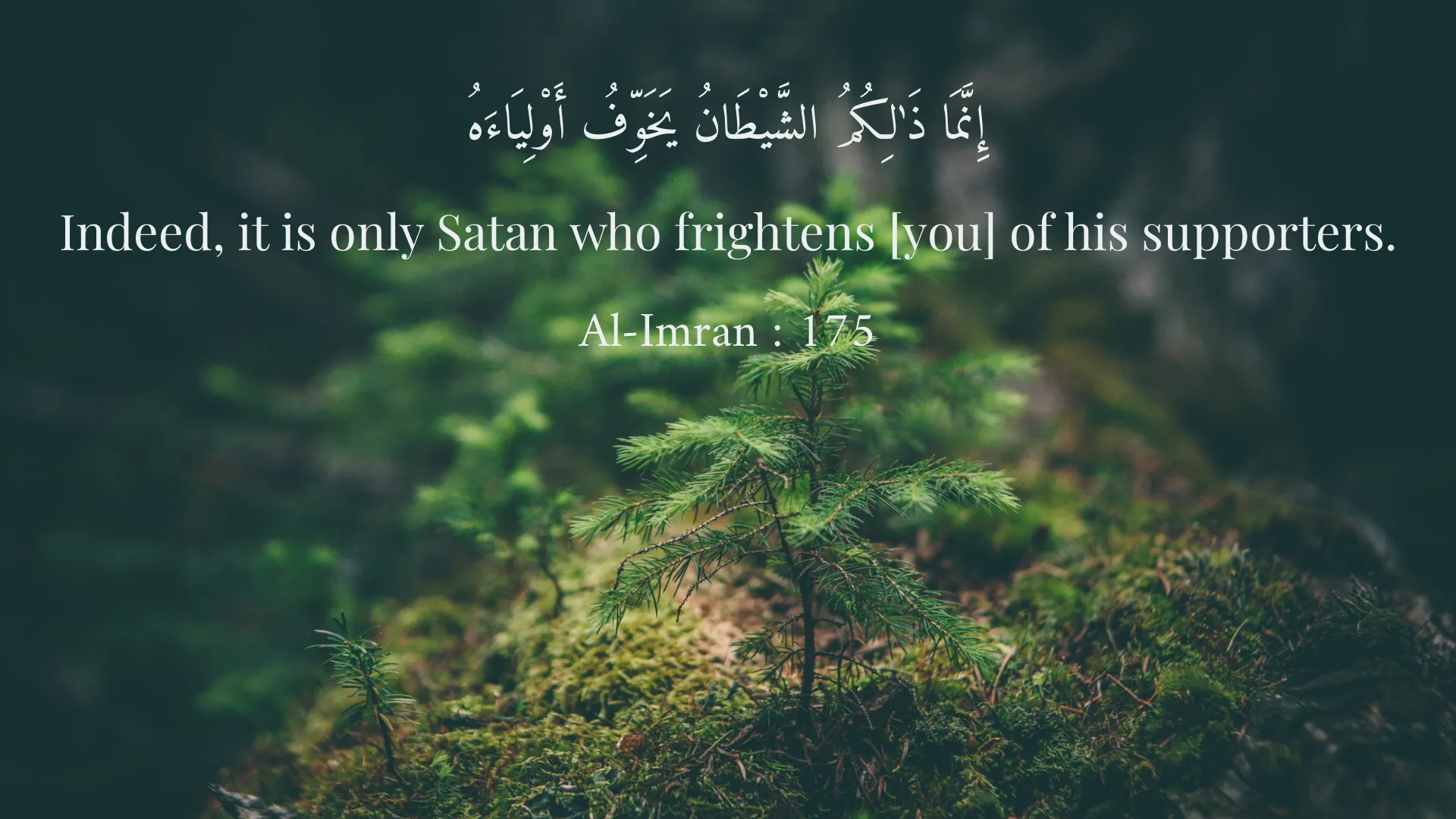
The fear of God is a profound and multifaceted concept that holds a significant place within the realm of spirituality and faith. It is often perceived as a fundamental aspect of a believer's relationship with the divine. In the Quran, the importance of this fear is highlighted, particularly in Surah Al-Imran, verse 175, where Allah states, 'Indeed, it is only Satan who frightens [you] of his supporters.' This declaration serves to remind believers that their fear should not be directed towards the whispers of Satan or the fears he propagates. Instead, it should be rooted in a reverence for God, underpinned by love and respect. This duality of fear and love is essential for a healthy spiritual life and is a recurring theme throughout the Quran. To explore this concept further, it is crucial to understand that the fear of God is not one of trepidation or anxiety. Rather, it is an acknowledgment of God's infinite power, majesty, and ability to impact the lives of His creations. This does not mean that God is to be feared in the sense of being a tyrant or a source of despair. Instead, this fear encompasses a deep sense of respect and awe in recognizing God's greatness. This is articulated in Surah Al-Baqarah, verse 152, where Allah reminds the faithful to 'remember Me; I will remember you.' This divine promise highlights the reciprocal relationship between the Creator and the created. When believers engage in a sincere remembrance of God, they foster a close bond with Him, which in turn mitigates any fear that may arise from worldly concerns or the influence of sinister entities like Satan. The fear of God, in this enlightened context, transforms into a guiding influence that nurtures love and hope, essential elements for a fulfilling spiritual journey. The relationship between fear and love in the context of faith is a delicate balance. While fear of God is necessary for instilling moral discipline and encouraging good behavior, it should not overshadow the essence of love for God. Ideally, the fear of God should coexist harmoniously with hope. This triad—fear, hope, and love—creates a nurturing environment for spiritual and moral evolution. The fear of God acts as a protective force against indulgence in sinful acts and the pursuit of materialistic desires. It serves as a motivation to adhere to the teachings of Allah, promote justice, and engage in charitable acts. Moreover, the fear of God is meant to enrich one's character and spirituality. It inspires believers to lead lives grounded in ethical principles, humanitarian values, and a commitment to self-improvement. By maintaining an awareness of God's presence and attributes, individuals can cultivate personal integrity and strive for righteousness. The fear of God encourages introspection and self-assessment, pressing believers to continuously evaluate their intentions and actions. This spiritual mindfulness is essential for developing a robust and dynamic relationship with God. Historical figures in the realm of spirituality, such as prophets and saints, embodied this fear of God intertwined with an unwavering love for Him. Their lives serve as exemplary models for believers seeking to harmonize these two feelings. Take the Prophet Muhammad (peace be upon him), for instance; he demonstrated an acute awareness of God's greatness while simultaneously exuding compassion and love towards humanity. His life exemplified a perfect balance between fearing God and cherishing His mercy and generosity. In contemporary times, believers often struggle with the concept of fear in relation to God. Many view this fear as something negative, associating it with pain, suffering, or punishment. However, teachings from the Quran offer a more holistic approach. The fear of God commands respect without stifling the joyous love believers should feel. It is a reminder that, despite one's fears, there is peace found in submission and devotion to God. In the world we live in today, characterized by uncertainty and chaos, the fear of God can act as an anchor, grounding believers in their faith and guiding their actions. Emphasizing the notion that fear of God should be a guiding light rather than a looming shadow is critical. This fear should illuminate the path toward righteousness, fostering an environment conducive to personal and collective upliftment. Believers should continuously recall the verses of the Quran and the teachings of the Prophet Muhammad (peace be upon him) to foster this fear as an element of love and reverence rather than a source of anxiety. By focusing on God's affectionate attributes—such as His mercy, kindness, and readiness to forgive—believers can transform their fear into a profound love that wants to please Him rather than merely avoid punishment. Furthermore, the engagement of believers in communal worship and collective remembrance of God enhances the sense of security and solace associated with the fear of God. When individuals congregate for prayers or reflections, they reinforce their commitment to God and cultivate an environment where fear is enveloped in hope and love. These practices foster a community atmosphere where all can support each other in the pursuit of righteousness, reinforcing their faith and fear of God as a cohesive and constructive force. In conclusion, the fear of God is an essential facet of faith that requires a nuanced understanding. It is not merely about fearing the consequences of sin or divine retribution; instead, it is fundamentally an acknowledgment of God's greatness, power, and mercy. This type of fear, enriched by love and hope, leads to spiritual and moral growth, nurturing a holistically fulfilling relationship with the divine. While it may sometimes be misinterpreted as a source of trepidation, if properly understood, the fear of God can serve as a guiding light amidst life's uncertainties, prompting believers to lead lives of integrity, compassion, and deep devotion. As exemplified by prophets and saints throughout history, the fear of God can coexist harmoniously with love, encouraging humanity to pursue the divine with passion and purpose.
Related Verses
إِنَّمَا ذَٰلِكُمُ الشَّيْطَانُ يَخَوِّفُ أَوْلِيَاءَهُ
Indeed, it is only Satan who frightens [you] of his supporters.
Al-Imran : 175
فَاذْكُرُونِي أَذْكُرْكُمْ
So remember Me; I will remember you.
Al-Baqarah : 152
Short Story
One day, Farzaneh was reflecting on her life. She had always feared God but sought a positive transformation in her life. She decided to accompany this fear with love for God and to be hopeful. From that day onward, she lived with greater tranquility and remembered God even in challenges, which helped her. This change profoundly impacted Farzaneh's life and steered her toward more positive thinking.