Quranic Answer
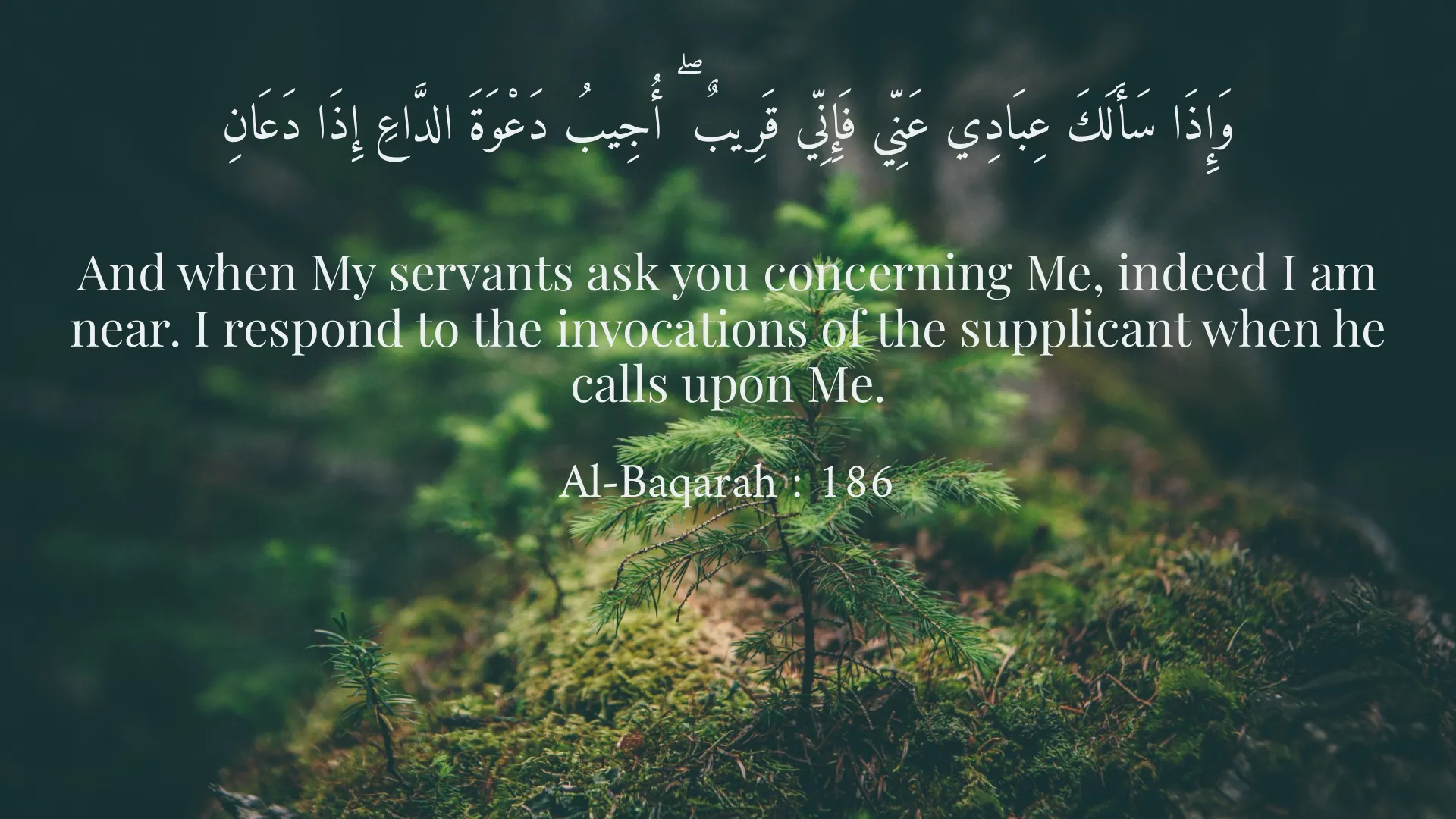
In the Holy Quran, the concepts of closeness to God and worship are not only fundamental to a Muslim's faith but are also intricately woven into the fabric of Islamic teachings. Understanding both concepts is crucial for anyone seeking to deepen their relationship with the Divine. While they are interconnected, they also possess distinct characteristics that merit detailed exploration. Closeness to God, or 'Qurb' in Arabic, transcends mere rituals and obligations; it refers to the establishment of a deep, intimate relationship with the Creator. This relationship is characterized by profound love, unwavering respect, and trust in God. The Quran beautifully articulates this notion in Surah Al-Baqarah, verse 186, where Allah states, 'And when My servants ask you concerning Me, indeed I am near. I respond to the invocations of the supplicant when he calls upon Me.' (Al-Baqarah: 186). This verse serves as a profound reminder that Allah is always near to His servants, urging them to communicate with Him through prayer and supplication. It emphasizes that the Divine is not a distant entity but rather an ever-present source of guidance and support, waiting for His creation to reach out. Such closeness requires more than just transactional prayer or adherence to religious duties; it necessitates a heartfelt cultivation of one's relationship with God. It invites believers to engage in a dialogue of love and affection, relying on Him in times of need, and expressing gratitude in times of bounty. In doing so, one nurtures a bond that is deeply rooted in mutual respect and love, setting the foundation for a spiritual journey that is fulfilling and enriching. On the other hand, frequent worship, known as 'Ibadah', comprises the various practices and rituals that Muslims observe, which are designed to demonstrate obedience and submission to God's commandments. These practices include foundational acts such as prayer (Salah), fasting during the month of Ramadan (Sawm), giving alms (Zakat), and performing the pilgrimage (Hajj) to Mecca. Each of these practices holds significant value in Islam, serving as pillars that uphold the faith and provide structure to the Muslim's life. In Surah An-Nisa, verse 77, Allah emphasizes the importance of obedience and worship, which echoes the necessity of fulfilling one's religious duties to maintain a connection with Him. However, it's crucial to note that mere performance of these rituals does not guarantee closeness to God. Ritualistic worship can, at times, become mechanical, leading individuals to envelop themselves in the actions without truly understanding their significance. The real essence of worship lies not just in the quantity of rituals performed but in the quality and sincerity of the heart that performs them. In Islam, the aim of worship is not to fulfill a checklist of duties but to forge a sincere connection with God. One must approach worship with the mindset of humility and sincerity, seeking to connect and not merely to obey. This quality of worship is what differentiates a superficial performance from a heartfelt devotion that can lead to true proximity to God. Furthermore, the Quran repeatedly emphasizes that alongside these acts of worship, hearts must be directed towards God and His love. A critical aspect of being close to God involves cultivating qualities such as humility, gratitude, love, and trust. Believers are encouraged to be conscious of God in all aspects of their lives, which requires constant self-reflection and an earnest intention to seek His pleasure. For many, establishing this intimate relationship with God may not come easily. It often involves a journey of personal growth, where one must overcome barriers such as doubt, fear, and distractions of the material world. It is essential to navigate through these challenges with patience, continually seeking knowledge and improving one's character, whilst maintaining a focus on spiritual practices. One effective way to foster closeness to God is through meditation and contemplation. Taking time to reflect on the wonders of creation, the blessings of life, and the signs of God’s presence in our daily experiences can significantly enhance one’s spiritual awareness. This contemplation can lead to a deeper gratitude for God's creations and a stronger connection with the Creator. Moreover, being in the company of the righteous can also aid in nurturing this closeness. Engaging in discussions about faith, listening to spiritual teachings, or participating in community services can strengthen one’s resolve and motivate individuals to pursue a more profound relationship with God. Additionally, repentance plays an integral role in seeking closeness to God. Acknowledging one's shortcomings and earnestly seeking forgiveness can cleanse the heart and restore the bond between the believer and the Divine. Allah’s mercy is limitless, and His willingness to forgive is profound, as He states in Surah Al-Zumar, verse 53: 'O My servants who have believed, do not despair of the mercy of Allah. Indeed, Allah forgives all sins.' This verse serves as a reminder that no matter one's distance from God, sincere repentance can bridge that gap and bring a person back into the light of His mercy and grace. Ultimately, true and heartfelt proximity to God can only be achieved through a consistent focus on the depth of one’s relationship with Him, rather than just the quantity of religious activities performed. A vibrant spiritual life is built on the core principles of love, humility, sincerity, and the pursuit of knowledge. In conclusion, while worship serves as an essential tool in a believer's journey towards closeness to God, it is the essence of love, sincerity, and heartfelt connection that ultimately defines that proximity. The Holy Quran underscores the importance of establishing a loving relationship with Almighty God, one that transcends mere rituals, inviting individuals to cultivate a friendship that sustains through all of life’s experiences. Only through this genuine bond, reinforced by acts of worship performed with sincerity and love, can one truly say they are close to God.
Related Verses
وَإِذَا سَأَلَكَ عِبَادِي عَنِّي فَإِنِّي قَرِيبٌ ۖ أُجِيبُ دَعْوَةَ الدَّاعِ إِذَا دَعَانِ
And when My servants ask you concerning Me, indeed I am near. I respond to the invocations of the supplicant when he calls upon Me.
Al-Baqarah : 186
أَلَمْ تَرَ إِلَى الَّذِينَ قِيلَ لَهُمُ كُفُّوا أَيْدِيَكُمْ وَأَقِيمُوا الصَّلَاةَ وَآتُوا الزَّكَاةَ ۚ فَلَمَّا كَتُبَ عَلَيْهِمُ الْقِتَالُ إِذَا فَرَيقٌ مِّنْهُمْ يَخْشَوْنَ النَّاسَ كَخَشْيَةِ اللَّهِ أَوْ أَشَدَّ خَشْيَةً ۚ وَقَالُوا رَبَّنَا لِمَ كَتَبْتَ عَلَيْنَا الْقِتَالَ ۚ لَوْلَا أَخَّرْتَنَا إِلَى أَجَلٍۢ قَرِيبٍۢ ۚ قُلْ مَتَاعُ الدُّنْيَا قَلِيلٌ ۖ وَالْآخِرَةُ خَيْرٌ لِّمَنِ اتَّقَىٰ ۖ وَلَا تُظْلَمُونَ فَتِيلًا
Did you not see those whom it was said, 'Prevent your hands [from fighting] and establish prayer and give zakah.' But when fight was decreed upon them, a party of them feared the people as they should have feared Allah or with greater fear.
An-Nisa : 77
Short Story
One day, Adel was pondering about his life and wondered what mattered most to him. He recalled the verses of the Quran and realized that recognizing life's priorities was essential. He then decided to focus more on establishing a connection with God while also devoting kindness to his parents. After some time, Adel noticed that his life had changed, and he felt a greater sense of peace.