Quranic Answer
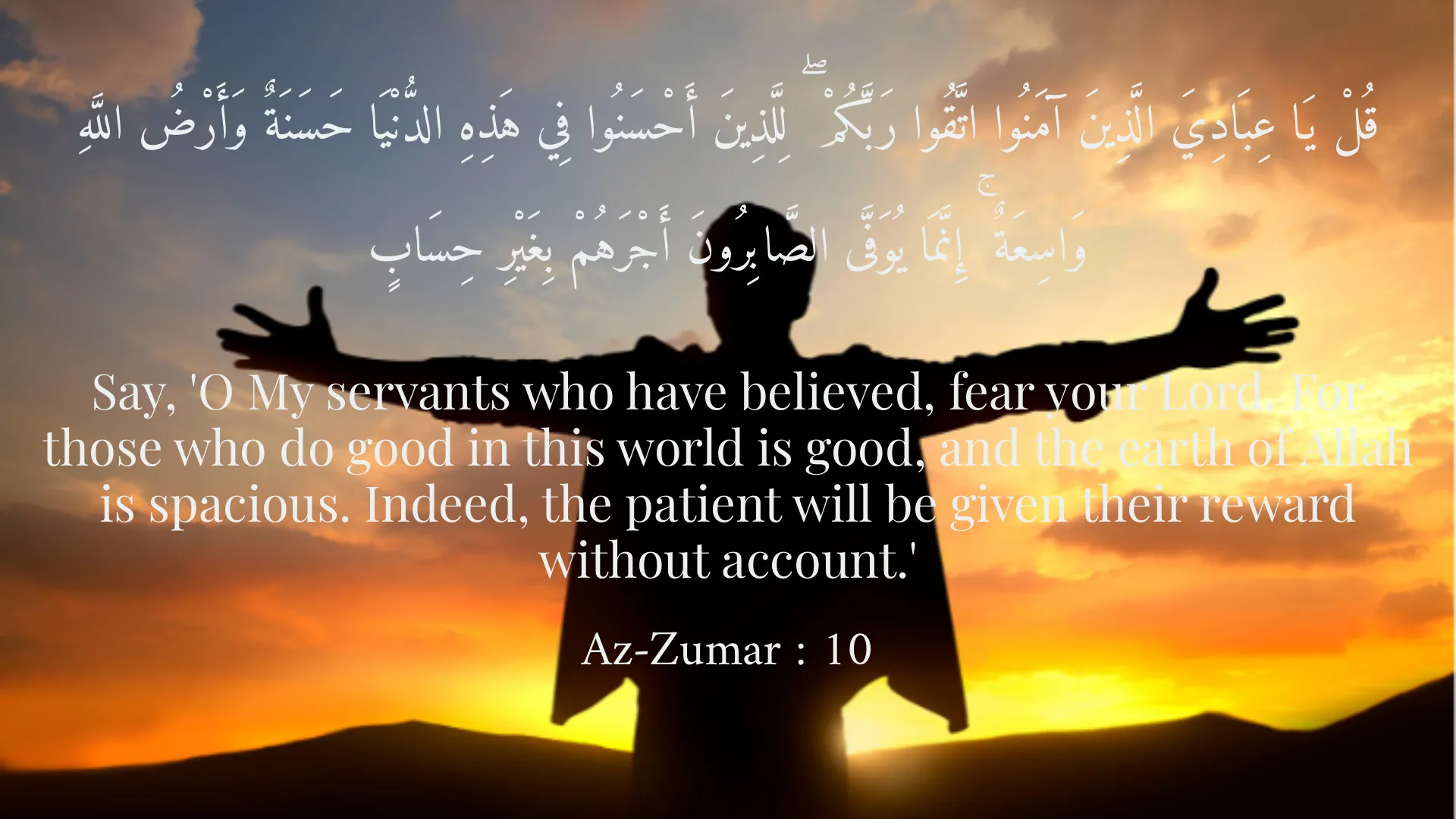
The essence of human life is deeply intertwined with spiritual matters and values, which are prominently highlighted in the Holy Quran. From the early verses of the Quran to its concluding chapters, the themes of spirituality, morality, and ethical living resonate deeply. The Quran serves not only as a religious text but also as a comprehensive guide to leading a meaningful and fulfilling life rooted in divine principles. One of the most significant aspects emphasized in the Quran is the attention towards God and fulfilling religious duties. This underscores the primary role that faith and spirituality play in the human experience. In Surah Az-Zumar, verse 10, Allah states: 'Say, 'O My servants who have believed, fear your Lord. For those who do good in this world is good, and the earth of Allah is spacious. Indeed, the patient will be given their reward without account.' This verse signifies that the foremost and most vital value in life is faith and piety towards God. The call to fear the Lord denotes a sense of accountability and awareness of the greater purpose behind human existence. It emphasizes the importance of engaging in righteous actions and maintaining an unwavering belief in God's greatness. The concept of patience is also of paramount importance in this verse. In a world where individuals are often challenged by trials and tribulations, the Quran reassures believers that those who remain steadfast and show resilience will receive their rewards without reckoning. This divine promise serves as an inspiration for individuals to cultivate patience and trust in God's plan, thus enabling them to face difficulties with a positive outlook. Furthermore, the Quran stresses the importance of human relationships and being kind to one another. In Surah An-Nisa, verse 36, Allah commands: 'And worship Allah and associate nothing with Him, and to parents, do good, and to relatives, orphans, the needy, the near neighbor, the neighbor further away, the companion at your side, and those whom your right hands possess.' This profound verse encompasses the core essence of social responsibility, compassion, and mutual respect that should characterize human interactions. By encouraging individuals to extend kindness to parents, relatives, strangers, and even those in need, the Quran illustrates that social relationships are fundamental to a fulfilling life. It places great importance on honoring family bonds and recognizing the significance of community. In doing so, it invites believers to cultivate empathy and compassion toward one another, fostering a supportive environment conducive to personal and collective growth. The Quran's teachings urge individuals to contribute positively to their communities and to reflect on their relationships with others. When the Quran emphasizes kindness and good deeds, it recognizes that human connection is a critical aspect of the human experience. During times of hardship or distress, it is often the bonds we share with others that provide solace and strength. Encouragingly, the Quran emphasizes that it is through our interactions with one another that we can exemplify true spiritual teachings in our everyday lives. Ultimately, the Quran encourages individuals to assist others through their deeds and enjoy life. Surah Al-Baqarah, verse 177, emphasizes that goodness is not merely in worship and humility but also in giving of one’s wealth and helping those in need. This revelation extends the definition of righteousness beyond personal devotion and highlights the importance of generosity and social justice. In this light, the Quran inspires believers to consider their wealth and resources as tools for the betterment of society, thereby reinforcing the idea that spiritual fulfillment is closely tied to acts of charity and altruism. In a world that often prioritizes individualism and material success, the Quran presents a counter-narrative that champions the values of faith, compassion, and community engagement. It encourages believers to reflect on their responsibilities to help those in dire situations and emphasizes that contributing positively to society is an essential aspect of a fulfilling life. This call to action demonstrates that true spirituality is not merely confined to self-reflection and private worship; rather, it urges individuals to actively seek to uplift those around them and engage in acts of kindness. Thus, it can be summarized that faith in God, nurturing good relationships with others, and acknowledging human values are the critical components that we should prioritize in life. The teachings of the Quran serve as a guide for individuals striving to balance their spiritual obligations with their social duties. In conclusion, the Quran cultivates a holistic approach to human existence, intertwining the relationship between spirituality and ethics. It inspires believers to rise above their individual struggles and contribute to a greater purpose while nurturing their connections with others. The teachings of faith, compassion, and community transcend time and provide timeless guidance for current and future generations, enabling them to lead lives that are rich in purpose and meaning. As we reflect on our lives and interactions with those around us, let us take heed of these divine principles that encourage us to live with faith, serve with kindness, and cultivate relationships grounded in love and respect. The essence of human life, as illuminated through the Quran, challenges us to not only aspire for personal greatness but also to uplift humanity as a whole.
Related Verses
قُلْ يَا عِبَادِيَ الَّذِينَ آمَنُوا اتَّقُوا رَبَّكُمْ ۖ لِلَّذِينَ أَحْسَنُوا فِي هَذِهِ الدُّنْيَا حَسَنَةٌ وَأَرْضُ اللَّهِ وَاسِعَةٌ ۚ إِنَّمَا يُوَفَّى الصَّابِرُونَ أَجْرَهُمْ بِغَيْرِ حِسَابٍ
Say, 'O My servants who have believed, fear your Lord. For those who do good in this world is good, and the earth of Allah is spacious. Indeed, the patient will be given their reward without account.'
Az-Zumar : 10
وَاعْبُدُوا اللَّهَ وَلَا تُشْرِكُوا بِهِ شَيْئًا وَبِالْوَالِدَيْنِ إِحْسَانًا وَإِلَى الْأَقْرَبِينَ وَالْيَتَامَى وَالْمَسَاكِينِ وَالْجَارِ الْقُرْبَى وَالْجَارِ الْجُنُبِ وَالْصَّاحِبِ بِالْجَانِبِ وَابْنِ السَّبِيلِ وَمَا مَلَكَتْ أَيمَانُكُمْ
And worship Allah and associate nothing with Him, and to parents, do good, and to relatives, orphans, the needy, the near neighbor, the neighbor further away, the companion at your side, and those whom your right hands possess.
An-Nisa : 36
لَّيْسَ الْبِرَّ أَن تُوَلُّوا وُجُوهَكُمْ قِبَلَ الْمَشْرِقِ وَالْمَغْرِبِ وَلَكِنَّ الْبِرَّ مَن آمَنَ بِاللَّهِ وَالْيَوْمِ الْآخِرِ وَالْمَلَائِكَةِ وَالْكِتَابِ وَالنَّبِيِّينَ وَآتَى الْمَالَ عَلَى حُبِّهِ ذَوِي الْقُرْبَى وَالْيَتَامَى وَالْمَسَاكِينِ وَابْنِ السَّبِيلِ وَالسَّائِلِينَ وَفِي الرِّقَابِ وَأَقَامَ الصَّلَاةَ وَآتَى الزَّكَاةَ وَالْمُوفُونَ بِعَهْدِهِمْ إِذَا عَاهَدُوا وَالصَّابِرِينَ فِي الْبَأْسَاءِ وَالضَّرَّاءَ وَحِينَ الْبَأْسِ أُوْلَـئِكَ الَّذِينَ صَدَقُوا وَأُوْلَـئِكَ هُمُ الْمُتَّقُونَ
Righteousness is not that you turn your faces toward the east or the west, but [true] righteousness is in one who believes in Allah, the Last Day, the Angels, the Book, and the Prophets and gives his wealth, in spite of his love for it, to relatives, orphans, the needy, the traveler, those who ask [for help], and for freeing slaves; and [who] establishes prayer and gives zakah; [those who fulfill their promise when they promise] and [those who are patient in poverty and hardship and during battle]. Those are the ones who have been true, and it is those who are the righteous.
Al-Baqarah : 177
Short Story
One day, Adel was reflecting on the meanings of life and what truly holds value. He remembered the verses of the Quran and how they emphasize faith and love towards others. He thought it was essential to show kindness to his parents and his close ones. Over time, he continued his life with a deeper sense of peace, realizing that true values lay within love and human connections.