Quranic Answer
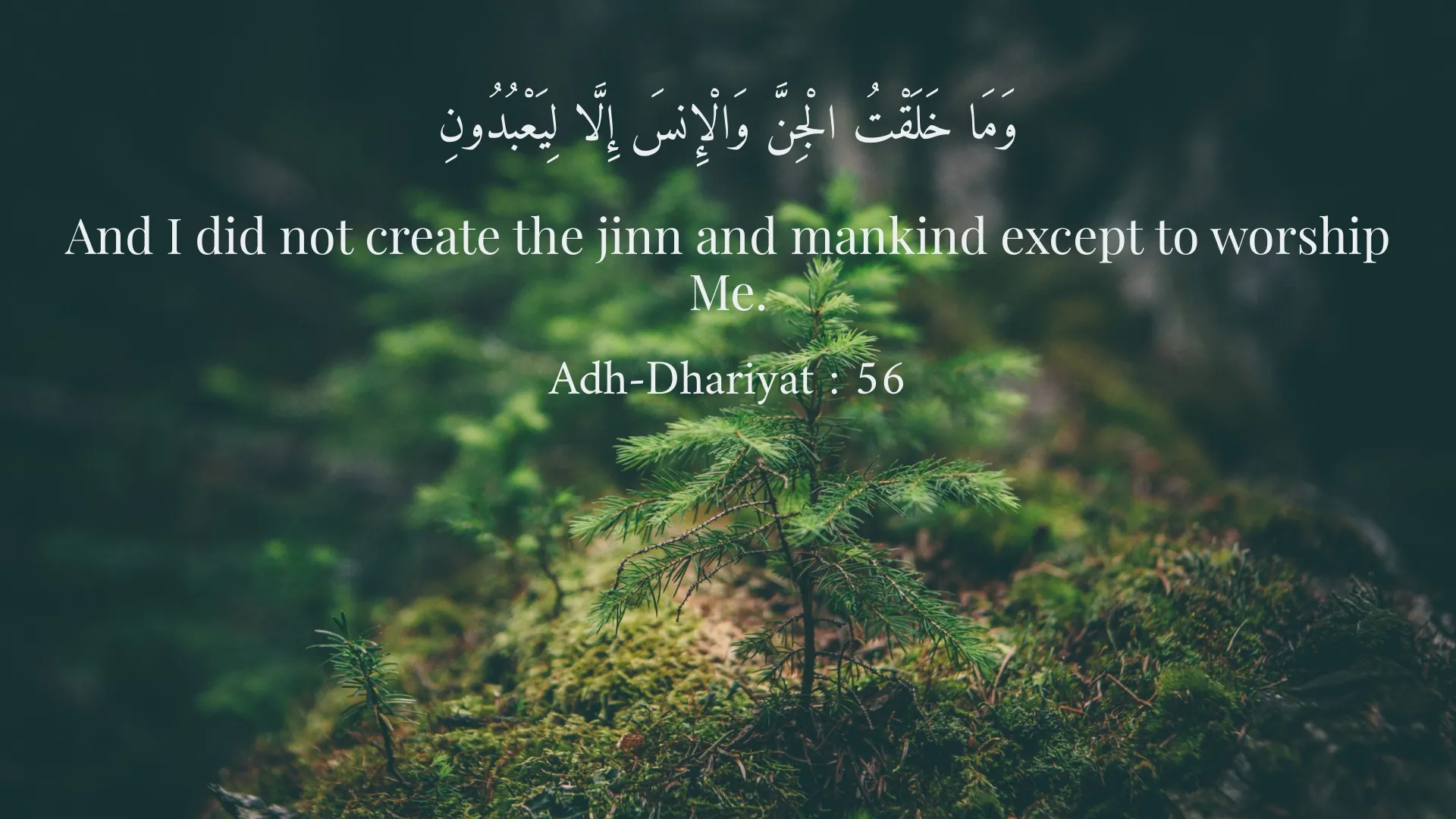
The question you have posed is profound and touches upon the very core of our understanding of Allah (God) and the purpose of creation. Comprehending why the Absolutely Self-Sufficient God created humanity and expects worship is one of the most crucial theological discussions in Islam, a topic beautifully addressed in the Holy Quran. Let us explore this subject from the perspective of divine revelation. The first and foremost principle we must acknowledge is Allah's attribute of being “Al-Ghani,” the Absolutely Self-Sufficient, the Independent, and the Perfect. Allah is in no need of any of His creations; His existence is eternal, everlasting, and entirely self-sustaining. Everything in the heavens and on earth is ultimately dependent on Him. The Quran explicitly states in Surah Fatir, verse 15: "O mankind, you are those in need of Allah, while Allah is the Free of need, the Praiseworthy." This verse clearly establishes that all need emanates from the creation, while the Creator is utterly devoid of any need. He does not need our worship, our obedience, or even our existence. If all humanity were to disbelieve, it would not diminish His grandeur in the slightest, and if all were to believe, it would add nothing to His magnificence. This absolute self-sufficiency is the foundation for understanding the purpose of creation and worship. Given this absolute self-sufficiency, why then did Allah embark on creation, and why does He require worship from humanity? The answer lies in the fact that creation is a manifestation of Allah’s Names and Attributes. Allah is Absolute Perfection, and one of His perfections is the attribute of being the "Creator" (Al-Khaliq) and "Sustainer" (Ar-Rabb). Out of His boundless grace and infinite mercy, and not out of any need, He brought the universe into existence to manifest His greatness, wisdom, power, and beauty. Creation is an act of divine beneficence and love from the Almighty. Just as a great artist creates a masterpiece to showcase their perfection, not because they need it, Allah brought existence into being out of His own perfection. Regarding the expectation of worship from humans, a crucial point must be understood: worship is not Allah’s need, but rather humanity’s own need. The Holy Quran states in Surah Adh-Dhariyat, verse 56: "And I did not create the jinn and mankind except to worship Me." This verse declares worship as the primary purpose of human creation. But what does this worship entail? In Islam, worship (ibadah) extends far beyond mere ritualistic acts like prayer and fasting. It encompasses knowing and acknowledging Allah, submitting to His will, and aligning one's entire life with His pleasure. This includes all aspects of life: from individual and social ethics and conduct to striving for justice, serving creation, seeking knowledge, and respecting the rights of others. Every righteous deed performed with a sincere intention for Allah's sake is a form of worship. So, what benefits does this worship bring to humanity? 1. Spiritual Growth and Perfection: Worship is the path for humans to achieve their true perfection. Through worship, the human soul is purified, the ego (nafs al-ammarah) is disciplined, and humanity draws closer to divine attributes. Just as exercise benefits the body, worship is essential for the human spirit. 2. True Peace and Happiness: Humanity is inherently driven to seek true peace and happiness. This peace and happiness can only be attained through connection with the infinite source of tranquility and power, which is Allah. "Verily, in the remembrance of Allah do hearts find rest" (Surah Ar-Ra'd, verse 28). Worship and servitude strengthen this remembrance and connection. 3. Distinguishing Right from Wrong: Worldly life is a stage of trial and tribulation. Allah created humans with free will and intellect to discern right from wrong and choose the correct path. Worship and submission to Allah serve as a compass, guiding humanity through these trials and protecting them from straying. 4. Gratitude and Recognition of Blessings: Worship is a form of gratitude for Allah's countless blessings. When a person realizes Allah's greatness and benevolence, their nature compels them towards gratitude and thanksgiving. This gratitude, in turn, benefits the person, leading to an increase in blessings and inner contentment. "If you are grateful, I will surely increase you [in favor]" (Surah Ibrahim, verse 7). 5. Order and Balance in Life: Islamic acts of worship, such as the five daily prayers, fasting, zakat, and Hajj, each bring a unique order and balance to individual and collective life. These structures save humanity from being engulfed by materialism and forgetting the ultimate purpose of life. 6. Demonstration of Free Will and Responsibility: The creation of humanity with free will gives them the opportunity to choose: whether to obey their Creator and move towards perfection, or to choose rebellion and heedlessness. This choice is the basis of human accountability for their actions and lays the foundation for reward and punishment in the hereafter. Allah grants humans the opportunity to prove their worthiness, through their choices, to attain the highest ranks of closeness to Him. Therefore, Allah created us and asked for our worship, not because He needs us, but because He wants us to achieve true perfection, happiness, and peace. Worship is a ladder that elevates humans towards the divine presence, leading to their growth and exaltation. It is a divine gift, an opportunity for humans to unleash their infinite potential and embody their role as "Khalifah" (vicegerent of Allah on earth). The ultimate goal is to shape a human being who walks the path of perfection and knowledge, and who establishes justice and wisdom in the world. Consequently, every atom of our servitude is a benefit that returns to us, and every act of disobedience is a harm that befalls us. This is the infinite wisdom of the Almighty.
Related Verses
وَمَا خَلَقْتُ الْجِنَّ وَالْإِنسَ إِلَّا لِیَعْبُدُونِ
And I did not create the jinn and mankind except to worship Me.
Adh-Dhariyat : 56
یَا أَیُّهَا النَّاسُ أَنتُمُ الْفُقَرَاءُ إِلَى اللَّهِ وَاللَّهُ هُوَ الْغَنِیُّ الْحَمِیدُ
O mankind, you are those in need of Allah, while Allah is the Free of need, the Praiseworthy.
Fatir : 15
وَمَن یَشْکُرْ فَإِنَّمَا یَشْکُرُ لِنَفْسِهِ ۖ وَمَن کَفَرَ فَإِنَّ اللَّهَ غَنِیٌّ حَمِیدٌ
And whoever is grateful - his gratitude is only for [the benefit of] himself. And whoever is ungrateful - then indeed, Allah is Free of need and Praiseworthy.
Luqman : 12
Short Story
It is said that there was a king, possessed of boundless treasures, needing nothing from anyone in his realm. He sought neither tribute from his servants nor anything from his subjects. One day, he resolved to build a magnificent and captivating garden. He labored over it for years, adorning it with the finest fruits, fragrant flowers, and flowing springs. Then, he summoned his people and declared: "This garden is for you! Come, enjoy its beauty, partake of its fruits, and strive in its cultivation." He set simple rules for them: keep the paths clean, water the trees, and share the fruits equitably. The king, being self-sufficient, gained nothing from their work, yet he was delighted to see his people thriving and joyful in this garden. Those who diligently followed his commands found great happiness, health, and abundance, growing stronger and more radiant. But those who neglected their duties, leaving the garden to wither or selfishly devouring its fruits, found themselves hungry, weak, and miserable, despite being amidst potential abundance. The king's purpose was not to enrich himself, but to provide a path for his people's well-being and to reveal the beauty of his creation.