Quranic Answer
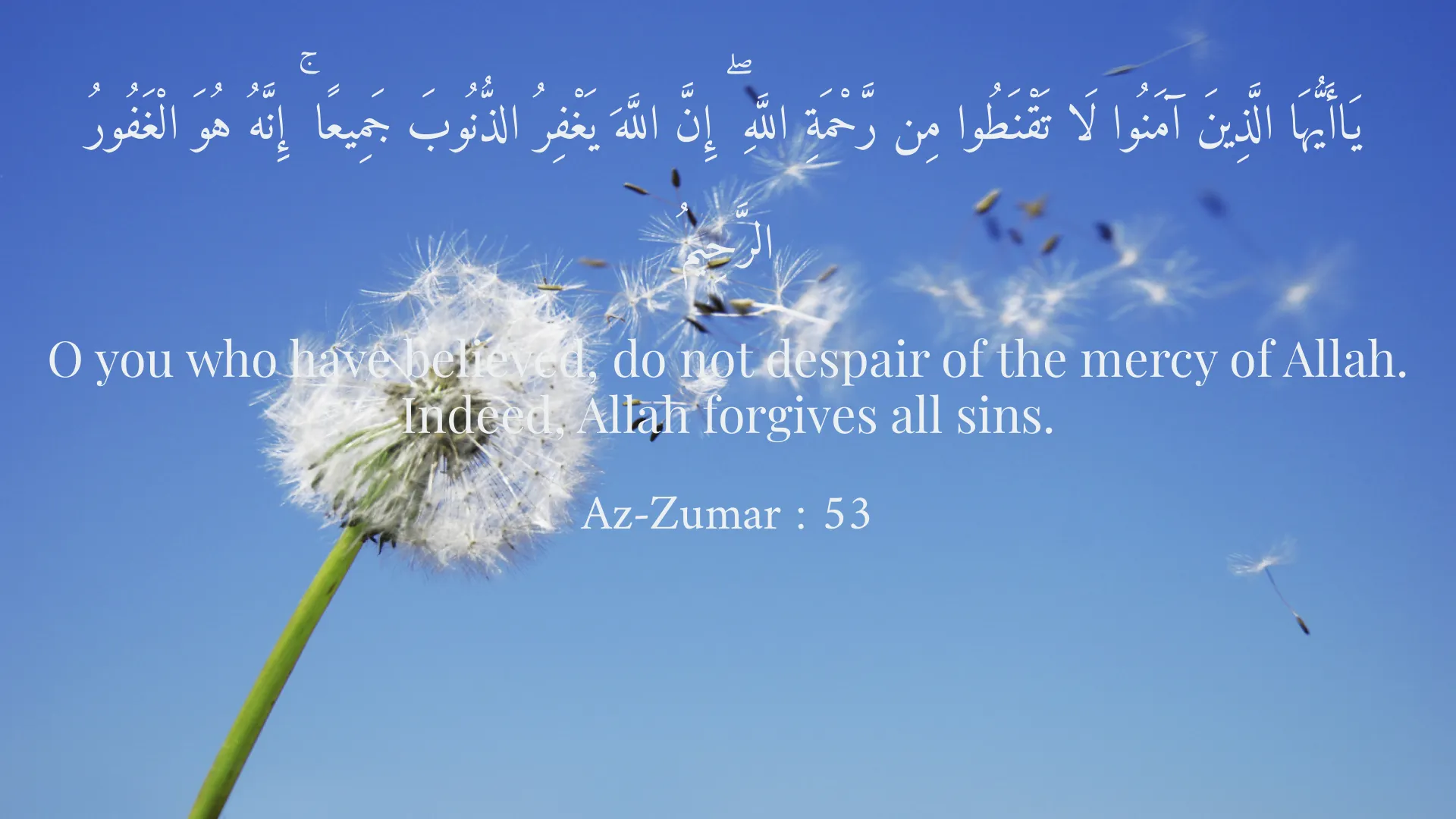
Feeling abandoned by God is a profound emotional state that many people experience at various points in their lives. This phenomenon often emerges from the stressors and despair we face amid life’s challenges, leaving us feeling isolated and cut off from divine support. Such feelings can be particularly poignant during moments of significant personal struggle, loss, or adversity, casting a shadow over our spiritual lives. During these tumultuous times, the words of the Holy Quran serve as a beacon of hope, reminding us not to succumb to despair. In Surah Az-Zumar, verse 53, Allah says, 'O My servants who have believed, do not despair of the mercy of Allah. Indeed, Allah forgives all sins.' This verse is a cornerstone of Islamic faith and a reminder of the boundless nature of God’s mercy. The essence of this verse invites reflection on the nature of abandoning hope. It reminds believers that feelings of abandonment often stem from a disconnection or overwhelming sense of helplessness, rather than an actual withdrawal of divine presence. Life can often feel oppressively heavy; we face challenges ranging from personal health crises to financial hardships, relational conflict, or spiritual questioning. However, it is during these very trials that we must not forget the promises made to us by Allah, which reassure us of His perpetual mercy and forgiveness. The Quran's assertion that Allah forgives all sins highlights that no transgression is so great that it cannot be absolved, particularly when approached with sincerity and repentance. This understanding provides solace to those wrestling with guilt or self-reproach, serving as an invitation to reconnect with God. Moreover, feelings of abandonment should be approached as opportunities—opportunities to reflect upon our spiritual states and recalibrate our relationship with Allah. In Surah Al-Baqarah, verse 286, Allah states, 'Allah does not burden a soul beyond that it can bear.' This assurance emphasizes the belief that every challenge we encounter is within our capacity to handle, suggesting that all trials serve a dual purpose: they test our endurance, and they deepen our reliance on God. This perspective engenders resilience and courage; it implies that we are equipped with the tools necessary to overcome our difficulties, provided we seek them through prayer, patience, and trust in God’s wisdom. Additionally, the Quran reinforces the notion of divine companionship, even in our darkest hours. Surah Al-Anfal, verse 61, reminds us, 'And if you are greeted with a greeting, greet in return with what is better than it.' This profound verse speaks to the ethos of mutual respect and, importantly, the assurance that God engages with us in every aspect of our existence. It encourages believers to respond to life’s struggles with grace and kindness, reinforcing the belief that even when we feel isolated, God remains imminently near, encouraging us to maintain an intimate connection with Him. Conversely, spiritual abandonment can also serve as a call to action. It challenges us to seek deeper engagement with our faith practices, which can ultimately renew our sense of divine companionship. This engagement may take many forms: increased prayer, attunement to the Quran, acts of charity, or community involvement. Each of these actions can reignite a sense of purpose and belonging, reminding us that closeness to God can be actively cultivated rather than passively awaited. It is in these moments of seeking that we often find that our vulnerabilities lead us to a richer, more profound reliance on God’s mercy. It is essential to remember that the feeling of abandonment does not equate to the absence of God. Rather, it is a reminder for believers to renew their faith, adapt their practices, and fully lean into the very relationship they fear may be waning. Embracing these trials with the knowledge that they are tests of faith can transform the feeling of abandonment into an empowering experience of spiritual growth. Furthermore, the transient nature of our feelings plays a critical role in understanding spiritual abandonment. Emotions can shift rapidly based on our circumstances and mindset; thus, the feelings of disconnection can also be fleeting. Engaging in self-care, contemplation, and community can help alleviate these feelings, guiding us back to the realization of God’s enduring presence and mercy. In moments of struggle, it is vital to seek support from fellow believers or spiritual leaders who can offer companionship and insight, nurturing the essence of community that serves as a foundation in Islam. In summary, feeling abandoned by God is a multifaceted experience that speaks to the human condition, deeply intertwined with our challenges and existential reflections. The Holy Quran offers a abundant treasure of guidance and reassurance during moments of doubt and despair. Its verses invite believers to embrace hope, to find solace in the knowledge of God’s mercy, and to foster a deeper spiritual connection amidst life's trials. Ultimately, it is essential to transform feelings of abandonment into a renewed commitment to faith, allowing us not only to endure challenges but also to emerge from them with enriched perspectives and strengthened faith. By leaning into our struggles and seeking the presence of God, we can navigate the complexities of life's journey, always holding fast to the knowledge that we are never truly alone.
Related Verses
يَاأَيُّهَا الَّذِينَ آمَنُوا لَا تَقْنَطُوا مِن رَّحْمَةِ اللَّهِ ۖ إِنَّ اللَّهَ يَغْفِرُ الذُّنُوبَ جَمِيعًا ۚ إِنَّهُ هُوَ الْغَفُورُ الرَّحِيمُ
O you who have believed, do not despair of the mercy of Allah. Indeed, Allah forgives all sins.
Az-Zumar : 53
لَا يُكَلِّفُ اللَّهُ نَفْسًا إِلَّا وُسْعَهَا ۚ لَهَا مَا كَسَبَتْ وَعَلَيْهَا مَا اكْتَسَبَتْ ۗ رَبَّنَا لَا تُؤَاخِذْنَا إِن نَّسِينَا أَوْ أَخْطَأْنَا ۚ رَبَّنَا وَلَا تَحْمِلْ عَلَيْنَا إِصْرًۭا كَمَا حَمَلْتَهُ عَلَى الَّذِينَ مِن قَبْلِنَا ۚ رَبَّنَا وَلَا تُحَمِّلْنَا مَا لَا طَاقَةَ لَنَا بِهِۦ ۖ وَاعْفُ عَنَّا وَاغْفِرْ لَنَا وَارْحَمْنَا ۚ أَنتَ مَوْلَانَا فَانصُرْنَا عَلَى الْقَوْمِ الْكَافِرِينَ
Allah does not burden a soul beyond that it can bear. It will have [the consequence of] what [good] it has gained, and it will bear [the consequence of] what it has earned.
Al-Baqarah : 286
وَإِن جَآءَكَ الَّذِينَ يُبَايِعُونَكَ فَقُلْ أَنَا۠ أُؤُولَـٰئِكَ ذَاهِبِينَ إِلَى فَلَانٍۢ يُقَالُ لَهُ شِيخًا دِهْبًا
And if you are greeted with a greeting, greet in return with what is better than it.
Al-Anfal : 61
Short Story
One day, a man felt a torment inside him and complained to God about feeling abandoned. He decided to visit a sacred place and pray there. At a special moment, he felt as if his words were being heard, and his heart calmed. He realized that God was always with him and that he needed to get closer to God to experience this peace.