Quranic Answer
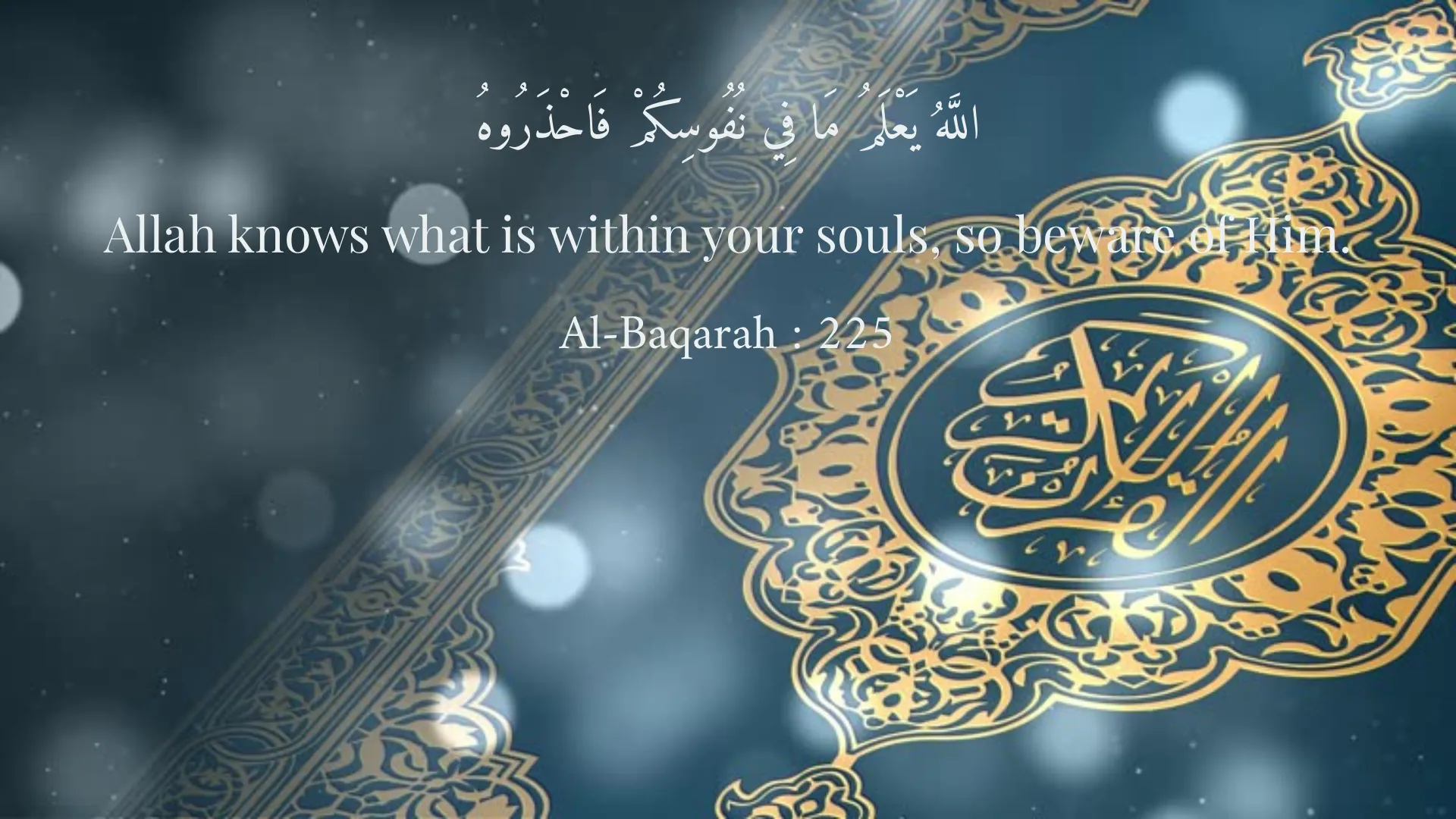
The significance of intention and sincerity in performing good deeds is a fundamental concept emphasized in the Holy Quran. Foundational to Islamic teaching, the notion that our intentions are critical to the acceptance and impact of our actions is not merely a theoretical principle; it is a guide for Muslims in their daily lives. In particular, Surah Al-Baqarah, verse 225, serves as a poignant reminder of this truth: "Allah knows what is within your souls, so beware of Him." This verse encapsulates the idea that God is all-knowing and that our inner motivations matter profoundly in shaping our actions and their results. When we explore the implications of this verse, it becomes clear that Allah's awareness of our intentions serves as both a warning and an encouragement. It warns us to be mindful of the purity of our motives in every act of kindness and service. If our intentions stem from selfish desires or a quest for recognition, even the most seemingly altruistic acts may end up lacking merit in the eyes of God. Hence, it is not enough to simply perform good deeds; one must engage in a constant reflective process to ensure that their reasons for doing good remain selfless and sincere. This examination of our intentions is arguably one of the most challenging tasks for any individual, as it forces us to confront our inner selves and question our motivations. Moreover, the Quran underscores that good deeds, when performed without pure intentions, may not yield the expected outcomes. This idea encourages Muslims to engage in acts of charity, love, kindness, and support for one another without expectation of reward or recognition. The willingness to do good should stem from compassion and a genuine desire to help others, reflecting the essence of Islamic belief wherein our actions should signify our faith and commitment to communal welfare. In tandem with this, Surah Al-Anfal, verse 53, further substantiates the role of community and individual righteousness in manifesting divine mercy: "And Allah would not punish them while you are among them." Here, Allah illustrates the profound impact that righteous individuals have within society. The presence of good individuals creates an atmosphere laden with compassion and empathy, providing a protective layer of divine mercy over the community as a whole. Such verses remind believers that while the immediate effects of our deeds might not always be visible, they contribute to a collective good that ripples through time. This perspective on good deeds necessitates a broader understanding of Allah's justice and mercy. Often, we may perform acts of goodness and, upon not witnessing their anticipated effects, become disheartened or discouraged. However, the Quran invites us to realize that every action is part of a grand divine tapestry. Just because an action does not bear visible fruit today does not mean it is in vain. Good deeds may manifest their rewards in ways that are not immediately apparent, perhaps influencing future generations or health of our communities. This idea fosters a sense of hope and persistence among believers, reassuring them that their efforts do not go unnoticed in the eyes of their Creator. It's also worth considering the influence of societal and environmental factors on the reception and effectiveness of good deeds. Many noble efforts may go unrecognized or seem unappreciated at moments due to the cultural or social background from which they originate. Sometimes, people may remain indifferent or resistant to positive changes or charitable efforts, making it appear that such actions have little to no impact. In these situations, faith becomes pivotal; belief in the significance of actions must remain steadfast, regardless of present challenges. The true measure of our good deeds might not always align with immediate societal or environmental constraints. Thus, it is crucial for us to focus on our intentions and the sincerity of our actions while remaining persistent in our endeavor to do good. This persistence, combined with a deeper understanding of our motivations, not only refines our character but also fortifies the communities we strive to serve. In this manner, our individual actions contribute to a collective sense of purpose and alignment with divine values. As Muslims, understanding the connection between intention, sincerity, and community is fundamental. Our faith teaches us to perpetuate good, irrespective of the immediate outcomes. We should remind ourselves of the importance of our intentions, ensure they remain pure and altruistic, and acknowledge the role of collective righteousness in invoking divine mercy. Even when immediate results seem to elude us, believing in the long-term impacts of our good deeds empowers us to continue our journey of service and contribution. Thus, living with a clear conscience and unwavering faith allows us to positively impact our lives and the lives of those around us, embodying the teachings of Islam in both our private and public lives.
Related Verses
اللَّهُ يَعْلَمُ مَا فِي نُفُوسِكُمْ فَاحْذَرُوهُ
Allah knows what is within your souls, so beware of Him.
Al-Baqarah : 225
وَ مَا كَانَ اللَّهُ لِيُعَذِّبَهُمْ وَأَنْتَ فِيهِمْ
And Allah would not punish them while you are among them.
Al-Anfal : 53
Short Story
One day, Alireza felt unsure about his actions and wondered if his good deeds had any impact. He recalled his faith and the verses of the Quran, deciding to purify his intentions and focus on good actions. Over time, he noticed changes in his life, feeling a greater sense of peace. Every day, he approached charitable work with a sincere intention and was grateful for what Allah had provided.