Quranic Answer
In the world today, faith and spirituality play a significant role in guiding individuals through the myriad challenges of life. However, despite the comforting presence of religious beliefs, various factors can lead some individuals to develop an aversion to faith. The Holy Quran presents several insights regarding these reasons, reflecting the complexities of human nature and the world around us. One major aspect that can divert individuals from the path of faith is the trials and tribulations of life. The Quran directly addresses this concern in Surah Al-Imran, verse 186: "Indeed, We will test you with your wealth and your lives. And give good tidings to the patient." This verse emphasizes that challenges are an inherent part of the human experience and pose significant tests to one's faith. During moments of hardship—be it through financial struggles, loss of loved ones, or various life crises—individuals may find their faith waning. Such tests can create doubts, and if not addressed, may lead to a gradual distancing from faith. In these situations, patience is highlighted as a virtue, serving as a reminder that enduring challenges can ultimately strengthen one's relationship with God. In addition to life’s trials, the Quran brings attention to the social dynamics that impact faith. As stated in Surah Al-Ma'idah, verse 54: "O you who have believed, whoever of you should revert from his religion - Allah will bring forth for the people He will love and who will love Him..." This verse implies that faith can be situational and may depend on the surrounding environment. Turning away from faith may not only signify personal struggles but can also signal a lack of connection with the divine. The pressures of societal expectations, peer influences, and cultural norms all play crucial roles in shaping one’s beliefs. For individuals raised in anti-religious or negative environments, the journey to accepting faith can become more complicated. Heavy social influence often leads individuals to resist religious teachings or affiliations, even if they resonate with them personally. The weaknesses of one’s faith can also stem from attachment to worldly matters. In our modern society, where materialism often takes precedence, the allure of possessions, wealth, and status can overshadow spiritual pursuits. Individuals may become more focused on tangible rewards rather than the intangible benefits of faith, such as peace of mind and spiritual fulfillment. The Holy Quran warns against this misplacement of priorities and inspires believers to cultivate a healthy balance between their spiritual and material lives. One can see the interconnection of individual, social, and cultural factors that precipitate aversion to faith. Personal experiences, such as familial upbringing and educational settings, can shape one’s perceptions and beliefs significantly. For instance, a person growing up in a faith-promoting environment often witnesses the positive impacts of spirituality, such as community support, moral guidance, and emotional resilience. Conversely, individuals raised in neglectful or skeptical households might develop misgivings about faith, questioning its relevance and benefits. Moreover, negativity surrounding religion can manifest through various channels, including media portrayals, scholarly critiques, or social conversations. This exposure can inadvertently instill doubt or skepticism towards religious teachings and practices. The portrayal of faith in media often leans towards sensationalism, emphasizing negative narratives that overshadow the positive contributions of spirituality to individual and societal wellbeing. Such depictions can foster an aversion to faith, particularly among impressionable youth who seek affirmation of their beliefs. Cultural pressures also pose a significant challenge. In increasingly pluralistic societies, individuals may feel pressure to conform to the dominant cultural narratives that minimize or dismiss the importance of religion. The fear of judgment or discrimination can perpetuate a reluctance to express one’s faith openly. As individuals grapple with their beliefs amidst a contrasting cultural backdrop, there is a notable risk of disengagement from their spiritual roots. It is at this intersection of individual struggles, social influences, and cultural contexts that the aversion to faith takes shape. The Quran provides guidance for those navigating these complexities, urging believers to maintain resilience against life's challenges and remain steadfast in their faith. The verses not only recognize the inherent difficulties in one's spiritual journey but also encapsulate the essence of divine support for those who remain patient and committed. Ultimately, the journey towards faith is deeply personal and influenced by a plethora of internal and external factors. It is critical for individuals to engage in self-reflection, critically analyze the influences shaping their beliefs, and seek community in faith. Emphasizing the nurturing potential of religious communities can aid individuals in overcoming aversions to faith. Communities can provide emotional support, intellectual discourse, and a safe space for questioning—facilitating a more profound connection with one's beliefs. In conclusion, while the Quran elucidates several reasons that contribute to an aversion to faith, it also guides believers towards understanding and resilience. Both personal trials and external influences can divert individuals from the path of faith. However, with patience and a supportive community, believers can navigate the complexities surrounding faith, reflecting the enduring power that spiritual beliefs can hold in the face of life’s challenges. Ultimately, understanding and addressing the causes of aversion to faith can pave the way for a more profound engagement with spirituality, encouraging individuals to embrace the rich teachings of their religious traditions.
Related Verses
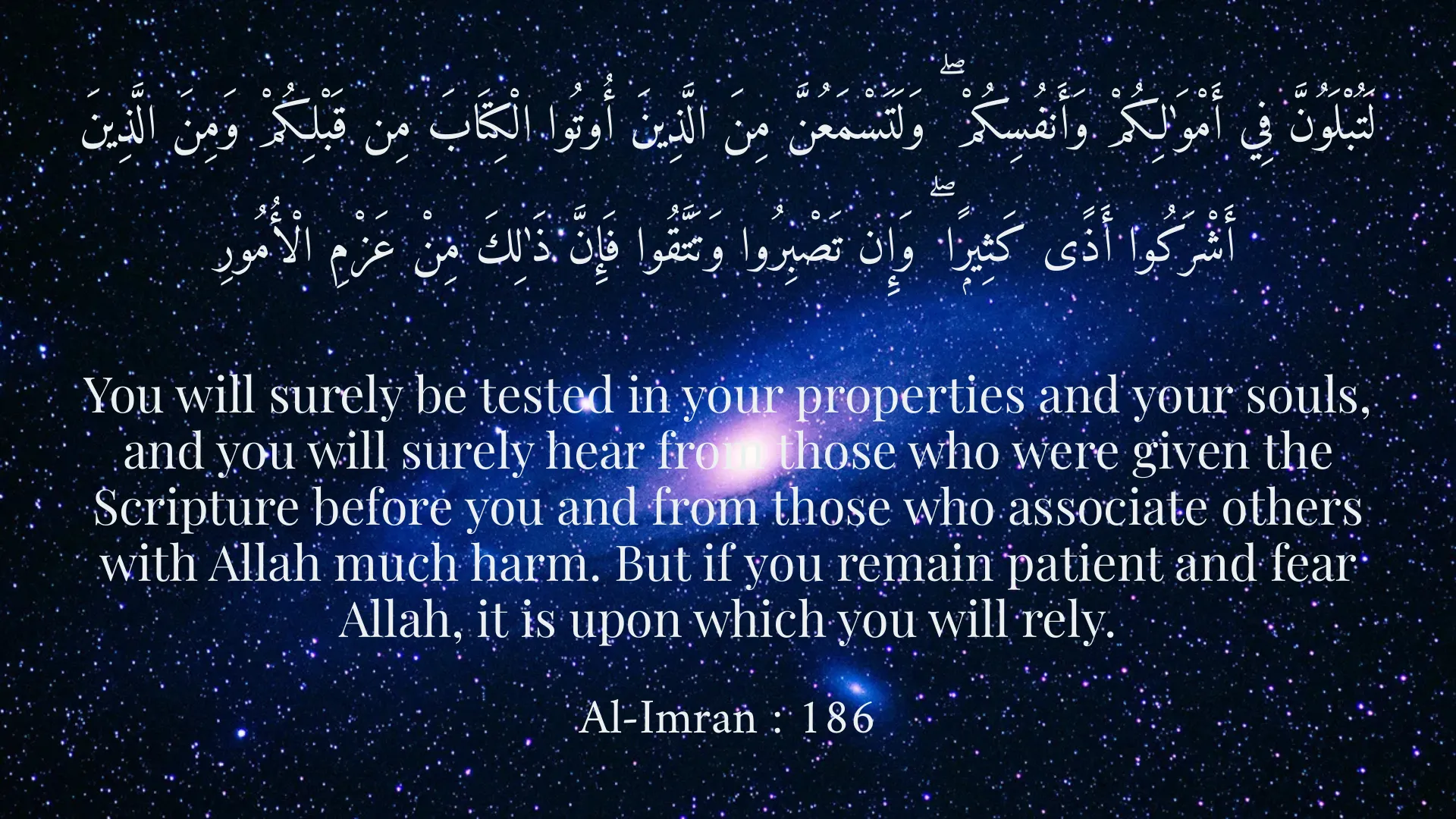
لَتُبْلَوُنَّ فِي أَمْوَٰلِكُمْ وَأَنفُسِكُمْ ۖ وَلَتَسْمَعُنَّ مِنَ الَّذِينَ أُوتُوا الْكِتَابَ مِن قَبْلِكُمْ وَمِنَ الَّذِينَ أَشْرَكُوا أَذًى كَثِيرًۭا ۖ وَإِن تَصْبِرُوا وَتَتَّقُوا فَإِنَّ ذَٰلِكَ مِنْ عَزْمِ الْأُمُورِ
You will surely be tested in your properties and your souls, and you will surely hear from those who were given the Scripture before you and from those who associate others with Allah much harm. But if you remain patient and fear Allah, it is upon which you will rely.
Al-Imran : 186
يَا أَيُّهَا الَّذِينَ آمَنُوا مَن يَرْتَدَّ مِنكُمْ عَنْ دِينِهِ فَسَوْفَ يَأْتِ اللَّهُ بِقَوْمٍ يُحِبُّهُمْ وَيُحِبُّونَهُ أَذِلَّةٍ عَلَى الْمُؤْمِنِينَ أَعِزَّةٍ عَلَى الْكَافِرِينَ يُجَاهِدُونَ فِي سَبِيلِ اللَّهِ وَلَا يَخَافُونَ لَوْمَةَ لائمٍ ۚ ذَٰلِكَ فَضْلُ اللَّهِ يُؤْتِيهِ مَن يَشَاءُ ۗ وَاللَّهُ وَاسِعٌ عَلِيمٌ
O you who have believed, whoever of you should revert from his religion - Allah will bring forth for the people He will love and who will love Him...
Al-Ma'idah : 54
Short Story
One day, there was a man named Hamid who faced many challenges in life. He had distanced himself from faith and was filled with doubt. However, one day, while walking home, he found the Quran and read its verses, realizing that hardships are part of Allah's tests. By returning to faith and striving to draw closer to God, Hamid felt greater peace and was able to overcome his challenges.